Understand the work before building the business
A professional organizer does more than arrange shelves. Far more. One project might be sorting and categorizing a garage; another is space planning, donation coordination, storage decisions, and building a routine somebody can keep after you leave. And through all of it the organizer has to guide decisions without quietly taking them over, which is a harder skill than any labelling system and the one clients notice most.
The physical and emotional demands
The work is physical. It is also emotionally demanding in ways the photographs never show. You will stand for hours, lift manageable boxes, wedge yourself into a storage cupboard built for brooms, and keep a steady voice while somebody who feels overwhelmed decides what to do with a bag of their father's letters, and none of that effort is visible in a photograph of the finished cupboard. Clear boundaries matter. So does a calm, respectful manner, easily as much as an eye for tidy spaces.
Build experience with small, defined projects
Take one room, or one category, which is often easier: every coat in the house, or all the cables in that one drawer everybody has. Small is fine. Write the intended outcome down before you start. Then track the clock on sorting, decision-making, purchasing, travel, storage setup, and follow-up, because a real record of where the hours went is the only thing that will make your next estimate honest.
Photos, permission, and what a portfolio explains
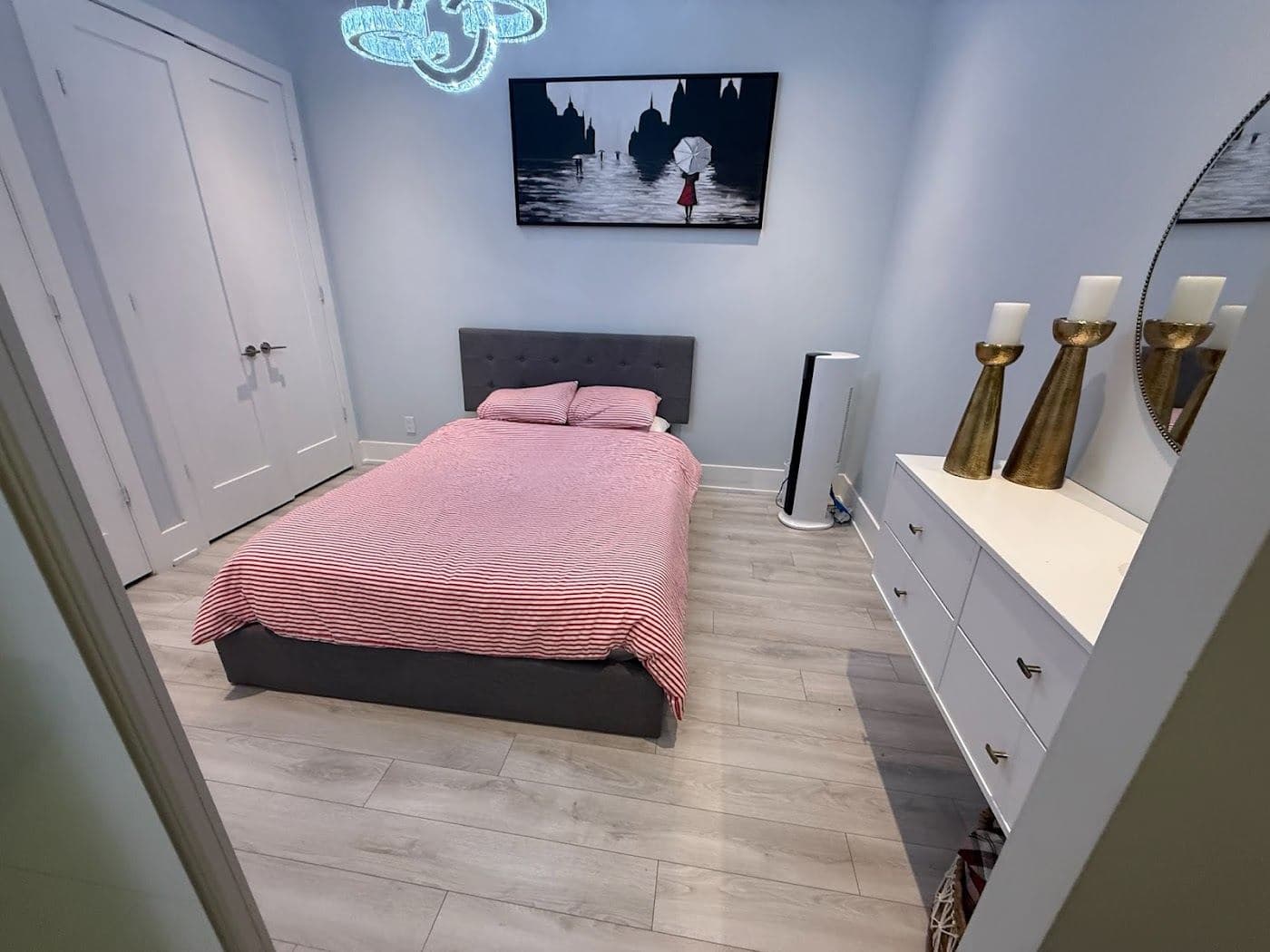
Before-and-after photos help, with clear permission and not before. A useful portfolio explains the problem, what was decided, and how the finished system supports the person living with it, because an image on its own says almost nothing. Anyone can stage a shelf.
Define the service and the client experience
Pick a lane before you print a card. Closets. Kitchens, home offices, moves, whole-home projects, or a deliberately broader mix. Then build an intake that asks about the space, how much is in it, access, timing, who decides, and whether purchasing or donation coordination sits inside the scope, because those answers are what separate a real quote from a guess dressed up in confident language.
What the written scope has to cover
Put the agreed scope in writing. Not a text message. Email is fine. Spell out what is included, how a change gets handled, who makes the keep-or-discard call, and what the client should do before you arrive, so that when the project shifts halfway through the second session, both of you have something to point at.
Price from the real scope
There is no single reliable rate or income timeline for a new organizer. None. Pricing moves with experience, project complexity, travel, supplies, local demand, and the amount of work finished outside the client session, which is the line most beginners leave out and then quietly absorb. Compare providers offering similar work. Locally, not nationally. Then make your model easy to read in one pass.
Check the estimate against the actual time
Review estimated against actual time after every project. Every one. That habit is how a new organizer learns to quote accurately, without leaning on industry averages nobody can support, and it is the only feedback loop available to somebody with no history to draw on.
Verify current business requirements
Rules change. They always have. Business registration, taxes, insurance, disposal, local licensing, and privacy questions can all shift, and several of them depend on how the business itself is structured. Check the current requirements with official Ontario, federal, and municipal sources, then use qualified professional advice whenever a decision touches your legal or financial obligations.
Choose a steady next step
A useful first goal is not a particular income number. It is a repeatable process. Clear intake, realistic scope, respectful client support, and a finished system the household can maintain without you. Build it on small projects, and keep building it there until nothing surprises you, because a large home or a complex move will find every soft spot in a process you have only run twice, usually somewhere around the second afternoon.
Assess your fit with the full working process
The finished shelf is the smallest part of organizing. A normal project means listening to two people want different things, sorting a mixed category that keeps growing, measuring storage, researching products, writing notes, and doing a decision over again because the first plan did not fit the room. Try it somewhere contained. Twice. Watch your patience, watch your knees and your back, and watch how you explain a choice when the client's taste is not yours, because that last one decides whether the system survives you.
Track the hours outside the room
Track preparation, travel, sourcing, and follow-up alongside the time you spend in the room. Both capacity and pricing depend on it. That record also tells you something about taste: short functional resets, ongoing household support, move-related projects, or the slower complexity of whole-home planning, and a clear preference here is useful. It points straight at the first service you should offer.
Create a useful consultation and first phase
Ask what the client wants to do more easily once the project is finished, because that answer beats a request to make the room look organized. Gather the rest: who uses the space, what is in it, the storage available, who decides, the deadline, access, stairs, pets, plus any limit on lifting or session length. Photographs help with planning. Up to a point. They will not reveal what is inside cupboards, boxes, or the storage room at the back.
Propose a first phase that can be finished
Propose a first phase that can actually be finished and reviewed. An entryway might cover coats, shoes, bags, daily mail, and nothing else until the closet beside it comes up later, while a kitchen might start with the pantry and everyday food storage, leaving small appliances and serving pieces for a second visit. Defined phases keep the estimate legible. They also leave the client with something usable between sessions.
Plan the session around client decisions
The organizer can set the categories. You can keep the sequence moving. Personal belongings still need the person who owns them, so agree in advance on whether the client must be present, how undecided items get handled, and who can approve a decision when three people share the room. A temporary review category protects momentum, provided you give it a hard limit and a planned time for the final decision, or it becomes a second problem in a nicer container.
Where the discarded items actually go
Confirm what happens to whatever leaves. Donation, resale, recycling, rubbish, specialty disposal. Each carries its own responsibility, and the client needs to know which ones you are actually taking on. Say who transports it. Included, arranged separately, or left with the household. Never promise a destination or a resale outcome you do not control.
Protect privacy and set practical boundaries
Write the policy down once. Then follow it. Photographs, testimonials, access details, notes, anything sensitive. Then get explicit permission for each separate use of a client's project, because a booking is not a licence to publish someone's spare room, however tidy it looks by five o'clock. Keep private records only as long as the agreed work needs them. Handle keys, codes, and documents the same way every time.
The limits to raise at intake
Boundaries need a list too. Ladders, heavy items, mould, pests, hazardous materials, confidential papers, and anything that needs a different professional. Have a way to pause. Have a name to refer to, because the alternative is improvising past your own service on the spot, in someone else's house, with nobody to check the decision. Go through those limits at intake, because the middle of a difficult room is a terrible place to raise them for the first time.
Use maintenance as a test of the system
A system works when it lowers friction on an ordinary weekday, after the organizer has gone, so put frequently used items where they can be put back without thought. Keep the categories understandable to everyone in the room, including the person who never wanted a system, and leave slack on the shelf so that one large grocery trip does not collapse the whole arrangement before the month is out. Containers come after sorting and measurement. They do not replace either.
Book a review point and ask what moved
Book a review point, or leave a short maintenance plan. Then ask a few plain questions. Write the answers down. What stayed easy? What migrated to the kitchen counter within a week? Which label caused a shrug? Small corrections based on normal use usually outlast another shopping trip for products, and the same answers quietly make your next estimate sharper than the last.
Connect organizing with related work carefully
Some clients want cleaning once the belongings are sorted. Some do not. Others are heading into packing, unpacking, or a room that changes purpose, so read the difference between professional organizing and house cleaning until each phase ends somewhere definite. And if you add an adjacent service to your own offer, write down the extra supplies, responsibility, preparation time, and follow-up it demands before you put a price beside it.
Show the scope details a client weighs
Keep comparing estimated time against actual time. Do it without chasing a universal rate or an income promise, because neither exists in a form you can bank on. The Toronto organizing cost guide shows the kinds of scope details a client may weigh when they read a quote, and your job is to make those details visible for the particular service you are prepared to deliver. Nothing more, nothing less.