House Cleaning and Organizing in Midtown Toronto. Like it’s brand new.
Midtown service supports busy homes and condos. Family spaces too. What they need is reliable upkeep, deeper seasonal resets, or organizing help.

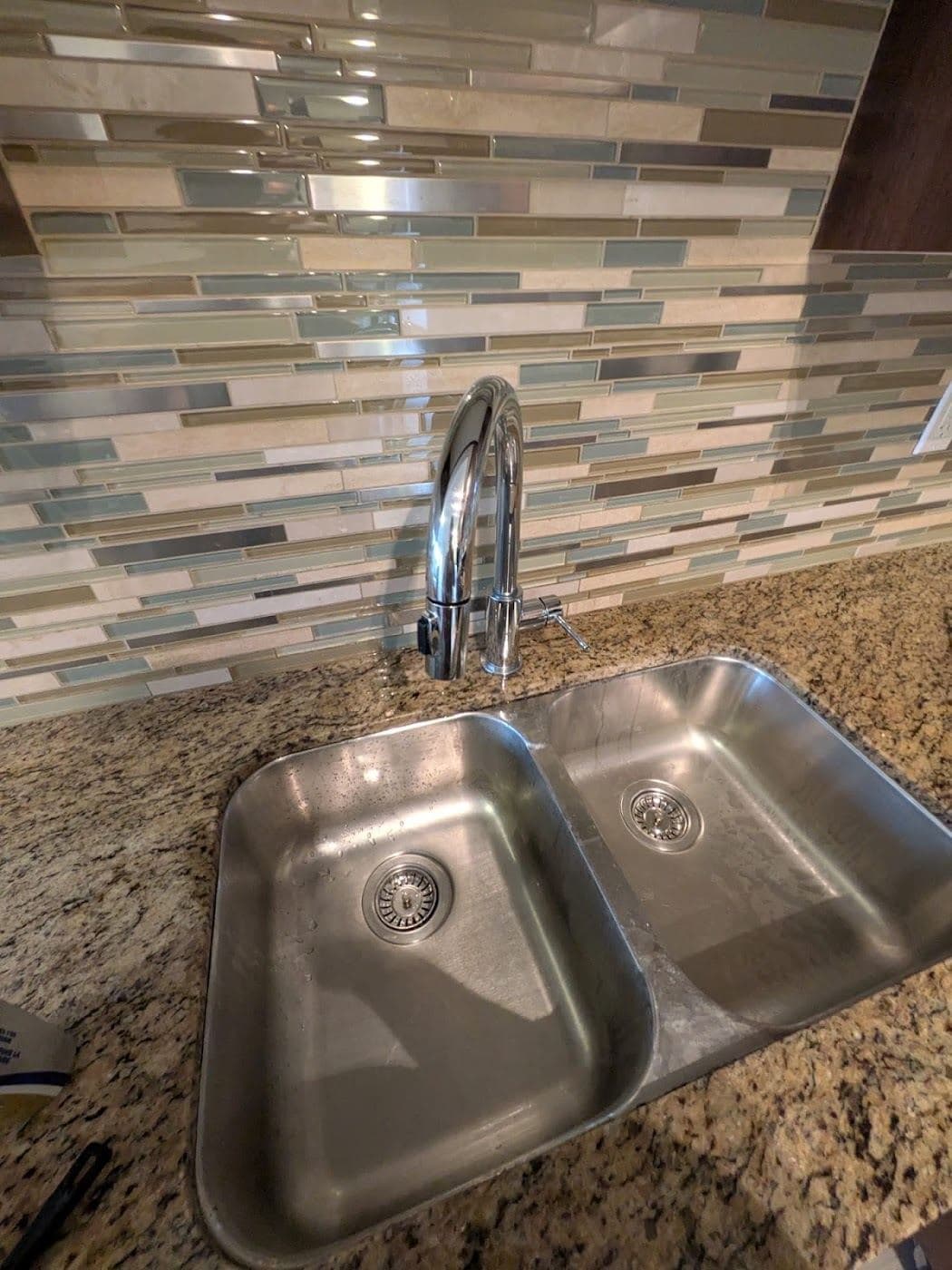
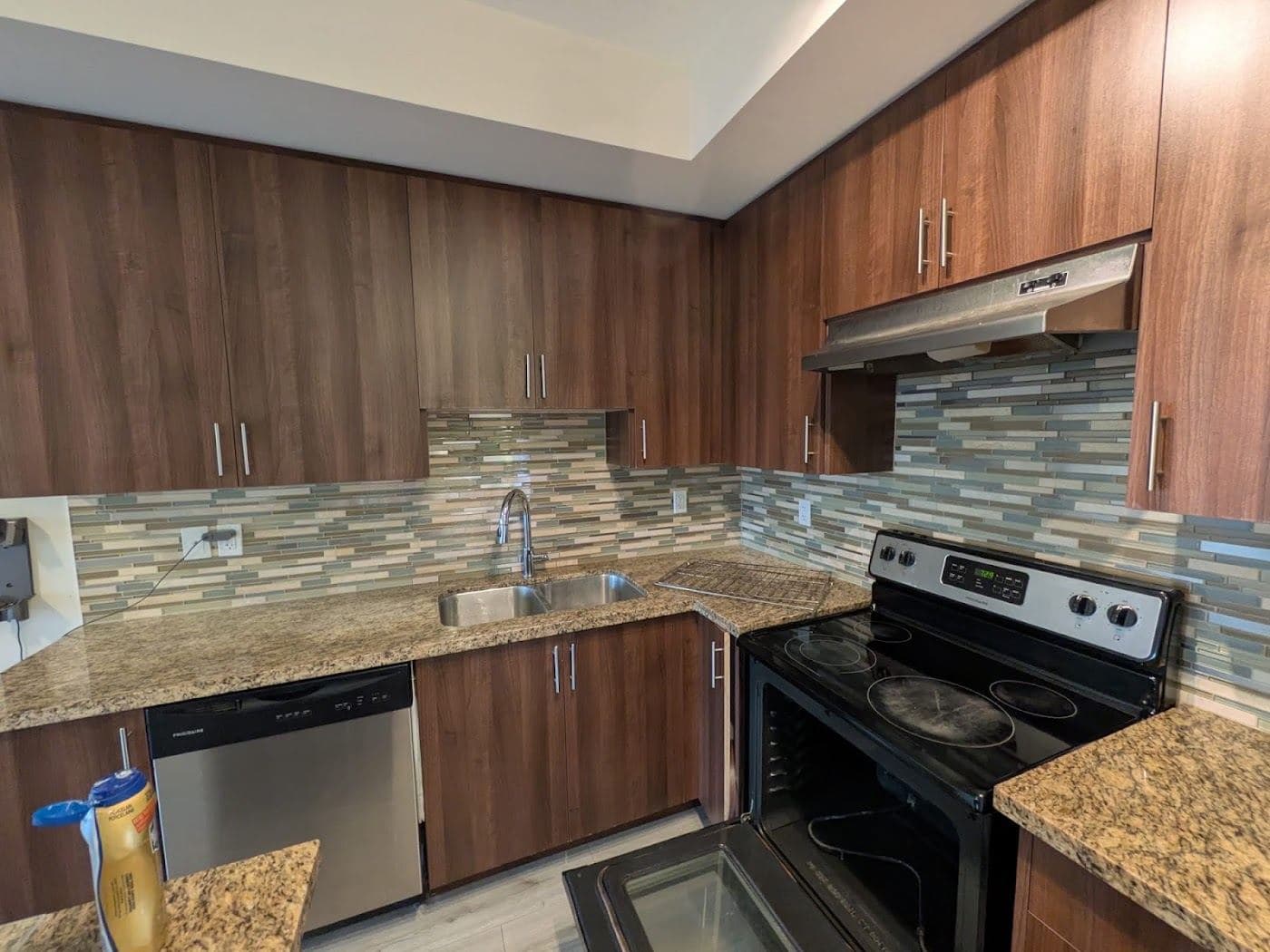
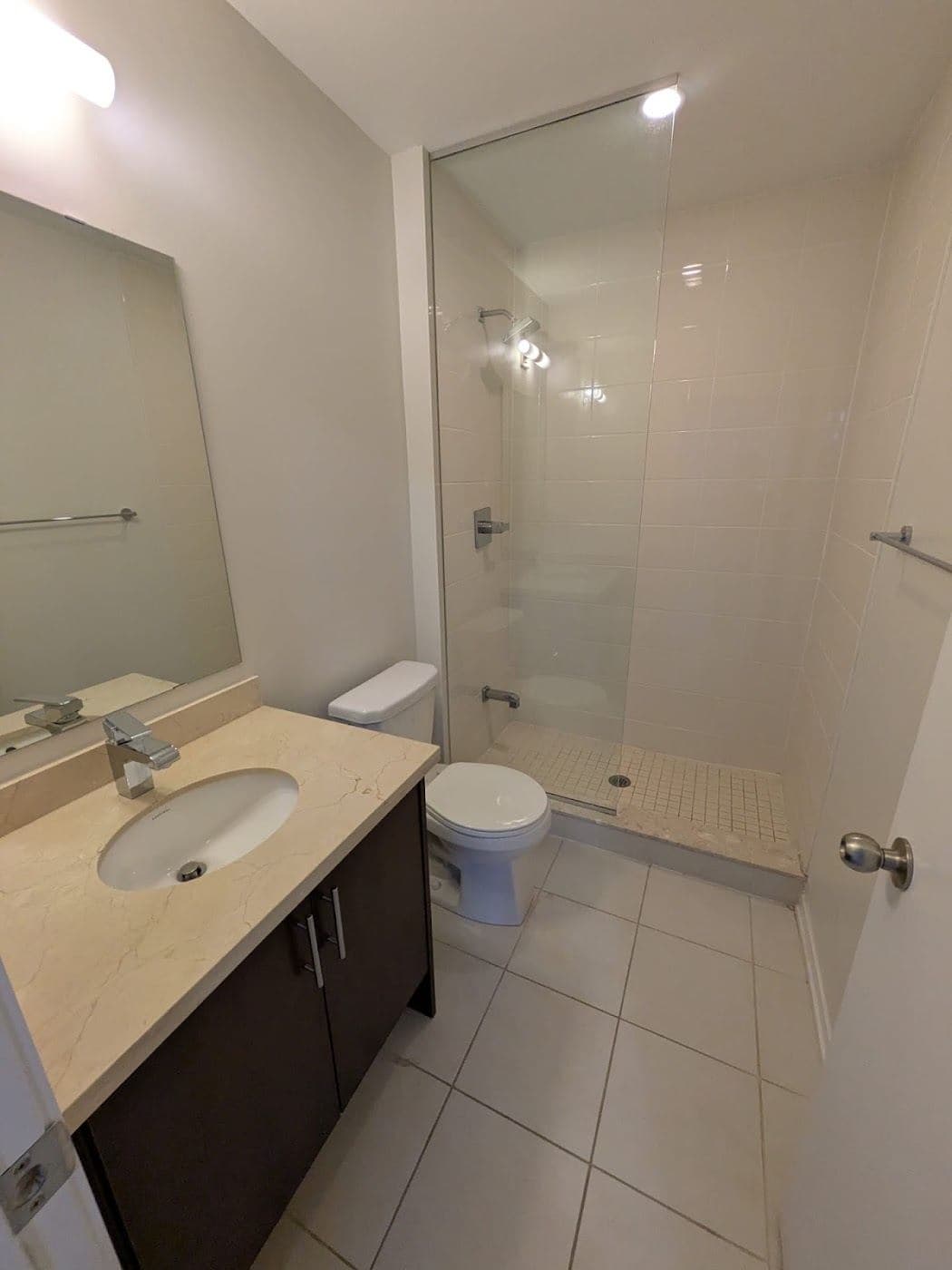
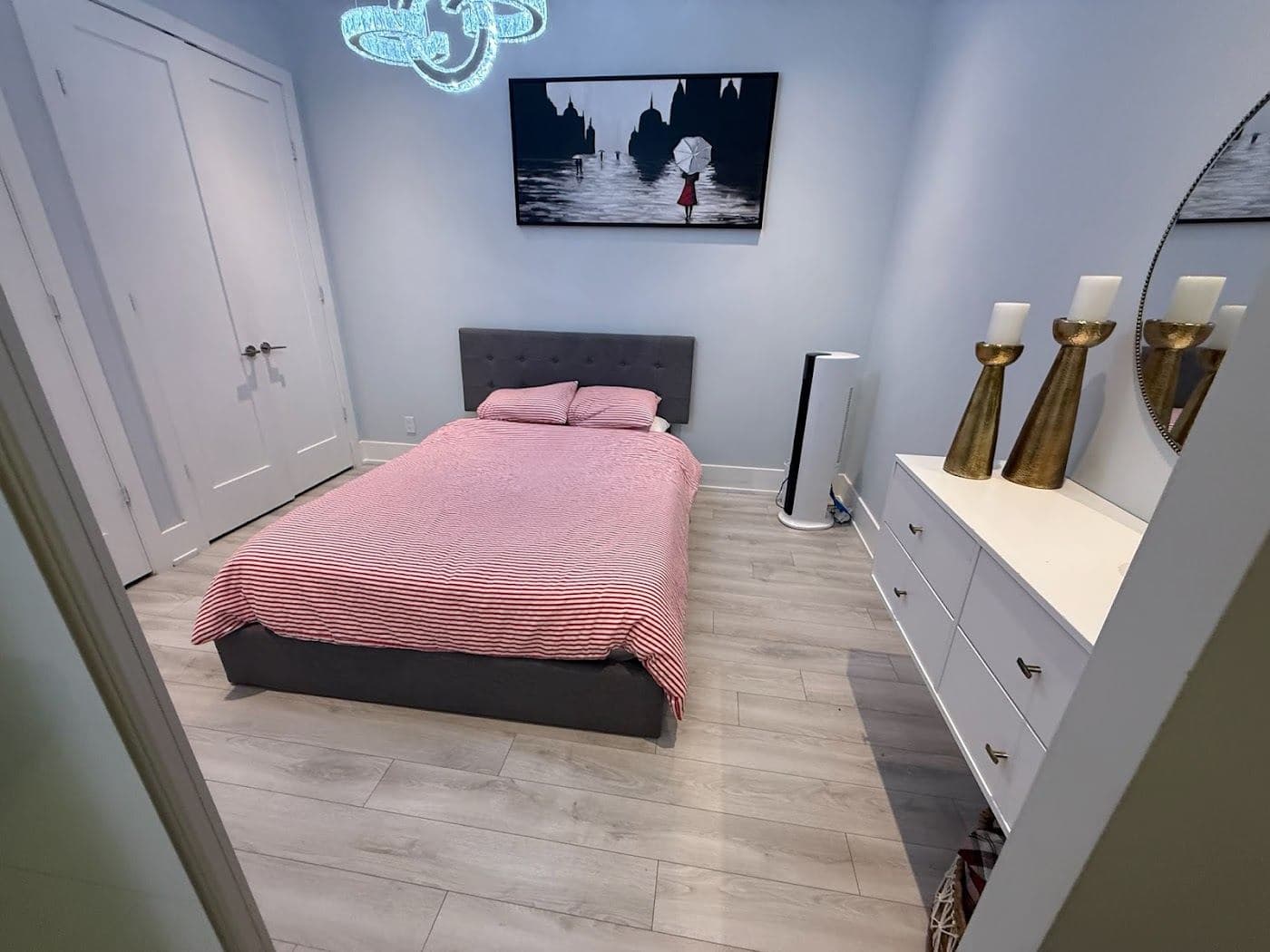
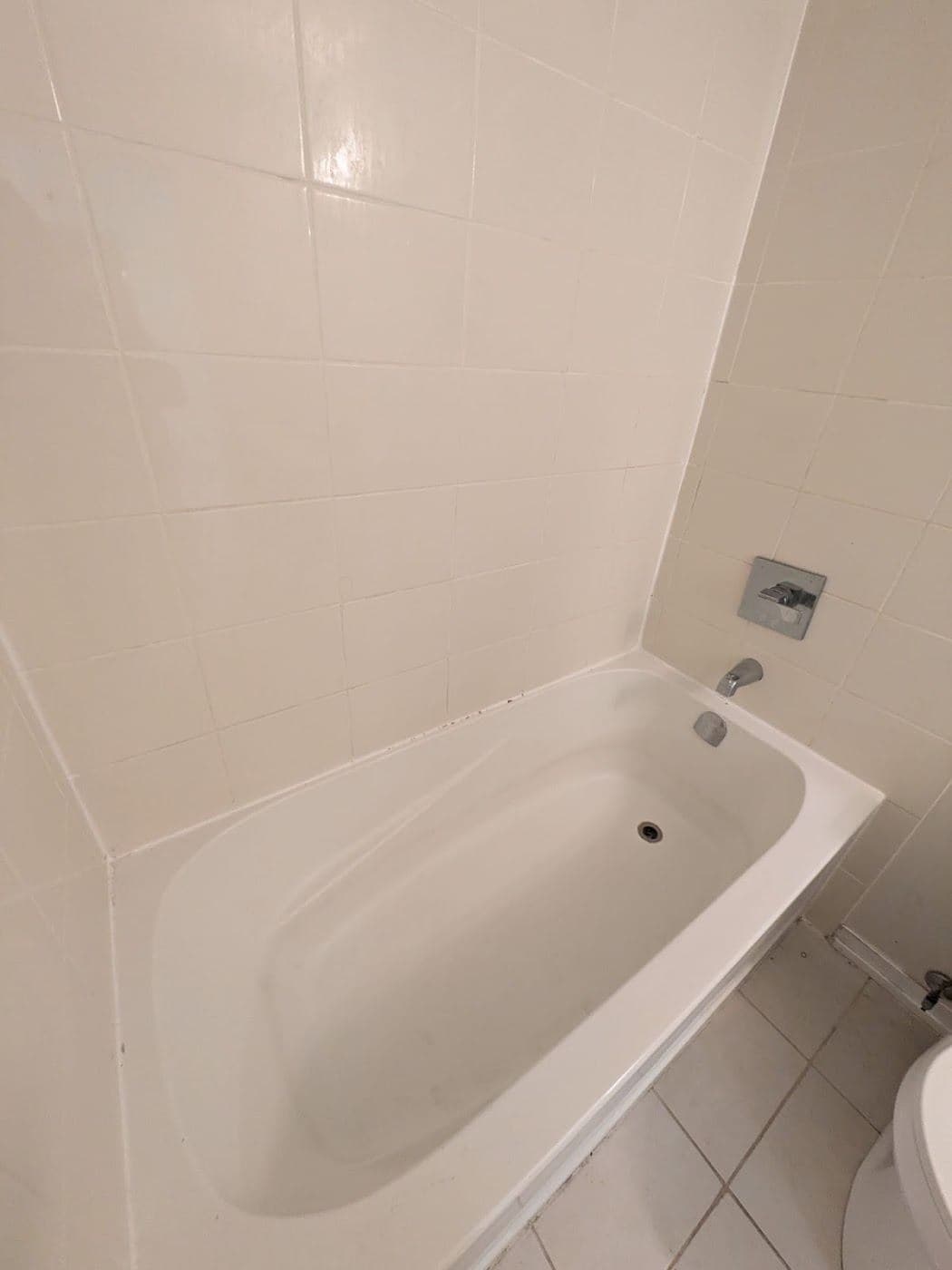
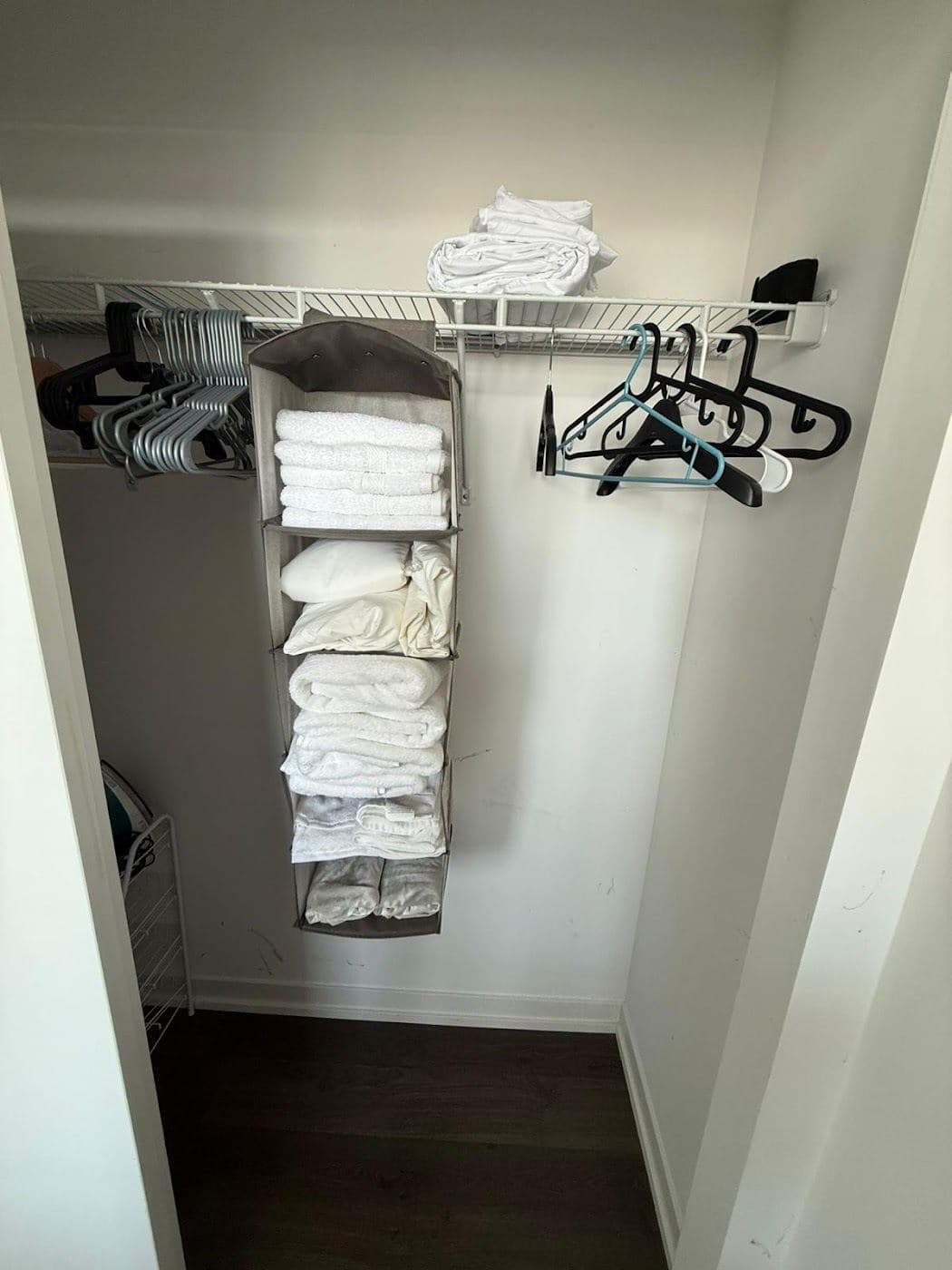
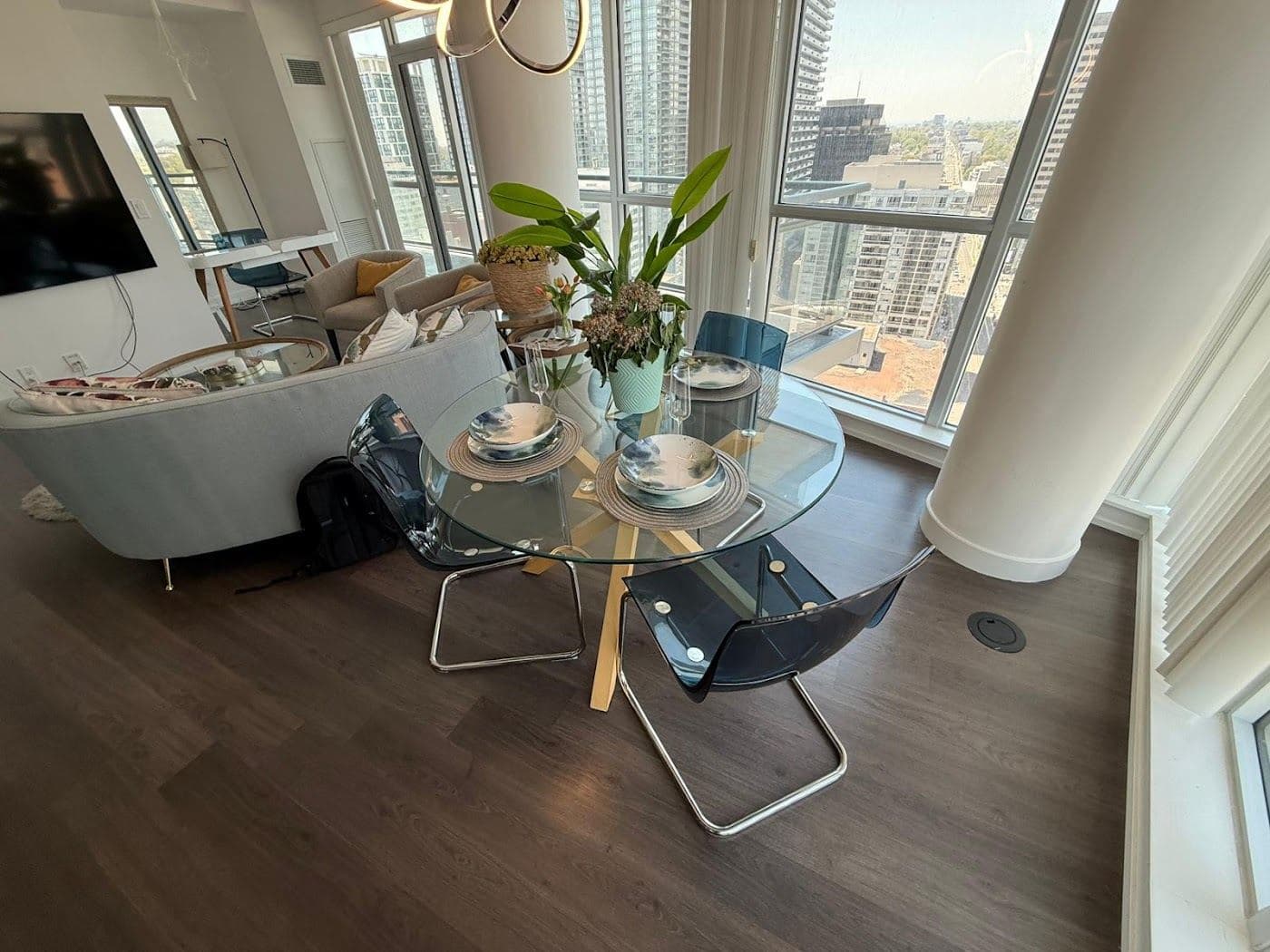
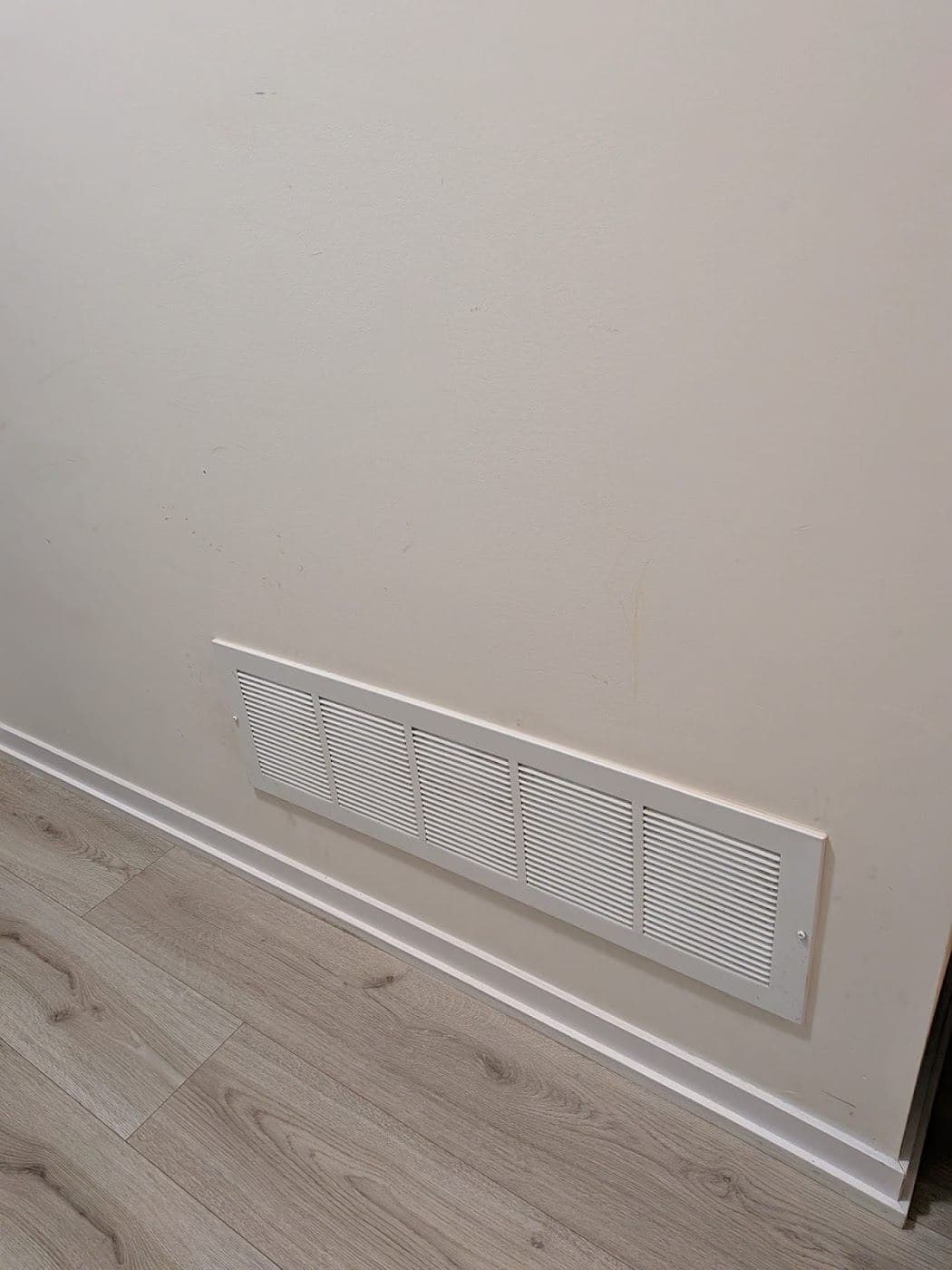
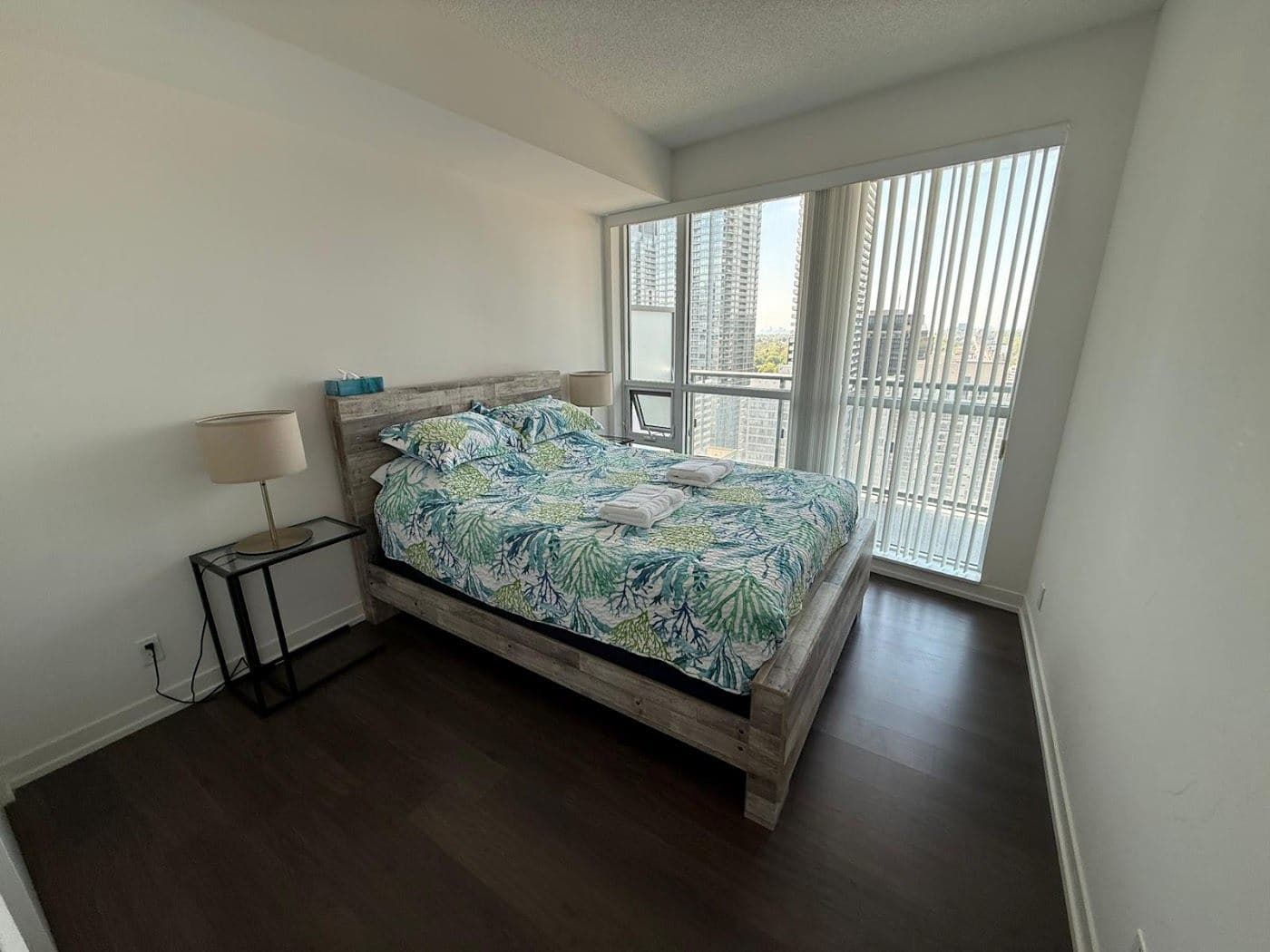
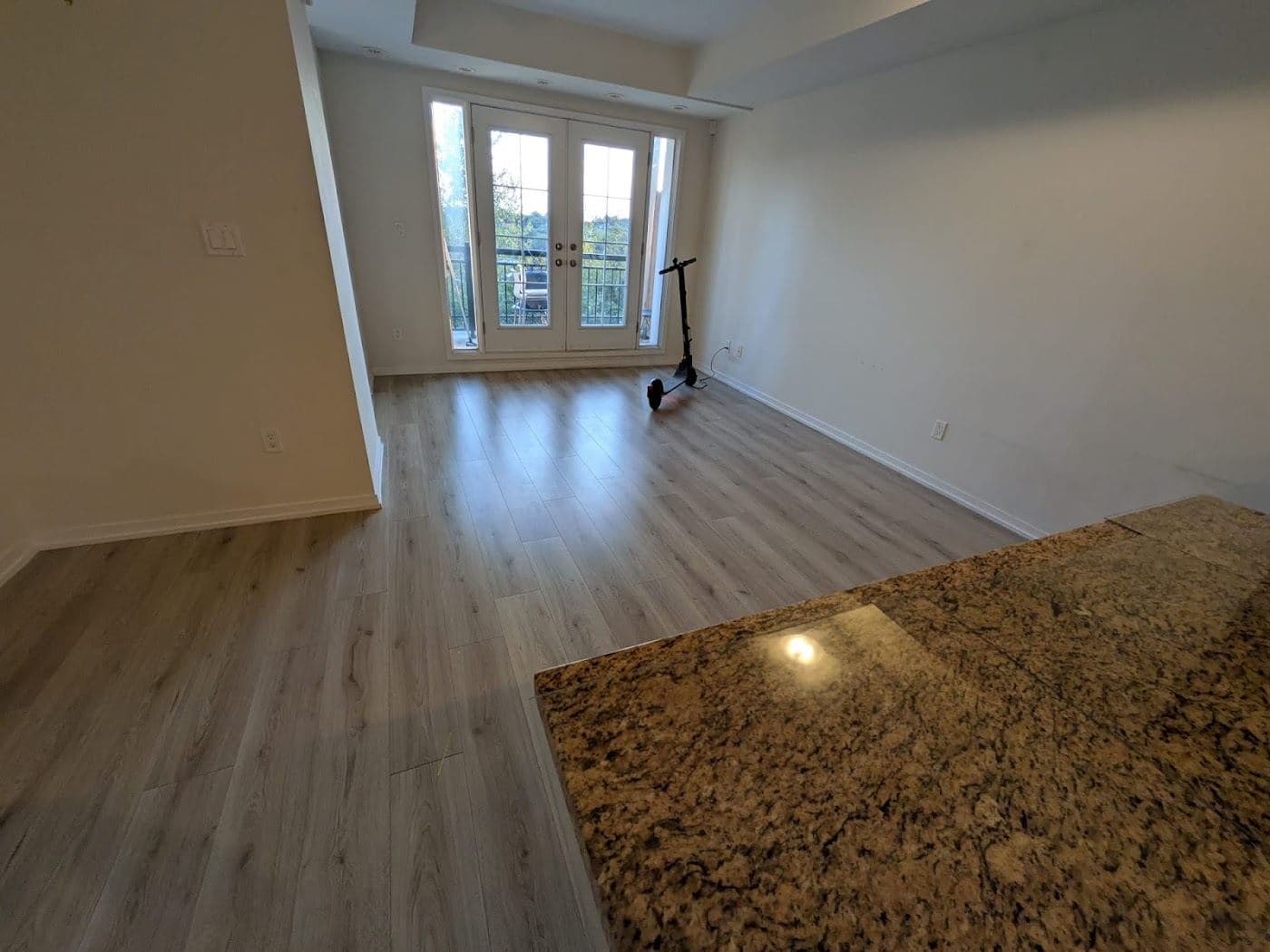
Photographs of work we have done
What shapes a visit in Midtown Toronto.
Midtown homes range from newer condo units to older houses with busy family routines. SpotlessCo keeps the quote specific: which rooms matter most, whether the home is already maintained, pets, and whether organizing should come before cleaning.
Recurring cleaning plans. For homes that need a steady maintenance rhythm.
Deep cleaning for seasonal resets and guest preparation. Plus the buildup-prone rooms.
Organizing support for closets and play areas. Kitchens, home offices, storage rooms.
Neighbourhoods we clean.
- Yonge and Eglinton
- Davisville
- Leaside
- Forest Hill
- Rosedale
- Moore Park
Homes in Midtown.
Family homes
Visits can focus on kitchens, bathrooms, bedrooms and stairs. Then living areas and floors. Plus the high-touch surfaces that collect daily use quickly.
Condos and townhomes
Smaller layouts still need a clear scope. Especially when bathrooms, kitchen buildup, pet hair, or storage pressure are the main concerns.
Seasonal resets
A deeper clean can target baseboards and detail dusting. Bathroom buildup, inside accessible fixtures. Plus the rooms skipped during regular upkeep.
What we clean.
- House Cleaning
- Kitchen counters, sinks and appliance fronts
- Toilets, tubs, showers and mirrors
- Dusting in bedrooms and living areas
- Floors vacuumed and mopped
Room-by-room cleaning for Vaughan and GTA homes. A dependable reset, planned before anyone arrives.
- Recurring Cleaning
- The same core rooms every visit
- Kitchens, bathrooms, floors and dusting
- Extra care for the busiest rooms
- Plan updated when your schedule shifts
A steady rhythm for homes that should never start from zero again. Same core rooms, every visit.
- Deep Cleaning
- Baseboards, fixtures and buildup
- Kitchen and bathroom detail work
- Interior windows and sills, where safe
- Priority areas done first
A deeper reset. Spring cleaning, bathroom buildup, interior windows, floor edges, the places a regular visit never gets to.
- Professional Organizing
- Sort, group and edit
- Storage planned before buying bins
- Shelf and closet cleaning, if scoped
- A simple plan to keep it working
Organizing help for the rooms where the clutter keeps coming back. No amount of cleaning fixes those.
- Airbnb Cleaning
- Beds remade with your linens
- Kitchen, bathroom and floors reset
- Supplies restocked from your inventory
- Final walkthrough, damage photographed
Short-term rental cleaning for Vaughan, Toronto, and GTA hosts. The clock matters. So does the guest-ready detail.
Choose frequency by how the busiest rooms change.
A Midtown home may look orderly overall. A few high-use rooms still fall behind. Kitchens collect meal preparation, dishes, appliance marks and floor debris. Bathrooms show daily moisture. Entries, stairs and family living areas carry movement all day. Build a recurring plan around how quickly those rooms change, not around giving every bedroom the same attention at every visit.
Weekly cleaning can make sense when several people, pets, guests, or home-based routines keep the main rooms in constant use. Biweekly service may suit a household that manages light tidying and wants a dependable reset of bathrooms, kitchen surfaces, dust and floors. Monthly cleaning needs a more selective priority list. The right cadence keeps important rooms from needing a recovery clean.
Track the pressure points
Notice which rooms lose their baseline first. And what type of work keeps repeating there.
Adjust the checklist
Keep core rooms consistent. Do it while rotating lower-use bedrooms, offices, or detail areas when appropriate.
Plan around transitions, not just individual rooms.
Busy homes are shaped by transitions. Food preparation, movement between floors, the reset of shared spaces at the end of the day. Cleaning priorities can follow that movement. An entry and main-floor path may need floors addressed together. A kitchen and nearby eating area can be one working zone. Stairs connect the dust patterns of separate floors, so they belong to the route.
Preparation can be equally practical. Laundry, toys, papers, dishes, personal products do not need to disappear. Grouping them by owner or room gives cleaning access without confusion. A basket for items that need a later decision is more realistic than organizing the entire home before each visit. The objective is simple. Reduce repeated handling, protect the household's own systems, and make the heaviest-use rooms ready for focused work.
Connect the route
Group entries, stairs, kitchens. Then eating areas and shared rooms, according to how the household moves.
Contain decisions
Collect unresolved belongings without hiding them. Surfaces can then be reached and sorted later.
Use a reset to catch work outside the regular checklist.
Recurring cleaning is designed to hold a baseline. Some details are easier to handle as a separate project. Baseboards, buildup around bathroom fixtures, detailed dusting, rooms skipped during busy periods. A deeper visit is especially useful when the normal routine has been interrupted. Name those areas. A list keeps the request concrete and stops the word deep from becoming an undefined expectation.
The home should also be divided into two. Must-complete work, then optional work. The main kitchen, primary bathrooms and high-use floors may be non-negotiable. Secondary rooms or rotating detail tasks follow if the scope allows. That order protects the visible reset even across multiple floors. Afterward, update the recurring checklist so the same neglected areas do not fall outside the maintenance plan again.
Name the detail
List the buildup and the skipped areas specifically. A broad request for extra attention does less.
Protect essentials
Complete the most important rooms before anything else. The remaining scope then goes to rotating detail work.
Give shared spaces systems that fit everyday use.
Closets, play areas, kitchens, offices and storage rooms become difficult to maintain when they hold several unrelated categories. The first organizing decision is functional. What activity should this zone support? A home office needs room for active work before archived papers. A pantry needs visible categories and accessible everyday items before decorative containers. Systems that look orderly mean little if the household cannot keep them going.
Cleaning can then be planned around the organizing stage. A closet or room emptied for sorting can have its surfaces and floor cleaned while access is open. If decisions take more than one session, the remaining categories should be contained. The organizing scope does not have to include every storage area at once. One completed zone is enough to free surfaces and make the next cleaning visit more efficient.
Define the function
Decide what each shared zone must support. Do that before choosing categories or storage locations.
Coordinate the clean
Use the temporary access during sorting. Clean shelves, floors, surfaces before items return.
For regular, recurring and Airbnb cleaning
Questions about Midtown Toronto.
Do you offer recurring cleaning in Midtown?
Yes. Weekly, biweekly, monthly, custom. These recurring schedules can be quoted based on the home size and maintenance level.
Can you combine organizing with cleaning?
Yes. Closets, kitchens, play areas, home offices. They often work better when organizing happens before or alongside the clean.
What details help with a Midtown quote?
Share the home type and room count. Bathrooms, current condition, pets. Parking or access notes, and any priority areas.
Book a clean in Midtown Toronto.
Property, rooms, date.
Then a real number, not a range.
Send the details with the form, or call. SpotlessCo reads every request and replies with a scope you can hold a price against.
Call (647) 773-6959