Cleaning and Organizing Guide for Toronto Homes. Planning guide.
Published
Use this SpotlessCo guide when you want the deeper details. What to book. What moves the quote, how coverage works, and when cleaning should be paired with organizing instead of standing on its own in a busy household.
Compare the options before you request a quote.
Start with the kind of work the home needs, then use the sections below to compare service fit, quote planning, coverage, next steps before you write anything down.
Start with the problem the home has today.
Which service fits?
The right service depends on the problem. Maintenance, detail work, urgent help, or a more practical system for the things already inside the house, which is a different job again and usually a longer one.
Start with regular house cleaning
Pick this when the home is broadly manageable. Kitchens, bathrooms, dust, high-use rooms, and floors still need steady upkeep, week after week, and that is the whole job.
Choose deep cleaning for buildup
Deep cleaning fits a different problem: detail work, seasonal reset tasks, appliance interiors, baseboards, or the spare room nobody has opened the door of since last winter.
Use organizing when clutter blocks cleaning
Clutter comes out first. Closets, pantries, storage rooms, desks, or bedrooms need an organizing system in place before any amount of cleaning will last more than a week.
Ask about urgent timing early
Same day and same week requests work best with a clear scope: priority rooms, access details, and the one deadline that actually matters, named out loud.
What changes the price and timing.
Quote planning
A useful quote starts with real details. Square footage matters. It is not the whole story. So do room count, clutter, buildup, urgency, access notes, and the question of whether this visit is a one-off reset or the first of a repeatable maintenance plan.
Details to share
- Home size, layout, bathroom count
- Current condition, and how much has built up
- Whether cleaning, organizing, or both are needed
- One-time, weekly, biweekly, or monthly timing
- Parking, elevator rules, building access, entry notes
- Priority rooms, if the whole home cannot be handled at once
See the spaces behind the plan.
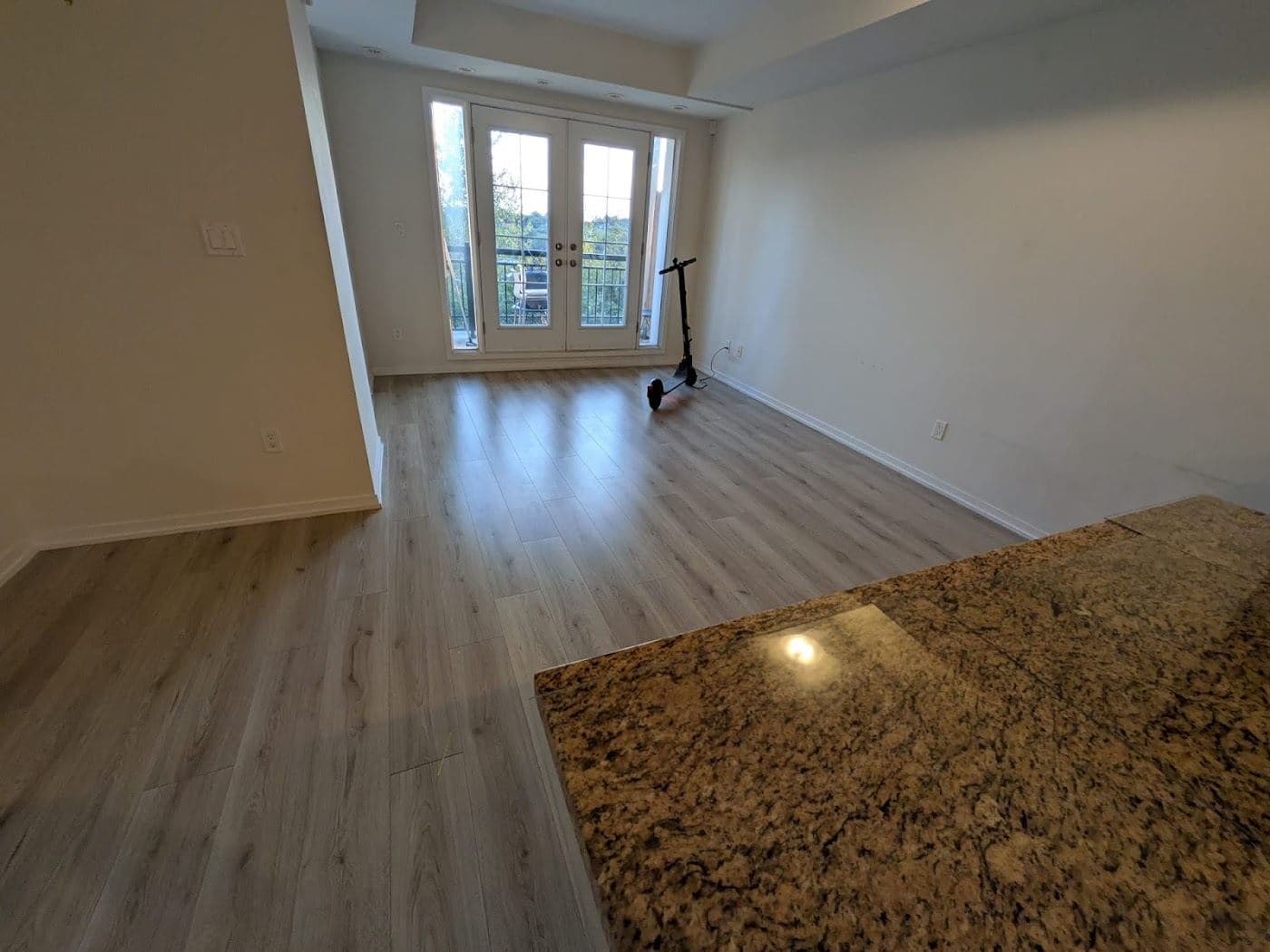
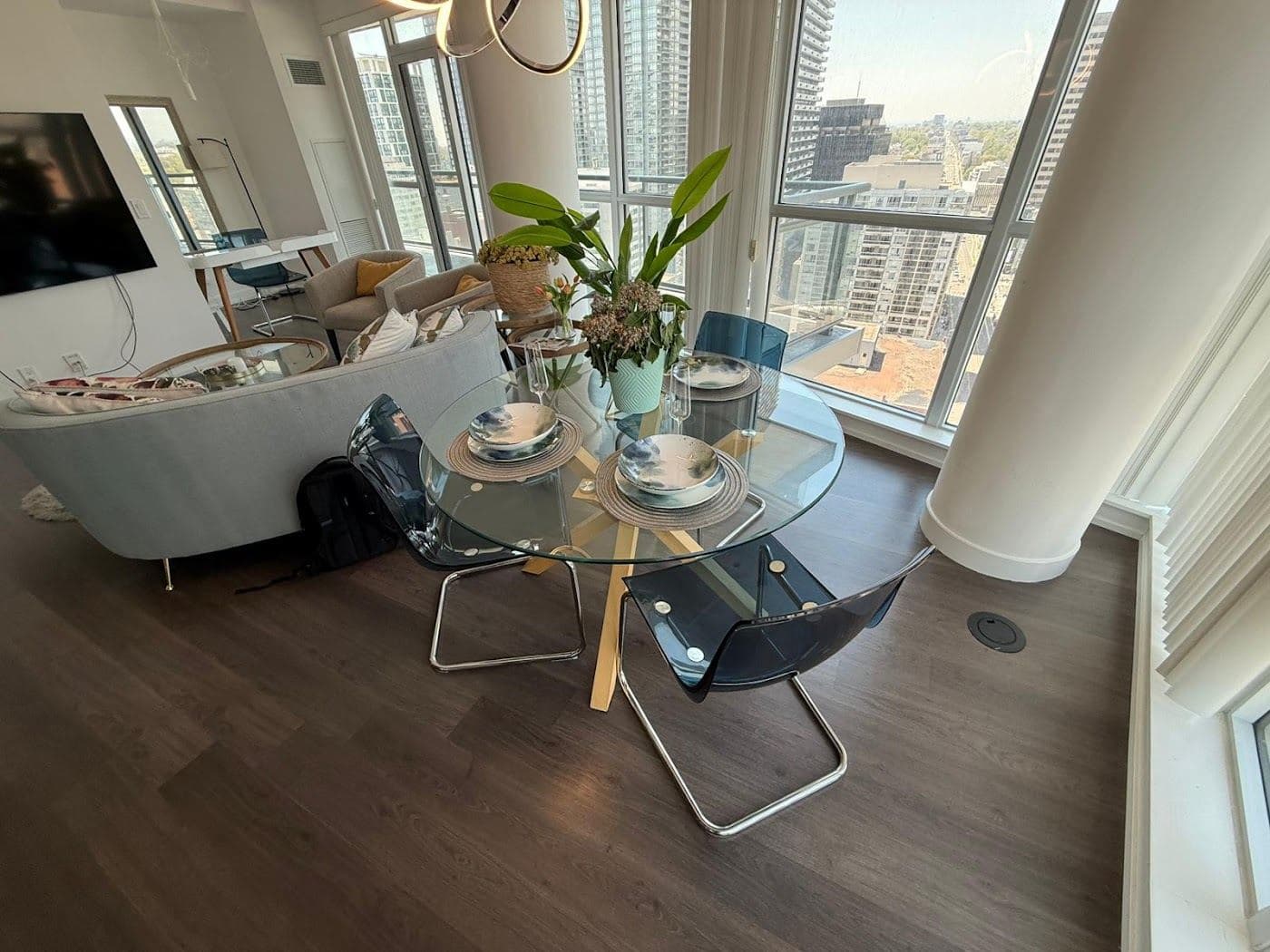
Rooms in view
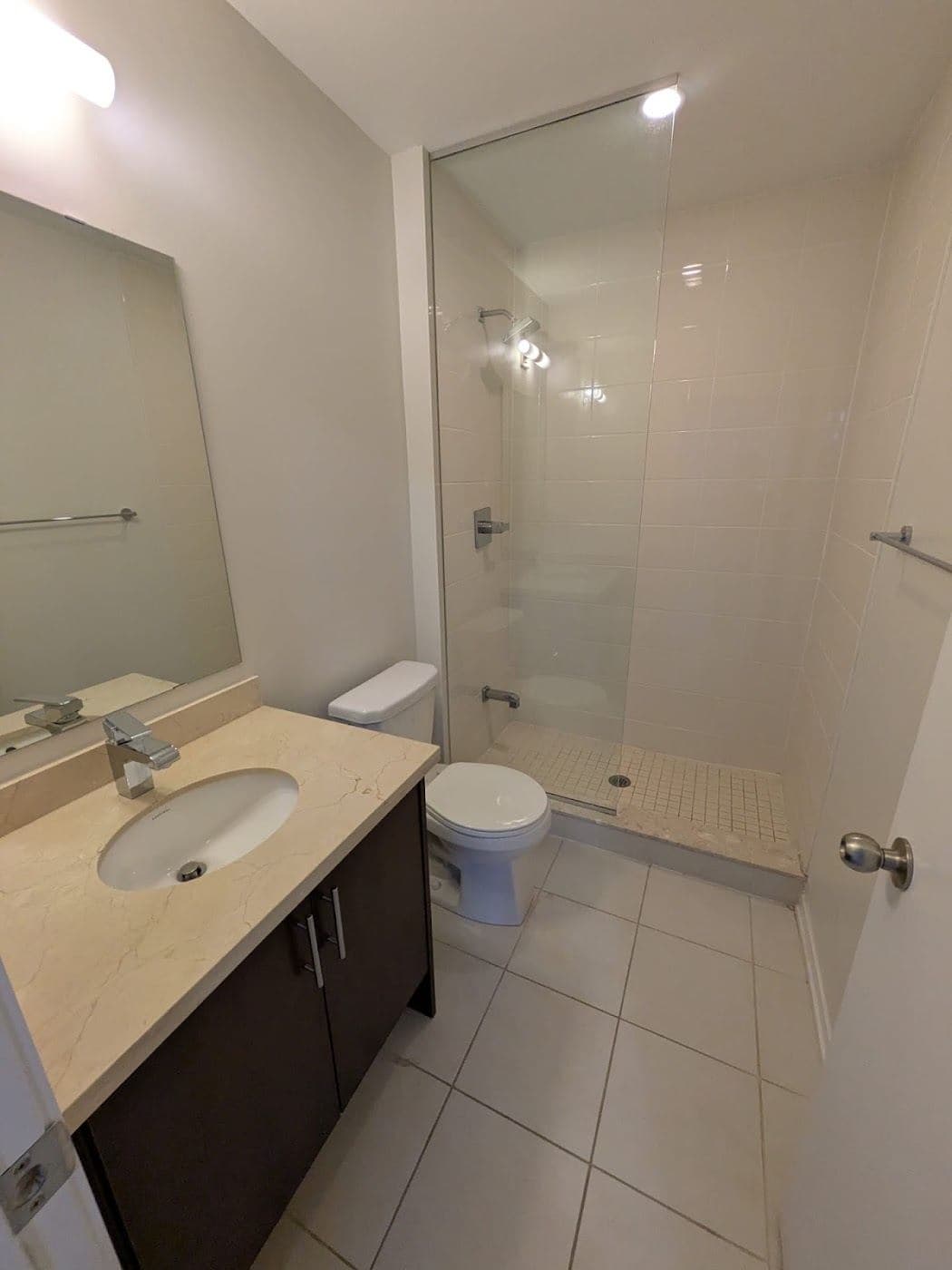
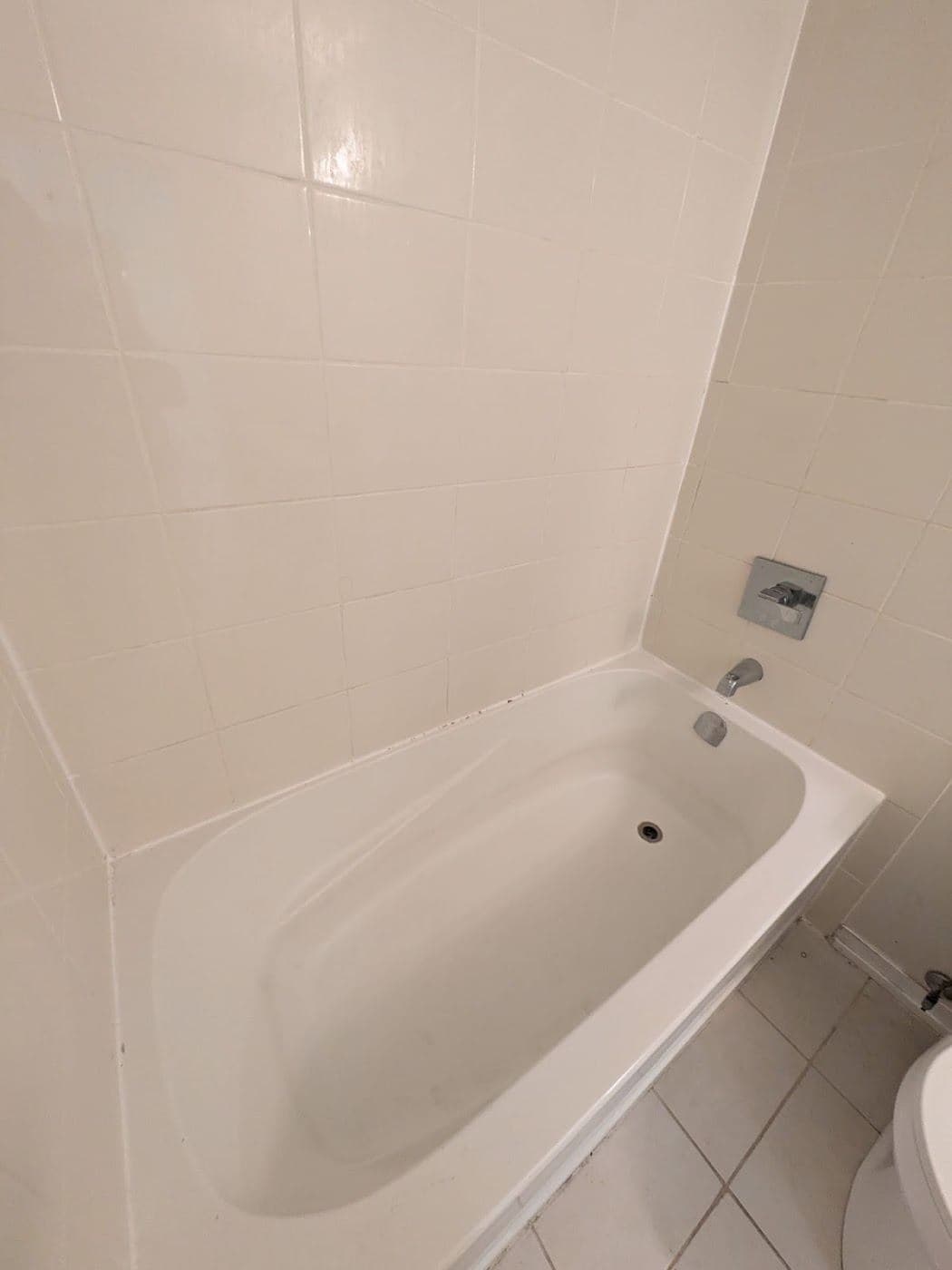
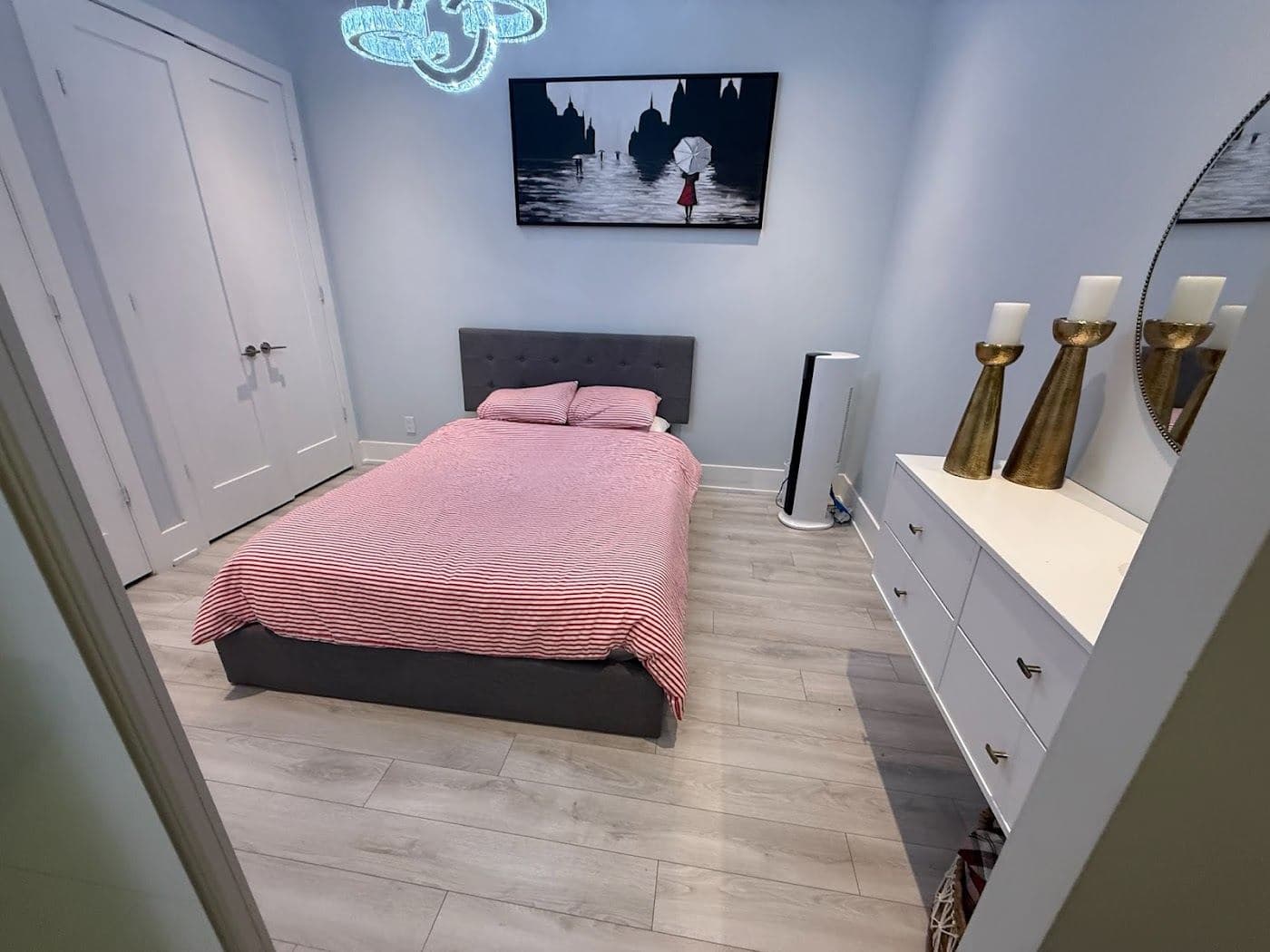
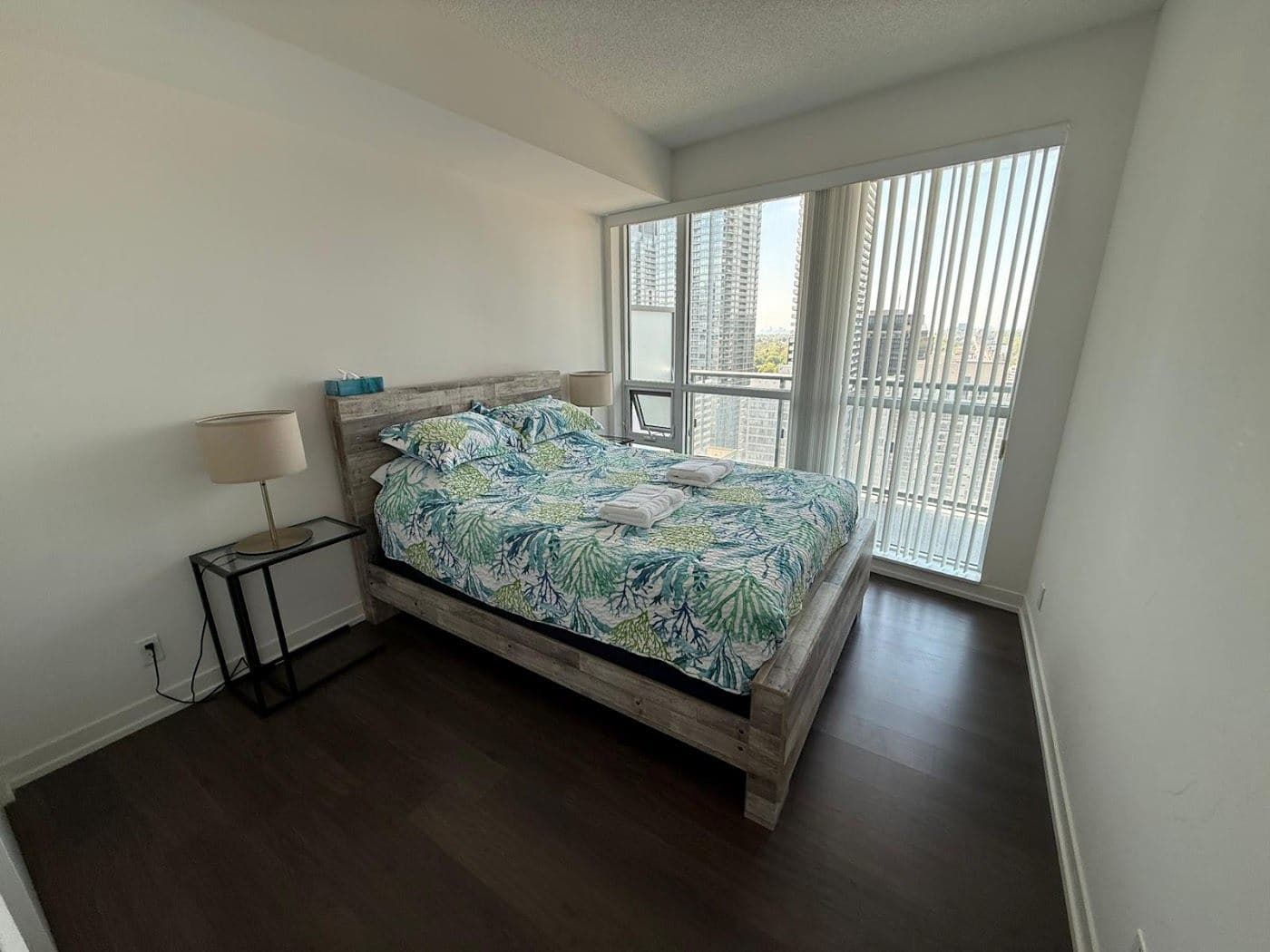
Look at them together. Decisions about cleaning and organizing get easier when surfaces, storage needs, and rooms are considered in one pass, because a room rarely has only one kind of problem.
Vaughan first, across the GTA.
Coverage
Vaughan is the primary service focus. You can book cleaning and organizing throughout the GTA, including Toronto. The schedule is confirmed before booking.
- Vaughan
- Woodbridge
- Kleinburg
- Maple
- Concord
- Vellore Village
- Thornhill
- Richmond Hill
- Downtown Toronto
- Midtown
- North York
- Scarborough
- Etobicoke
- East York
- Greater Toronto Area
Keep moving through the site.
Next steps
- House Cleaning
Room-by-room cleaning for Vaughan and GTA homes. A dependable reset, planned before anyone arrives.
- Recurring Cleaning
A steady rhythm for homes that should never start from zero again. Same core rooms, every visit.
- Deep Cleaning
A deeper reset. Spring cleaning, bathroom buildup, interior windows, floor edges, the places a regular visit never gets to.
- House cleaning rates in Toronto
A pricing guide for comparing house cleaning rates in Toronto.
Build the visit around how the home is actually used.
Planning the work
A useful cleaning or organizing plan starts with the routine. Not a room list. Two people working from home in a condo will hammer the kitchen, entry, work desks, and bathrooms, while a much larger house can hold more square footage and several rooms nobody walks through from one month to the next. Then look at where things land. Shoes, mail, dishes, laundry, pet supplies, everyday belongings. Those piles tell you which rooms make the most work, and which improvements the household will actually notice, which is rarely the room you would guess from the doorway.
Separate the visible from the detailed. Visible means clear counters, clean floors, a guest bathroom, an entry that is not stacked with shoes, while detail means trim, cabinet fronts, appliance interiors, shelves, the corner behind the door. Both can matter. They also compete for the same hours, so rank them before the quote goes out, and the visit finishes a set of rooms instead of leaving partial progress everywhere, which is what people actually remember a week later.
Condos and apartments
Multi-unit buildings need access planning. Real planning. Send the parking instructions, elevator booking rules, concierge procedures, entry codes, and any limit on loading or waste removal, because a cleaner waiting in a lobby for a service elevator is time the rooms never get. Inside the unit, find the compact storage where moving one group of belongings immediately blocks another, because that is the corner where a plan quietly falls apart. If counters and floors are already reachable, a focused apartment cleaning plan may be all you need, but if storage is the real problem, organizing the entry, kitchen, or a single closet first will make the later cleaning far more efficient. In that order.
Houses and multi-level homes
Houses do better in zones. Group the main floor, sleeping areas, bathrooms, storage spaces, and the basement, then decide which zones get attention now and which can wait, and mention stairs, pets, multiple entrances, finished basements, recent renovations, and the rooms nobody uses. For a first reset, compare the regular house cleaning scope with deep cleaning, because a larger home does not automatically need every detail task on the list.
Homes preparing for a change
Deadlines arrive from every direction. Moves, guests, a changed schedule, the renovation that finally ends. The right sequence is different in each case. Order matters. Before a move, split what travels from donations, recycling, and disposal so cleaners can reach the emptied surfaces, and before guests, put the rooms they will use ahead of a whole-home project. After construction, describe the work that took place and any materials still on site, so the request can be compared with a dedicated post-construction cleaning scope instead of a general clean that was never built for grout haze and drywall dust.
Rooms where clutter returns
Clutter that keeps coming back is usually a storage problem, not a cleaning problem. Sometimes a routine problem. Look for items with no assigned home, storage you need a stepladder to reach, categories spread across three rooms, or containers that hide whatever is inside them, since anything nobody can see is something the household will quietly buy again. A professional organizing session can handle the decisions and the systems, while cleaning takes the shelves, floors, and surfaces the process uncovers, so keep the two outcomes separate in the quote and the time for each stays clear.
Prepare enough to protect the plan, not to hide the work.
Before and after
Before the visit, put away sensitive documents, medication, keys, and anything small and valuable, because that is the one question nobody else in the house can answer for you. Point out fragile pieces and surfaces that need special care, say how the pets will be managed, and make sure every agreed room can actually be entered, because a locked door turns a planned room into a note on a list. You do not need to do any cleaning before a cleaner arrives. Nobody expects it. The aim is to remove uncertainty about access and decisions while leaving an honest picture of the home's condition, which is what the quote was built on.
If organizing is included, book time to take part. Actually take part. An organizer can guide the process, group categories, and suggest practical placement, but the household stays in control of what is kept, donated, sold, recycled, or discarded, and that is not a formality. Decide in advance whether removal or drop-off is part of the requested work, because a stack of donation bags left in the hall on the day helps nobody.
Review the result against the agreed scope
Afterwards, go back to the original room and task list. Then be specific. What made the biggest difference? What took more attention than anyone expected? Which corner started collecting dust again first? Feedback about a specific room, surface, or task is far more useful than a general sense that the home should feel finished forever, which no home ever does.
For recurring care, let the interval follow the home. The home decides. If the kitchen and bathrooms hold up fine but the floors give out sooner, shift the priorities, and if every visit starts by moving the same belongings off the same surfaces, then the organizing system needs another look. A repeat plan exists to hold a realistic baseline. It does not exist to push every Toronto household onto one checklist or one schedule for the whole year.
When you are ready, send the home type, approximate size, bathroom count, current condition, timing, access notes, and your top rooms through the quote request. That is enough to start a useful conversation. No need to minimize the work or choose every optional task in advance.
Let seasonal pressure change the priorities, not the whole system.
A plan that lasts
Toronto homes collect different work through the year. Every year. Entry floors take the worst of it when wet footwear, salt, and grit come indoors, while an open-window spring shifts the dust and pollen priorities somewhere else entirely. And hosting, travel, school schedules, and long evenings outside will quietly change which rooms get used most, which is the moment a fixed routine starts to look wrong. Add those temporary needs to the core maintenance routine. Do not redesign the whole cleaning plan every season. Adjust it.
Keep occasional supplies near the point of use. Take them away when the season turns. A tray for wet shoes, a cloth kept where entry spills happen, or one defined spot for outdoor equipment will cut the amount of loose material travelling through the house, and none of it requires a purchase if the tray is already sitting in a cupboard. These are organizing decisions that support cleaning. None of them needs a decorative storage product for every category.
Keep the household involved between visits
Pick a few actions that match habits people already have. Put daily items back in their zone. Deal with a spill when it happens, keep the sink and the main counters clear, and move rubbish or laundry where it belongs before it settles. A long maintenance checklist helps nobody. A short routine people can repeat on a bad Tuesday helps a lot.
When several people share a home, assign responsibility by area or by routine. Name the owner. One person will not notice everything, and expecting them to is how the whole arrangement quietly becomes one household member's second job. Children or roommates usually need simpler categories and more visible storage than whoever designed the system, so watch where things collect on their own and move the storage to meet that behaviour.
None of this replaces professional help. A professional visit does not replace the daily jobs either. The two work best together, with the visit handling the agreed cleaning or organizing scope and the household protecting the most useful parts of the result afterward, which is far less work than it sounds once the first week is behind you.
Send the rooms, timing, and address details.
Ready to scope the work?