Move-In and Move-Out Cleaning in Toronto, Vaughan, and the GTA. Like it’s brand new.
The detailed clean an empty home needs before the keys change hands. Quoted once the condition has been seen.
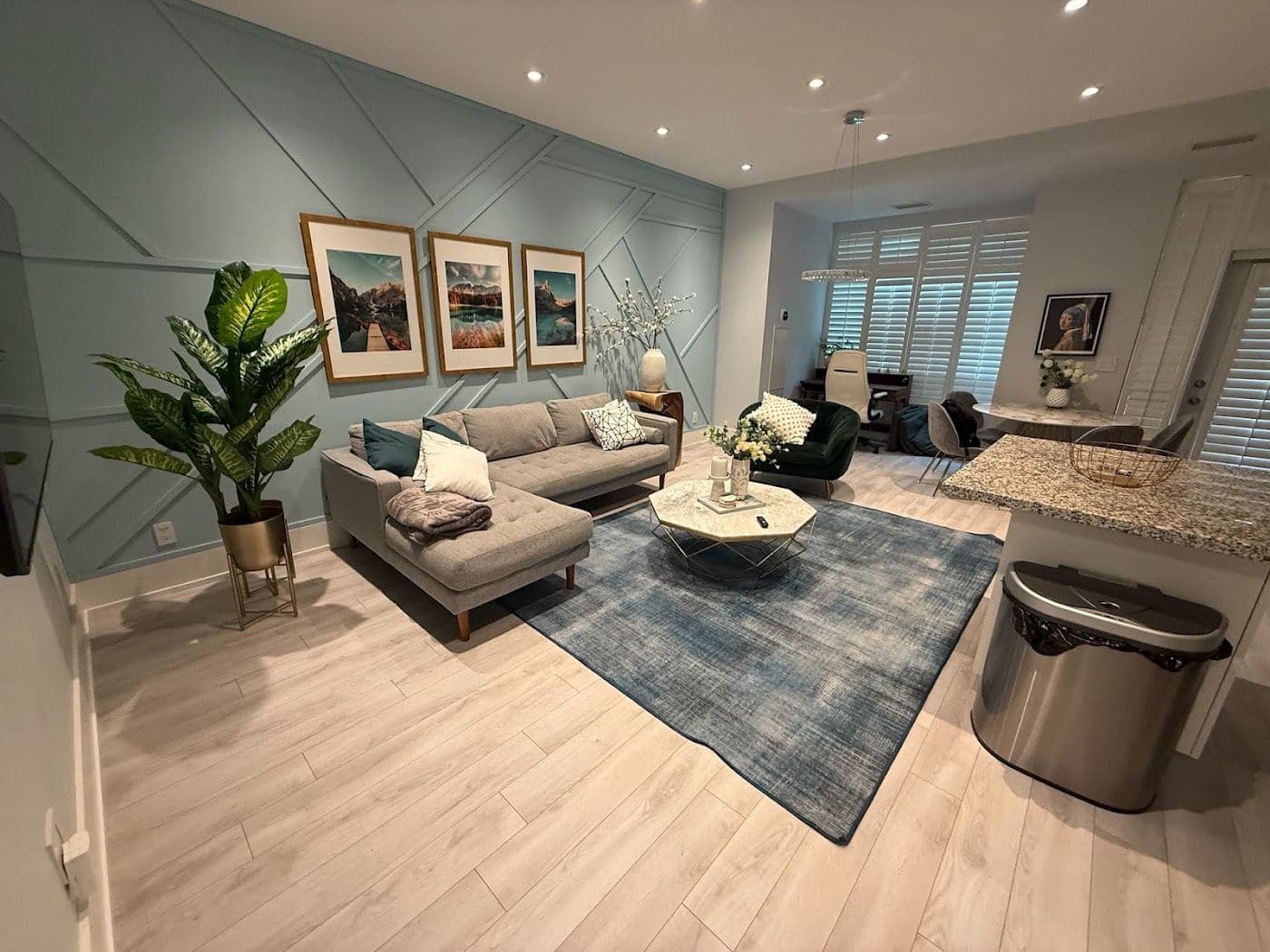
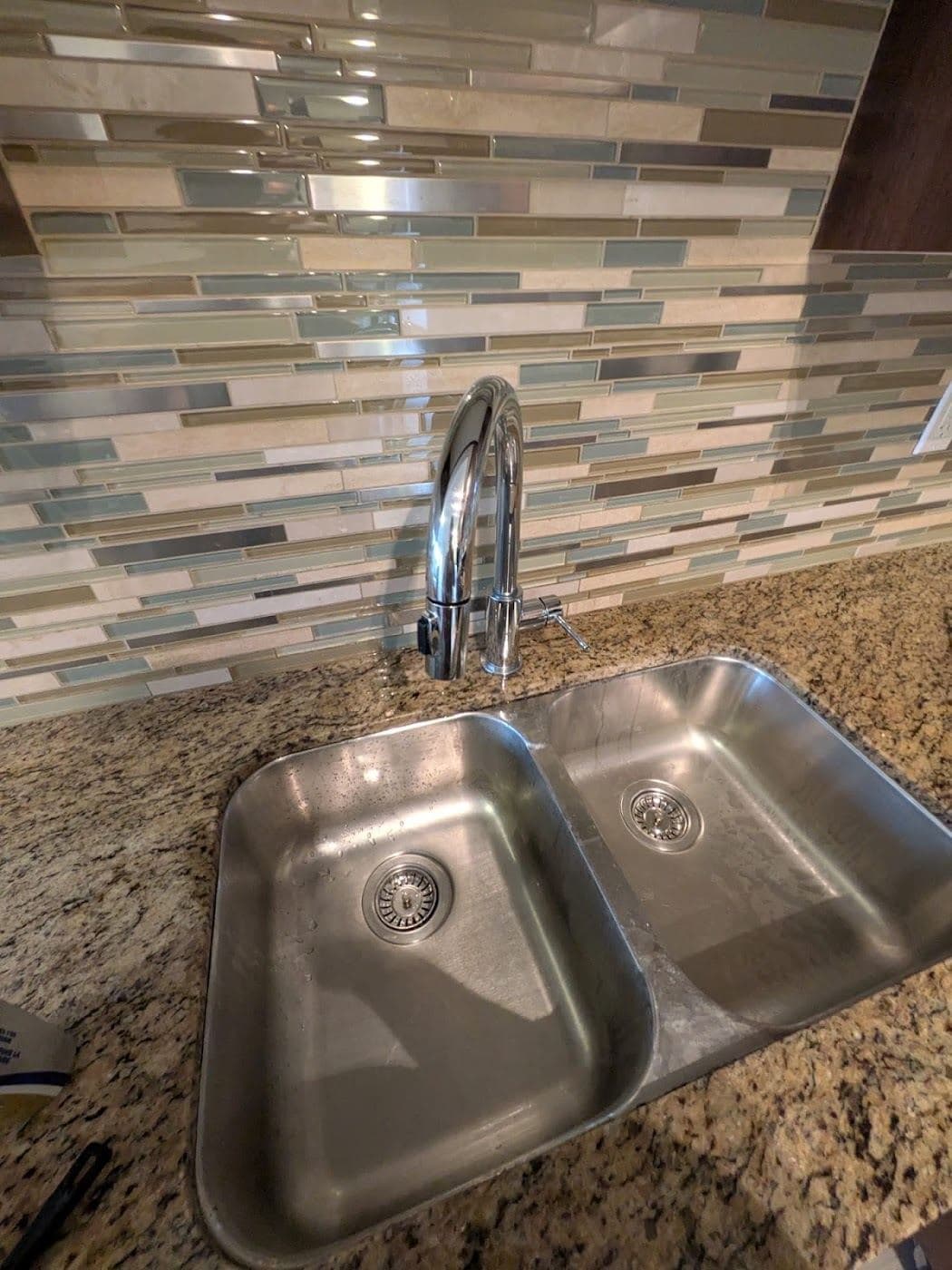
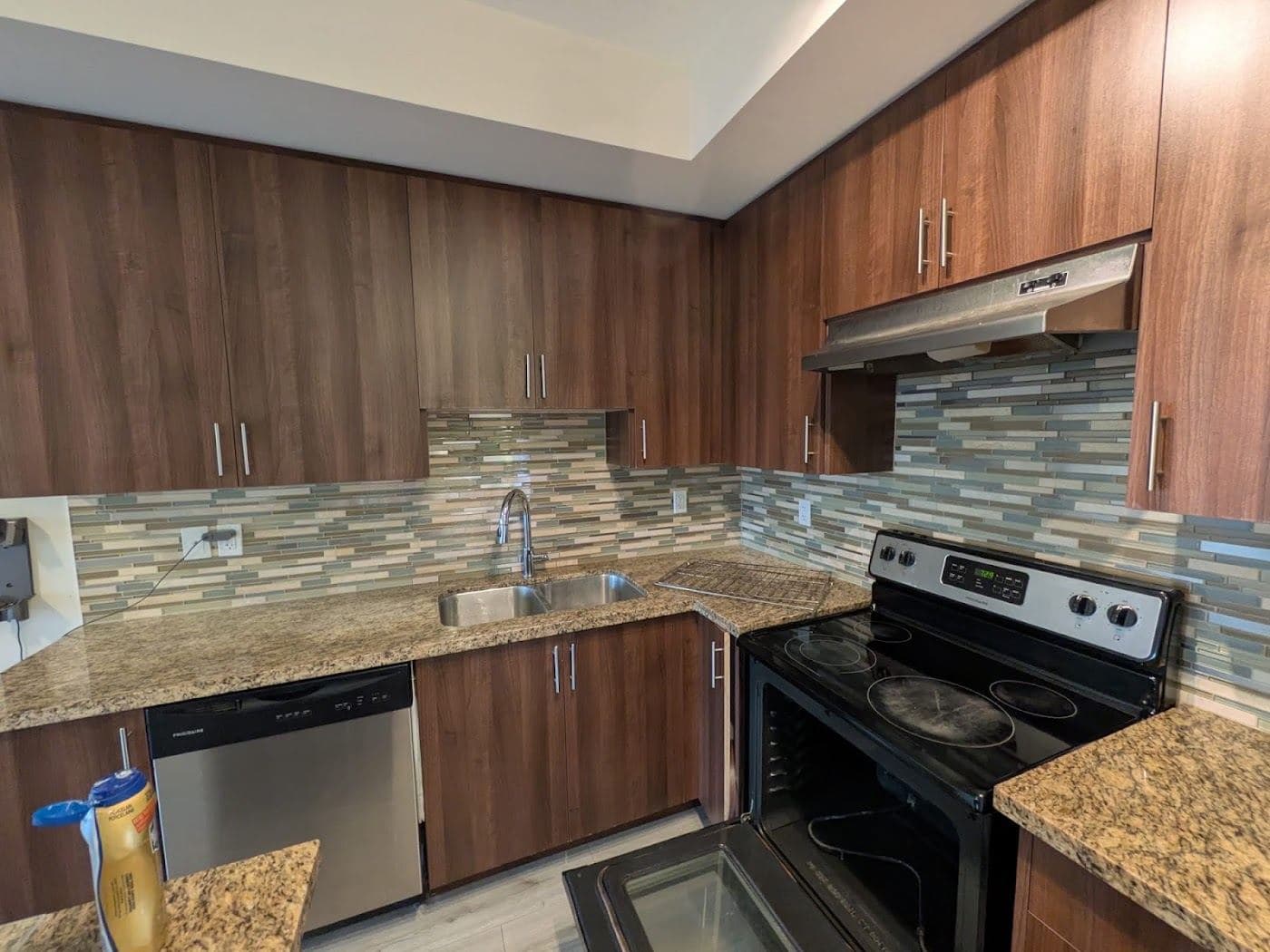
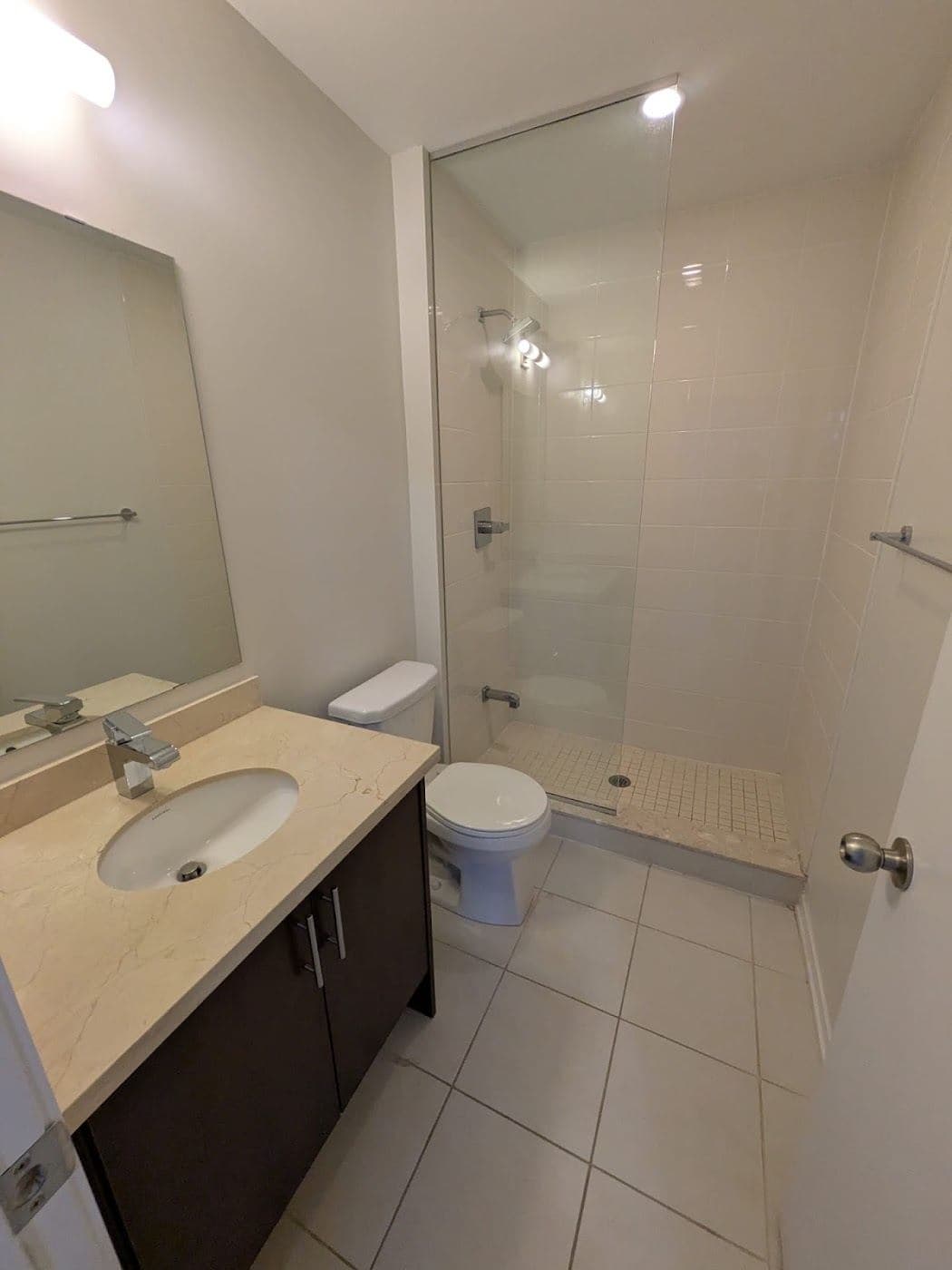
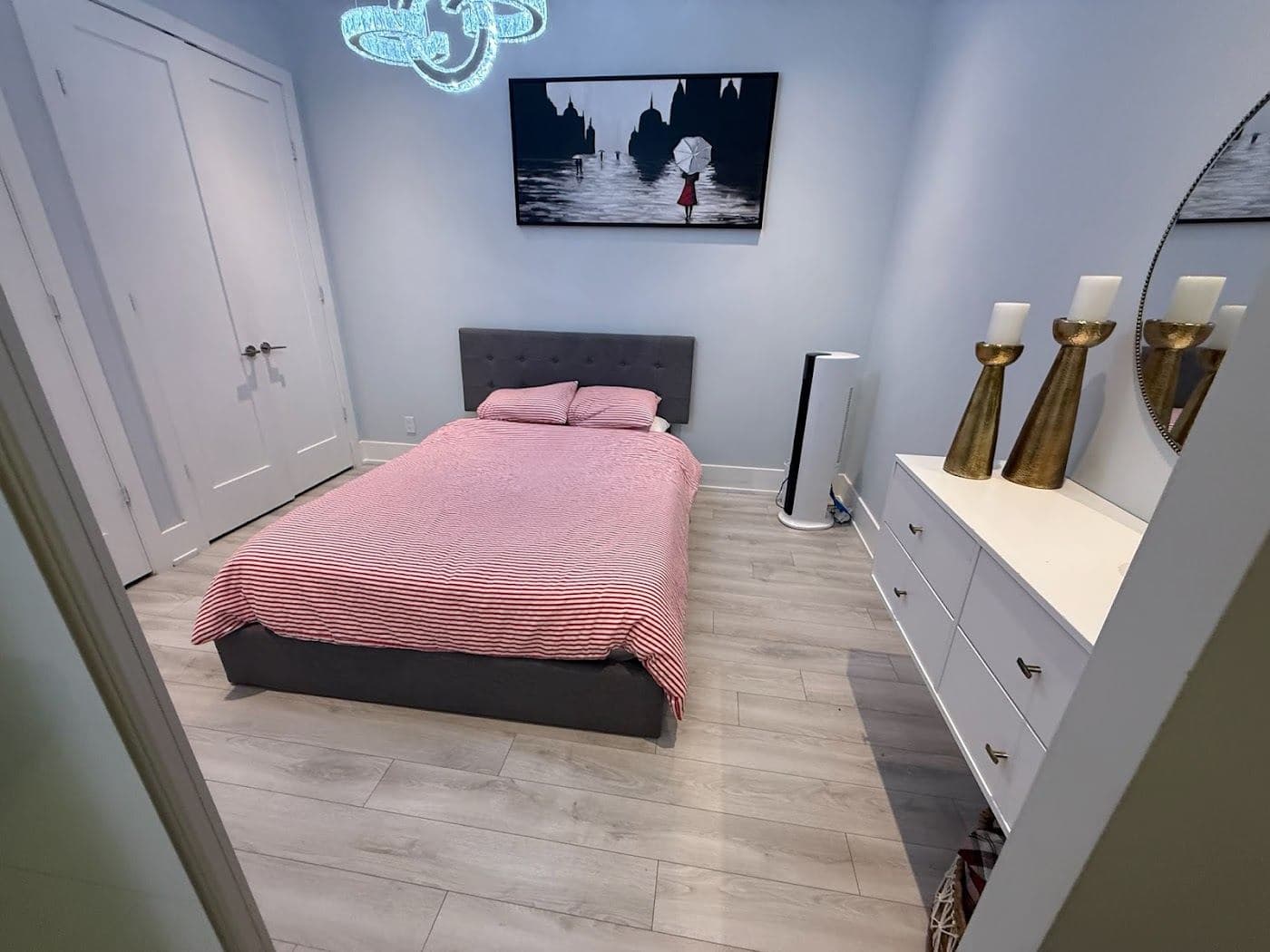
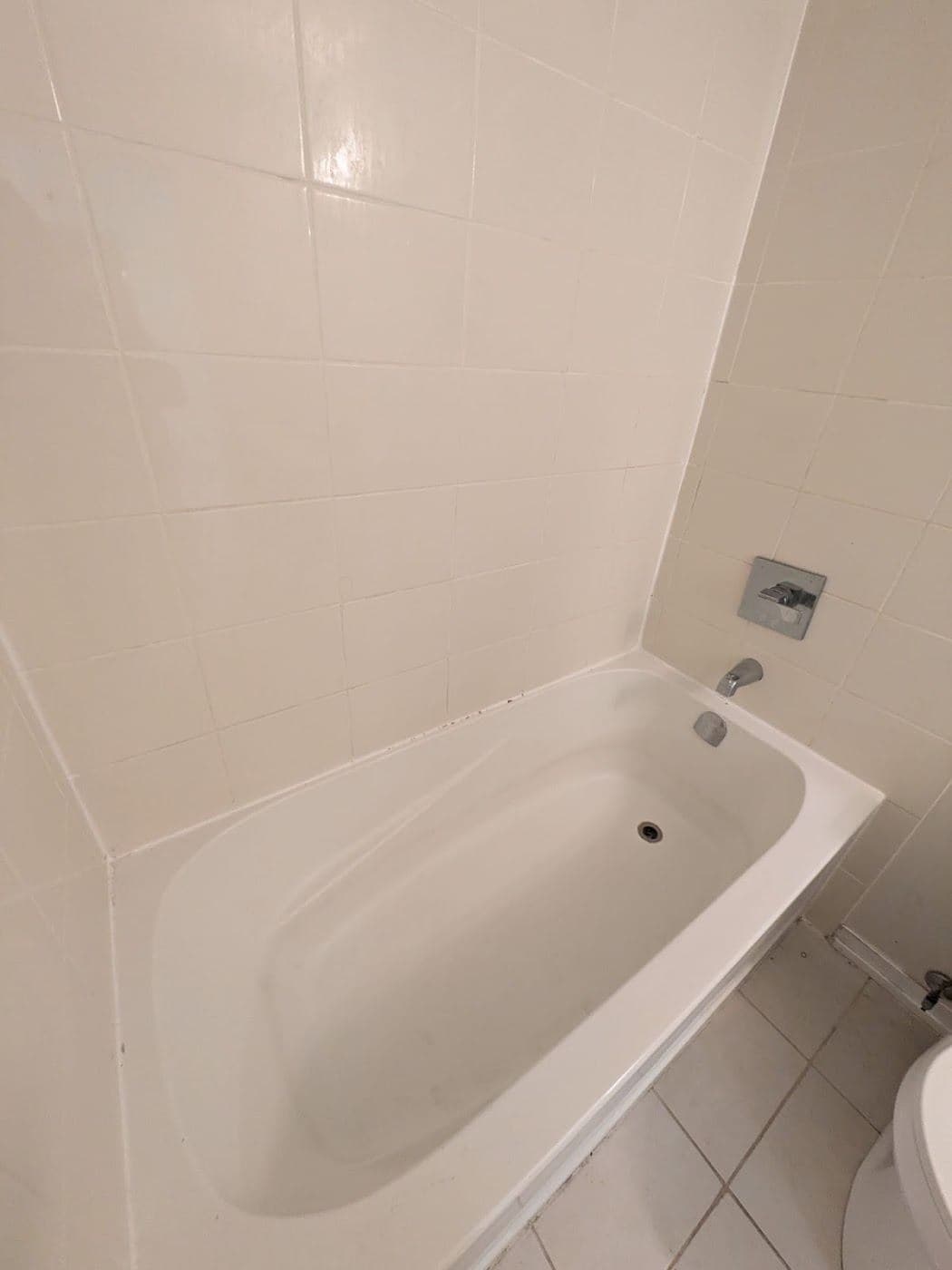
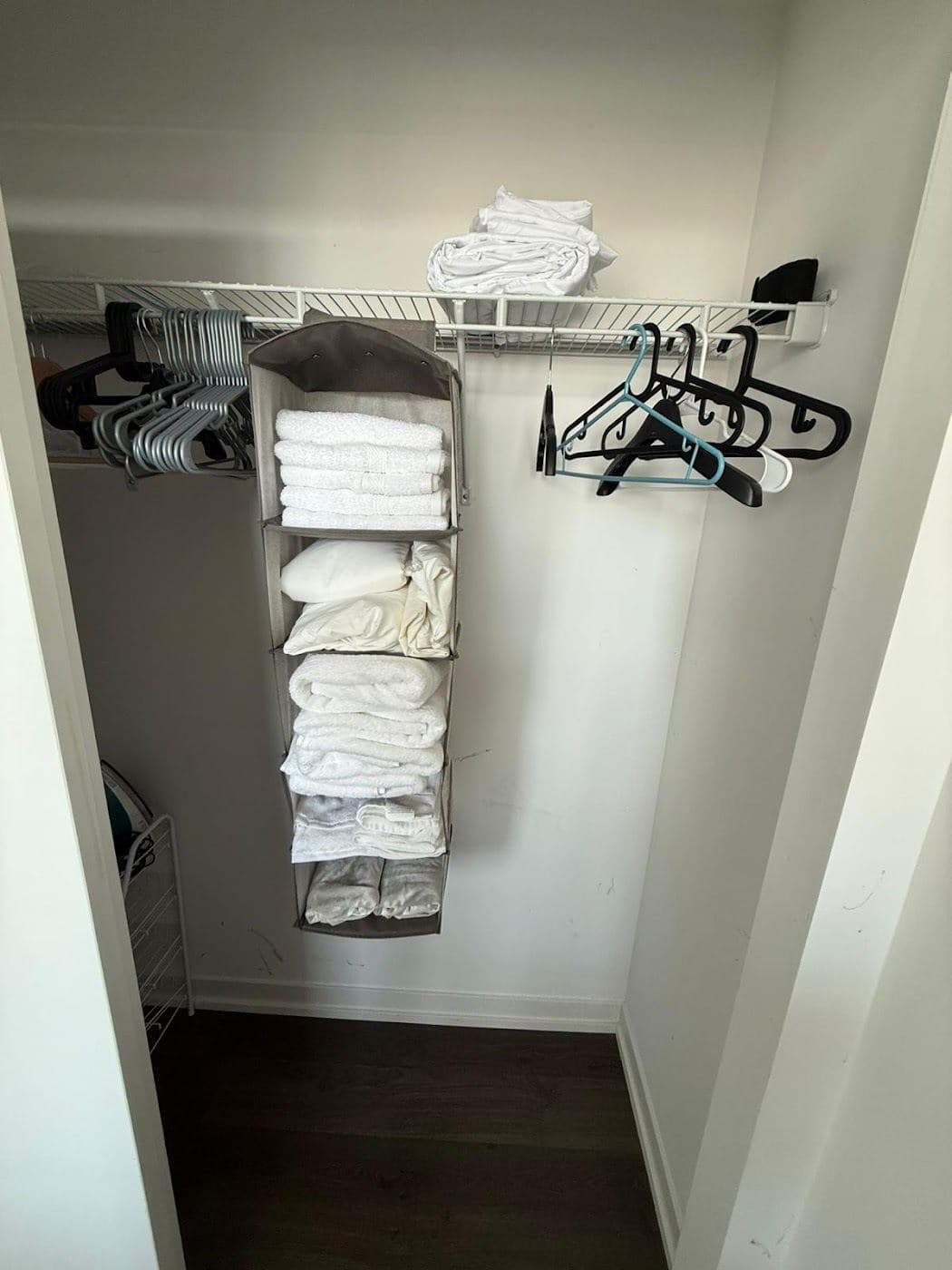
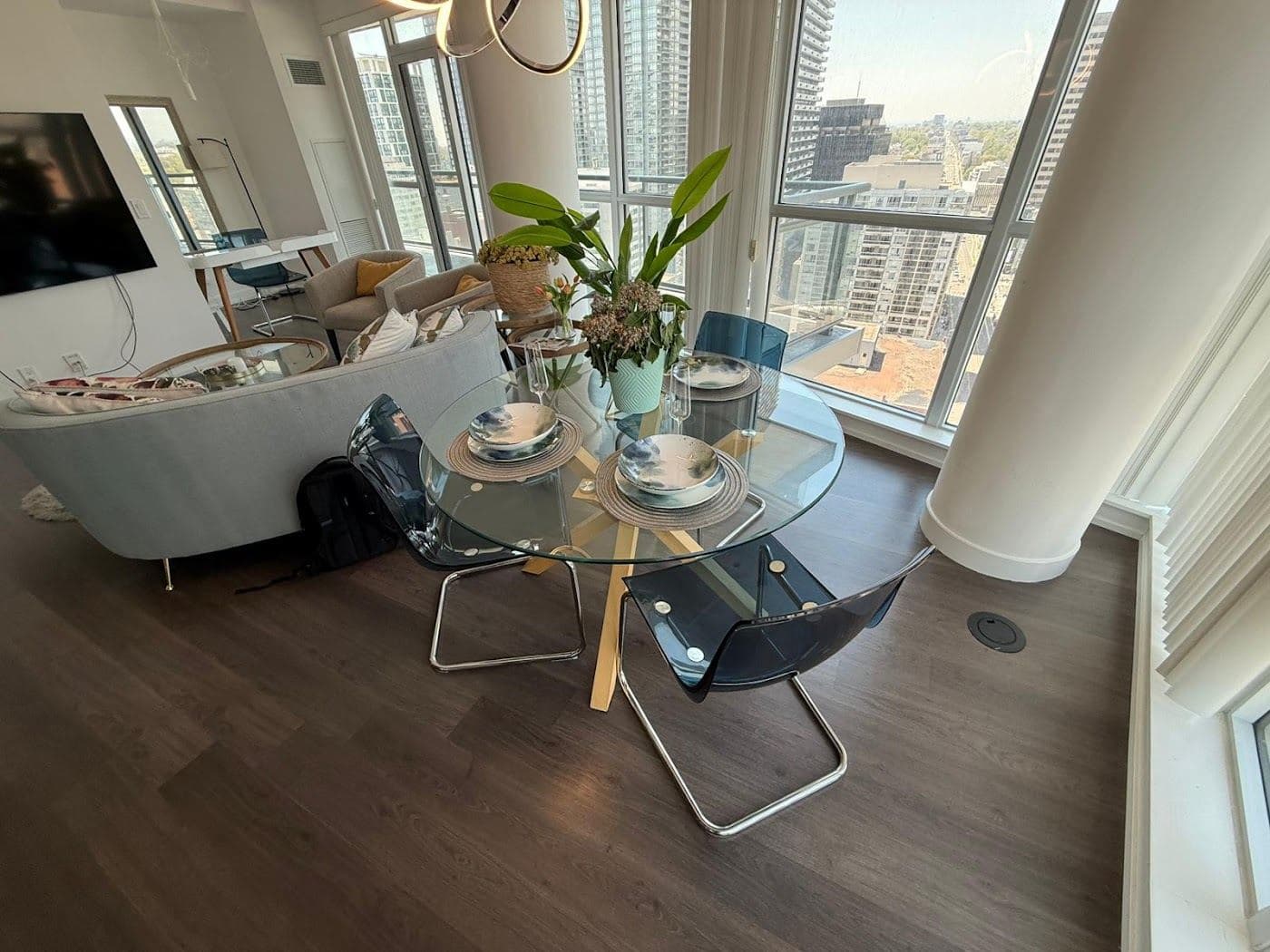
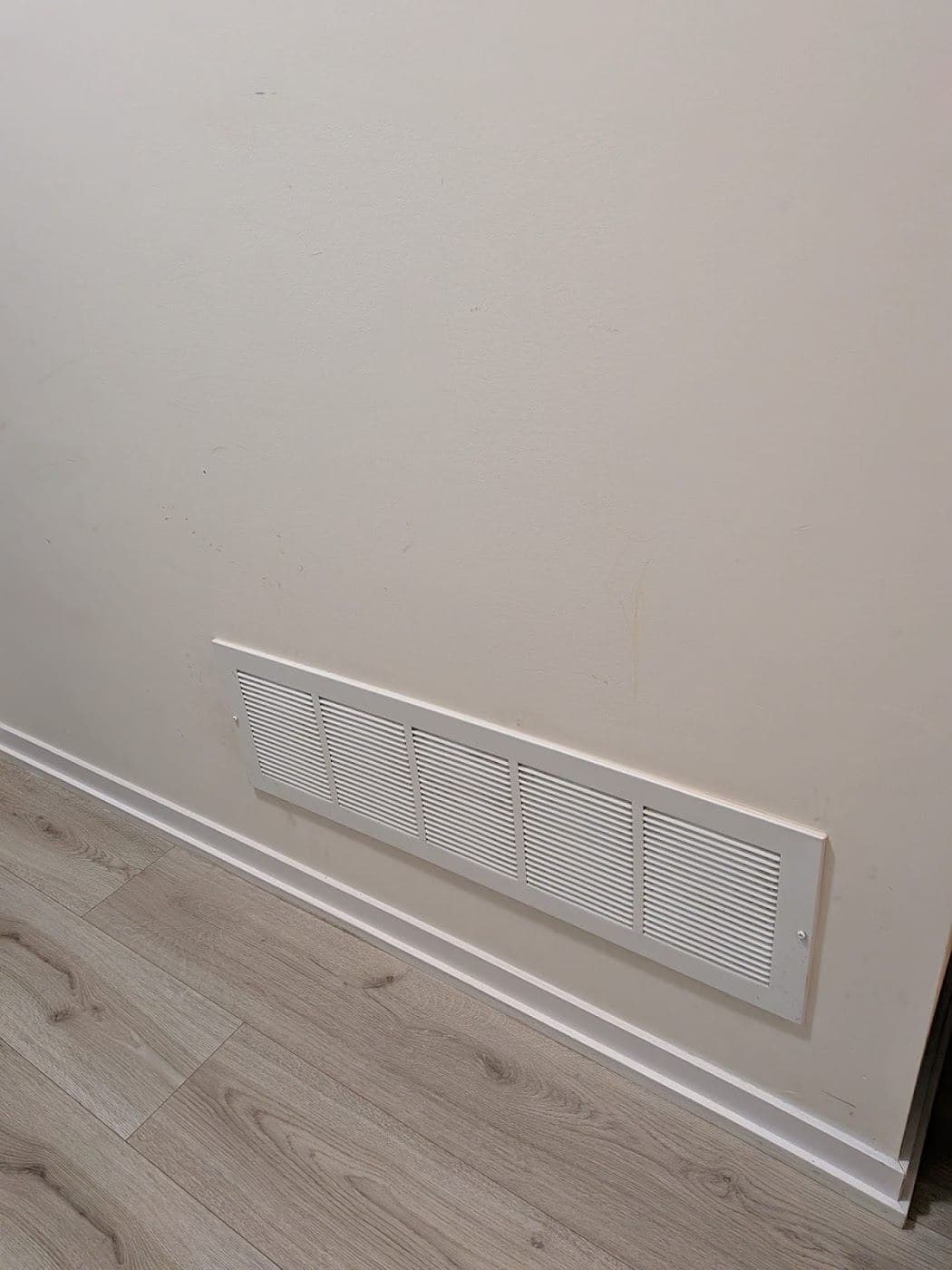
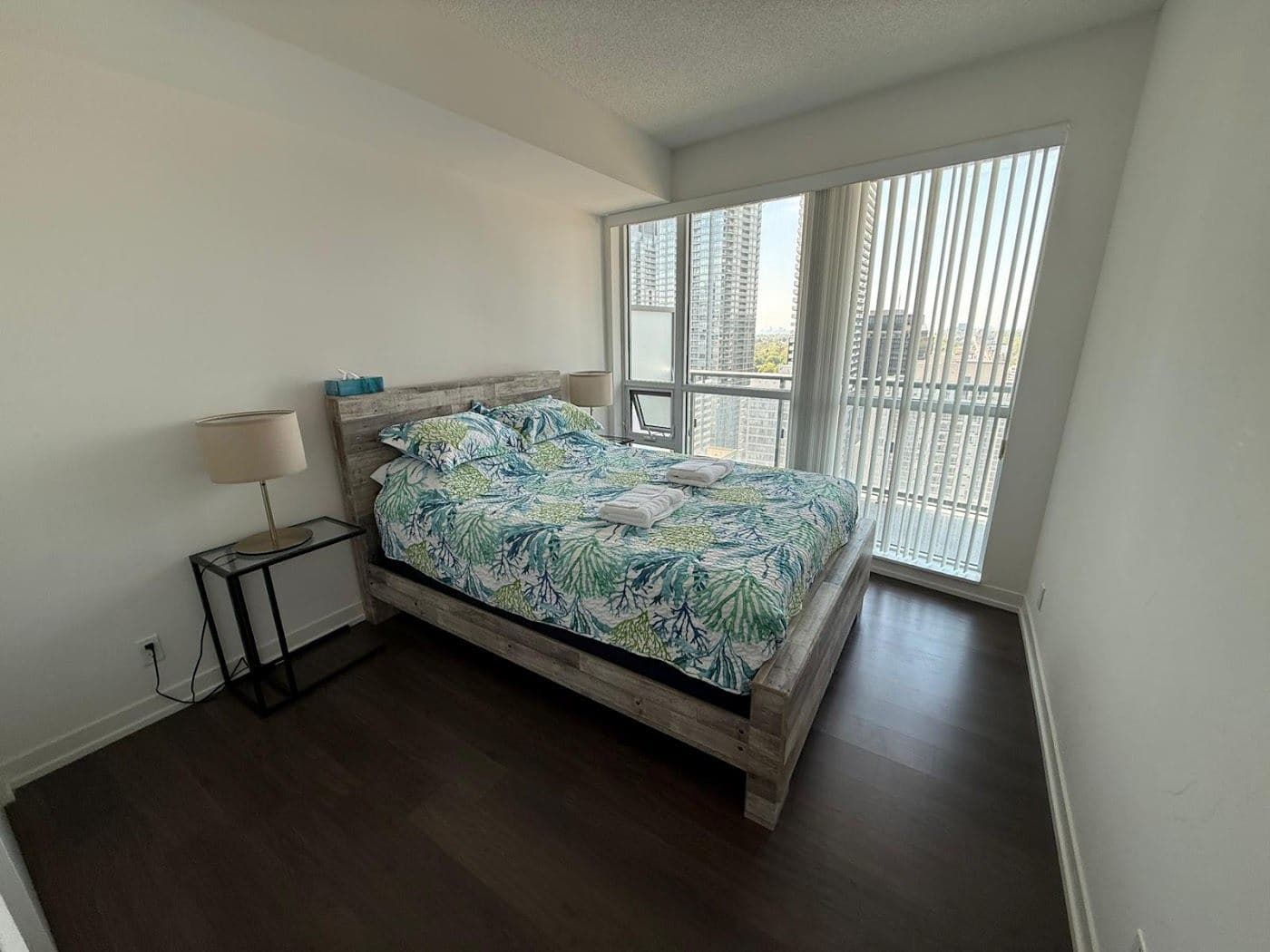
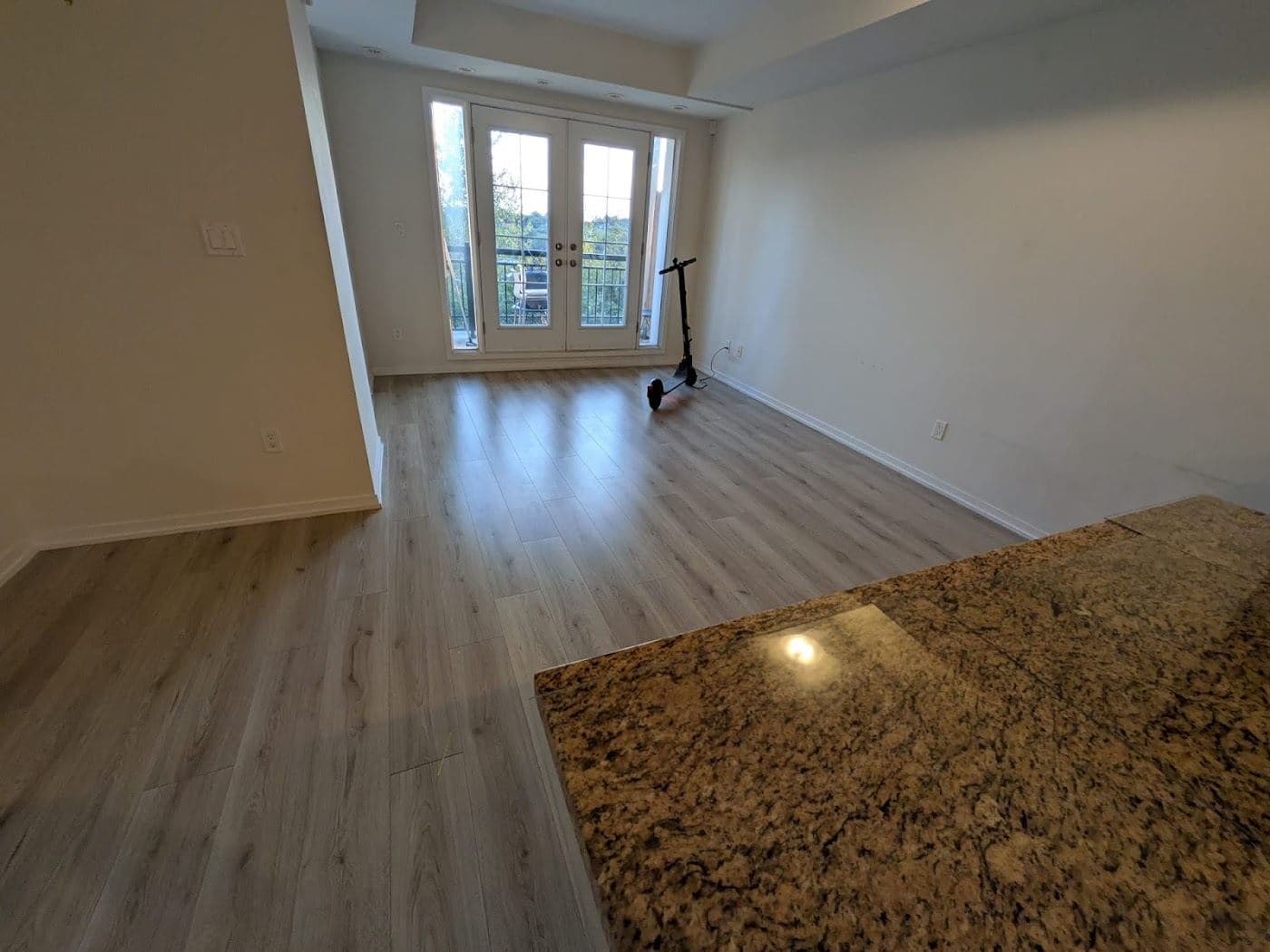
Photographs of work we have done
Move-out cleaning in Vaughan, Woodbridge and Concord.
Move-in and move-out cleaning in Vaughan and Toronto is the same clean either way: what an empty unit needs before a lease ends, a sale closes, or furniture arrives. Inside the appliances, cabinets, and closets. Baseboards, wall marks, floors.
- Inside the oven, fridge and dishwasher
- Inside cabinets, drawers and closets
- Baseboards, switch plates and window tracks
- Left dry and ready to inspect
Who it is for.
Choose this when a rental, condo, or house must be handed over empty on a fixed date, or cleaned before you move in.
Renters finishing a lease in Vaughan, Toronto, or the wider GTA. The unit has to pass a landlord inspection.
Owners handing over a sold property on a closing date. Furniture and boxes already gone.
Houses where the empty rooms need more reach than a routine visit gives.
Condo and apartment moves. The building adds elevator, entrance, and loading-window rules to the schedule.
Anyone moving in who wants the place cleaned while it is still empty.
What move-in & move-out cleaning includes.
Inside the oven, cooktop, range hood, fridge, and dishwasher. Each appliance gets its own care guidance.
Inside cabinets, drawers, pantry shelves, and closets. Shelf corners, rods, and the floor beneath them.
Baseboards, door frames, switch plates, light fixtures, blind slats, and window tracks.
Wall marks and scuffs, treated with the gentlest method the paint finish allows. Anything needing repair gets flagged instead.
Bathrooms, kitchen surfaces, and floors go last. The unit is left dry and ready to inspect.
How the visit is planned.
Scope first, then the date.
Share the details
Send the property type, size, bathroom count, and condition. Plus the date the keys change hands.
Agree what sits inside the scope
Appliance interiors, cabinet interiors, interior windows, blinds, plus any locker or balcony.
Plan the visit
The quote and checklist arrive before the visit. Book it after the movers, with room to spare before the inspection.
An empty home changes what the cleaning has to reach.
A move-out clean is not a regular visit done faster. Once the furniture and boxes are gone, the work moves to everything a lived-in home keeps hidden: inside the oven, fridge, and dishwasher, inside every cabinet and drawer, along closet shelves and rods. The marks where a bed or a picture hook used to sit are part of it too.
The trade-off runs both ways. Nothing has to be lifted, so the sequence is faster and more predictable than a clean in an occupied home. But every surface is visible now. A landlord, a property manager, or a buyer walks an empty room the way an inspector does, ceiling corners to closet floors.
Inside the appliances
Oven, cooktop, range hood, fridge including the door seals, and the dishwasher interior. All cleaned to the manufacturer's guidance.
Inside the storage
Cabinets, drawers, pantry shelves, closet rods. Plus the shelf corners that only become reachable once the unit is empty.
Edges and fittings
Baseboards, door frames, switch plates, light fixtures, blinds, window tracks. And the wall marks furniture leaves behind.
Book the clean for after the movers leave.
Work backwards from the moment the keys change hands. The real question is how much room sits between the last box leaving and the inspection. The clean wants to happen inside that gap: late enough that the unit is empty, early enough that floors dry and a calm walkthrough is possible.
A half-packed unit costs more and finishes worse. Boxes and leftover furniture mean the same counters get cleaned twice while the surfaces underneath stay untouched. Painters and repair trades should finish first. In a condo the building sets part of the schedule too, because the elevator reservation and loading-dock window govern the cleaning as well.
Work back from the handover
Fix the key-return or closing time first. Then place the clean far enough ahead for drying time and your own walkthrough.
After the truck, not before
A unit still holding boxes forces duplicated work. Floors, walls, and closets behind the boxes stay untouched.
Book the building too
Condo and high-rise moves run on elevator reservations, service entrances, and garbage rules. The cleaning has to fit around them.
Move-out work is quoted after the scope has been seen.
The starting prices published elsewhere on this site cover Airbnb turnover, regular cleaning and recurring cleaning. Move-out cleaning is not on that list. An empty two-bedroom looked after through the tenancy and an empty two-bedroom carrying three years of oven buildup and marked walls are the same size on paper and nothing like the same job.
The quote follows a look at the real scope. Size and layout set the baseline. Condition moves it the most. Then it comes down to whether appliance and cabinet interiors are in or out, and whether the unit will be empty. A clean removes soil. It cannot repair failed caulking, worn fixtures, or permanent staining. Those get pointed out, not scrubbed.
Size and layout
Room and bathroom count. How many cabinets and closets. And whether a locker, balcony, or garage is part of the handover.
Condition
Cooking residue, soap scum, dust, pet hair, wall marking. How much has built up since the last thorough clean.
Included detail
Appliance interiors, cabinet interiors, interior windows, blinds. Inside this visit, or handled separately?
Move-in & move-out cleaning questions.
What cleaning is a tenant actually required to do when moving out in Ontario?
There is no universal checklist, and a professional clean is not usually required. Belongings and garbage out. Appliances, cabinets, bathroom fixtures, and floors left roughly as you found them, allowing for normal wear. Read your own lease. Photograph every room after the movers leave.
What is the difference between deep cleaning and move-out cleaning?
Both go beyond a routine visit. A deep clean targets built-up soil in a home you still live in. A move-out clean is for an empty unit facing a handover. A neglected unit can need both, so move-out cleaning is quoted after the condition has been seen.
What is included in a move-out cleaning?
A move-out clean covers the surfaces a lived-in home hides. Inside the oven, fridge, and dishwasher. Inside cabinets, drawers, and closets. Wall marks get the gentlest method the paint allows; anything needing repair is flagged. It does not cover anything still holding boxes or furniture.
How much does it cost, and what changes the price?
Four things. Size of the unit. What condition the movers left it in. How much detail work you want in scope. Whether trades still have to come back. The work is quoted after the scope is reviewed, since the published starting prices cover Airbnb turnover, regular, and recurring cleaning.
Do you handle apartments and condos?
Yes. Apartment and condo move-out cleaning is the most common version of this job in Toronto and Vaughan. The unit type changes the logistics, not the work: elevator booking, a service entrance, a loading-dock window, parking. Send the building's rules with the unit details.
Do you do move-out cleaning in Woodbridge, Concord and the rest of Vaughan?
Yes, and across Toronto. SpotlessCo is based in Vaughan. For a condo near VMC station in Concord, include the building's move elevator slot so the clean lands after the truck. For a Woodbridge house, list any basement or garage to be emptied. Availability is confirmed for your postal code.
Does the unit need to be empty before you arrive?
Wherever possible, yes. Boxes and remaining furniture leave the surfaces underneath untouched. The same areas also get cleaned twice. Book the visit after the movers, the painters, and the repair trades have finished.
Is a move-out clean the same as a deep clean?
They overlap. The goal differs. A deep clean tackles buildup in a home that is still lived in. A move-out clean covers an empty unit against a handover. Heavy buildup in an empty unit can need both kinds of time, which the quote accounts for.
Do you offer a move in cleaning service as well?
Yes. It is the same visit, run the other way. Toronto move-in cleaning gets the same empty-unit advantage: appliance and cabinet interiors somebody else used. Moving cleaning services are easiest to schedule as a pair, so send both addresses and both key dates together.
Inspect on the way out, and take the same window on the way in.
Do the final inspection once the home has dried, in good daylight. Enter each room the way an inspector would. Scan clockwise, ceiling to floor. Open the cabinets, drawers, appliances, and closets as you go, and check that the garbage and recycling left by the route the building permits.
Then point the same job the other way. A clean of the new place before you move in is the identical scope. Cabinet interiors, appliance interiors, closet floors, baseboards: everything is reachable in one pass, for exactly as long as the unit stays empty. A vacant unit staged for showings has usually been tidied, not cleaned.
Inspect the way they will
Walk each room clockwise, ceiling to floor, in good light. Open cabinets, appliances, and closets on the way through.
Clear it by the building's rules
Garbage, recycling, and bulky items usually leave by a route the building sets. Not by the nearest bin.
Book the new place empty
An empty unit is the only time everything is reachable in one pass. Schedule the visit ahead of the truck, not after it.
Ask for a quote.
Property, rooms, date.
Then a real number, not a range.
Send the details and SpotlessCo replies with a quote built from your actual rooms.
Prefer to talk it through? Call (647) 773-6959, or reach us through the contact page.
Tell us what you need cleaned or organized.
Say which rooms matter most.
Scope and price confirmed first.