Condo and Apartment Cleaning in Toronto, Vaughan, and the GTA. Like it’s brand new.
Condo cleaning services for suites and apartments. The elevator booking, the concierge desk, one bathroom, not much storage.
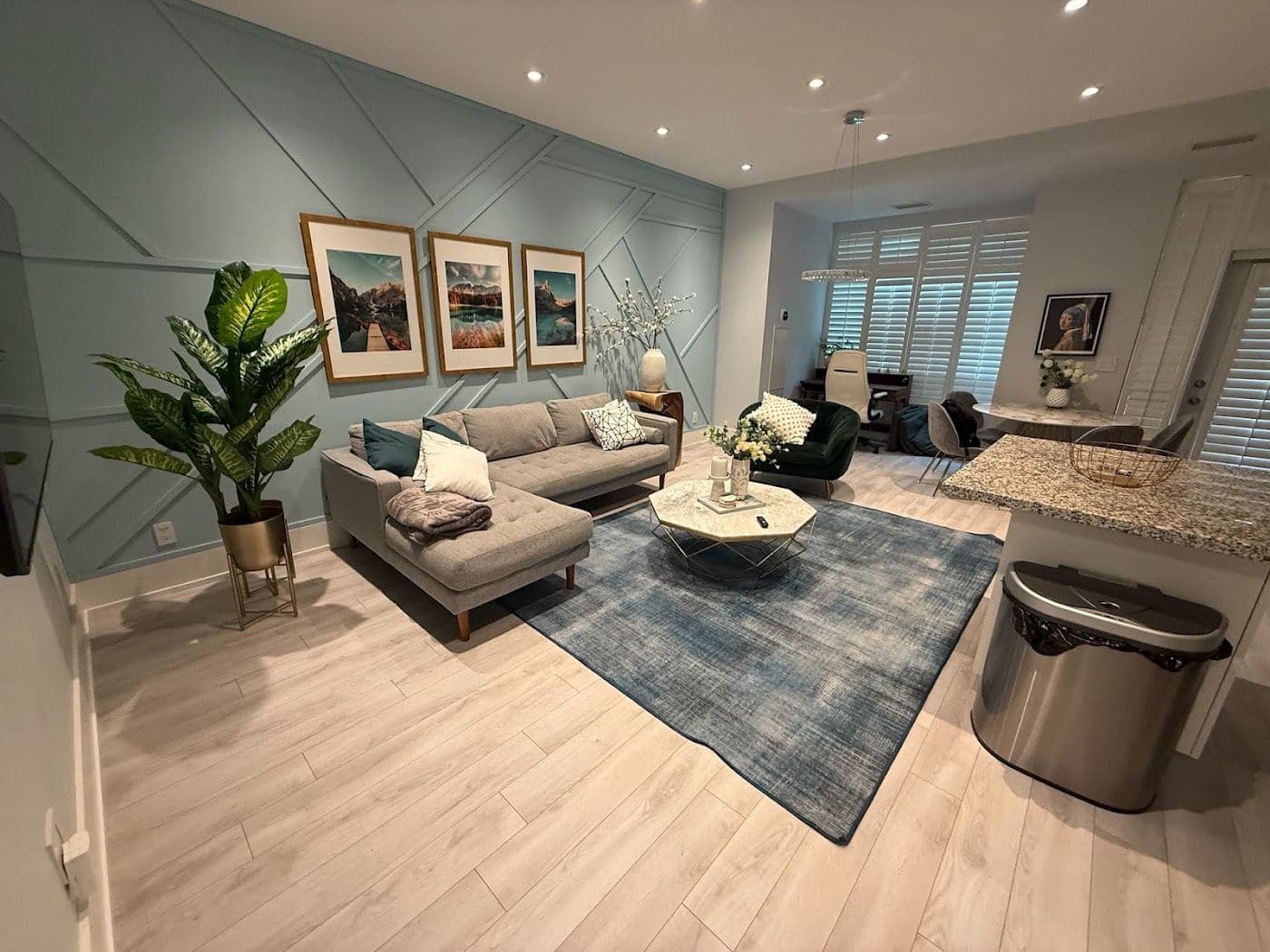
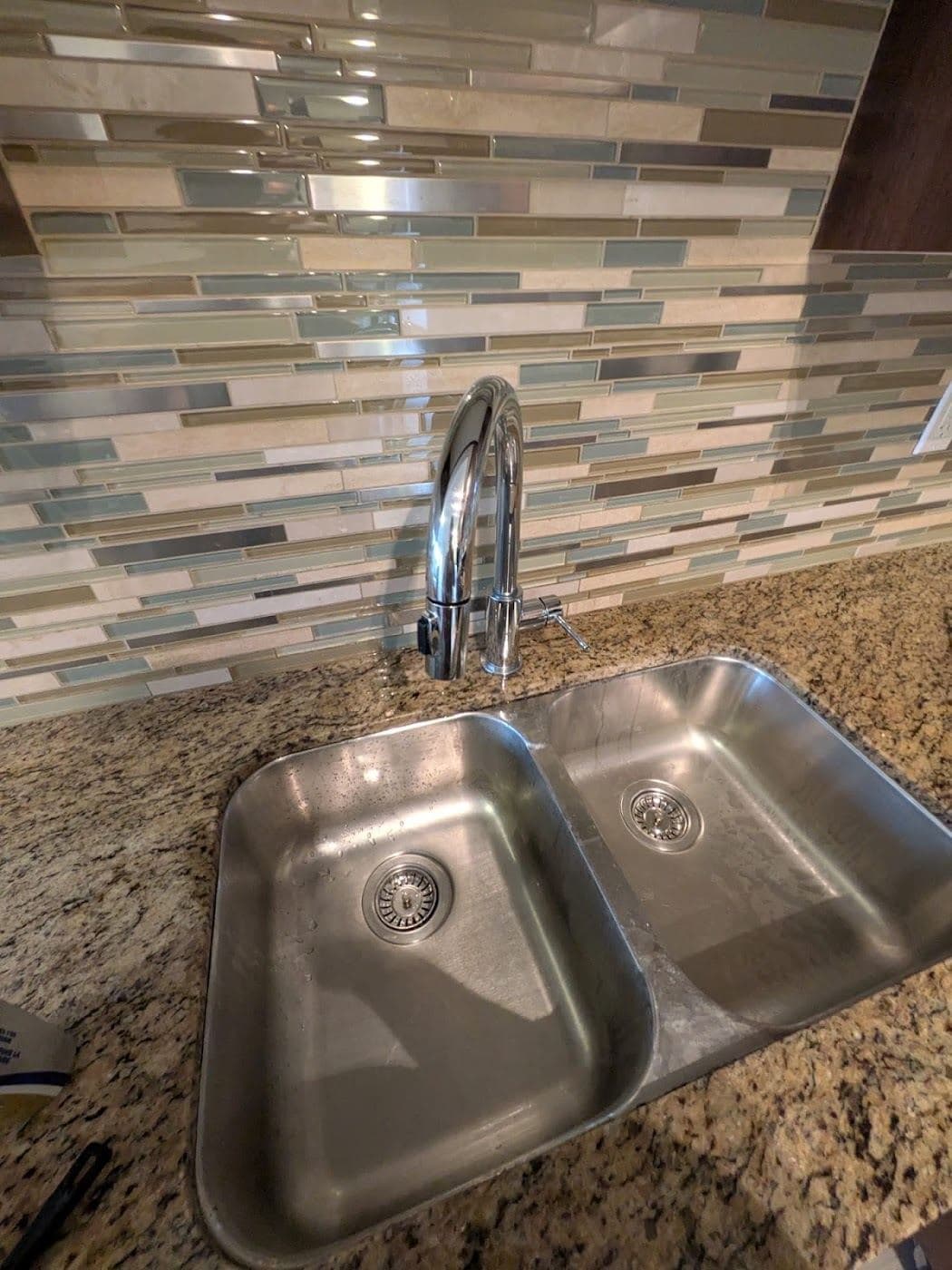
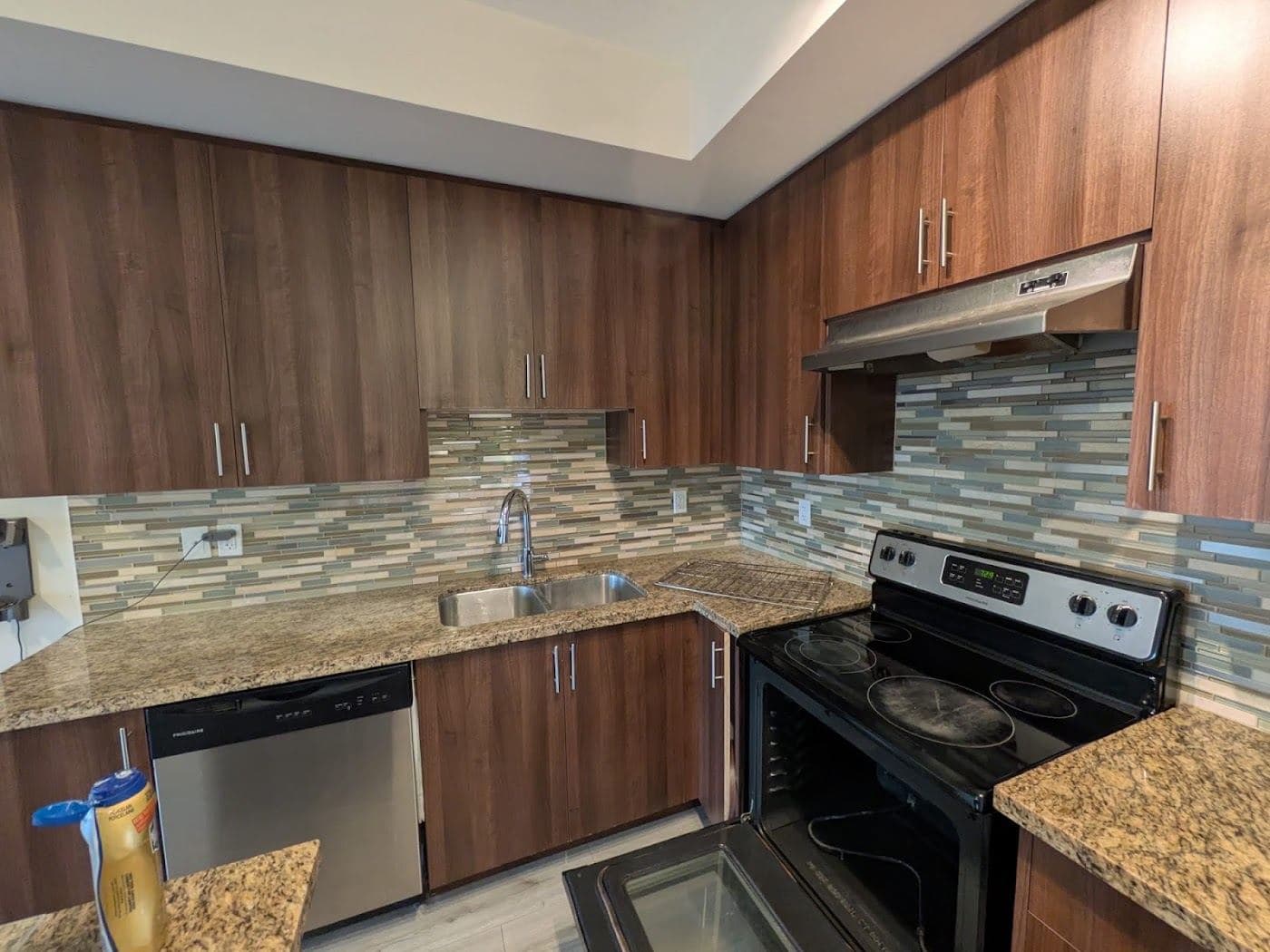
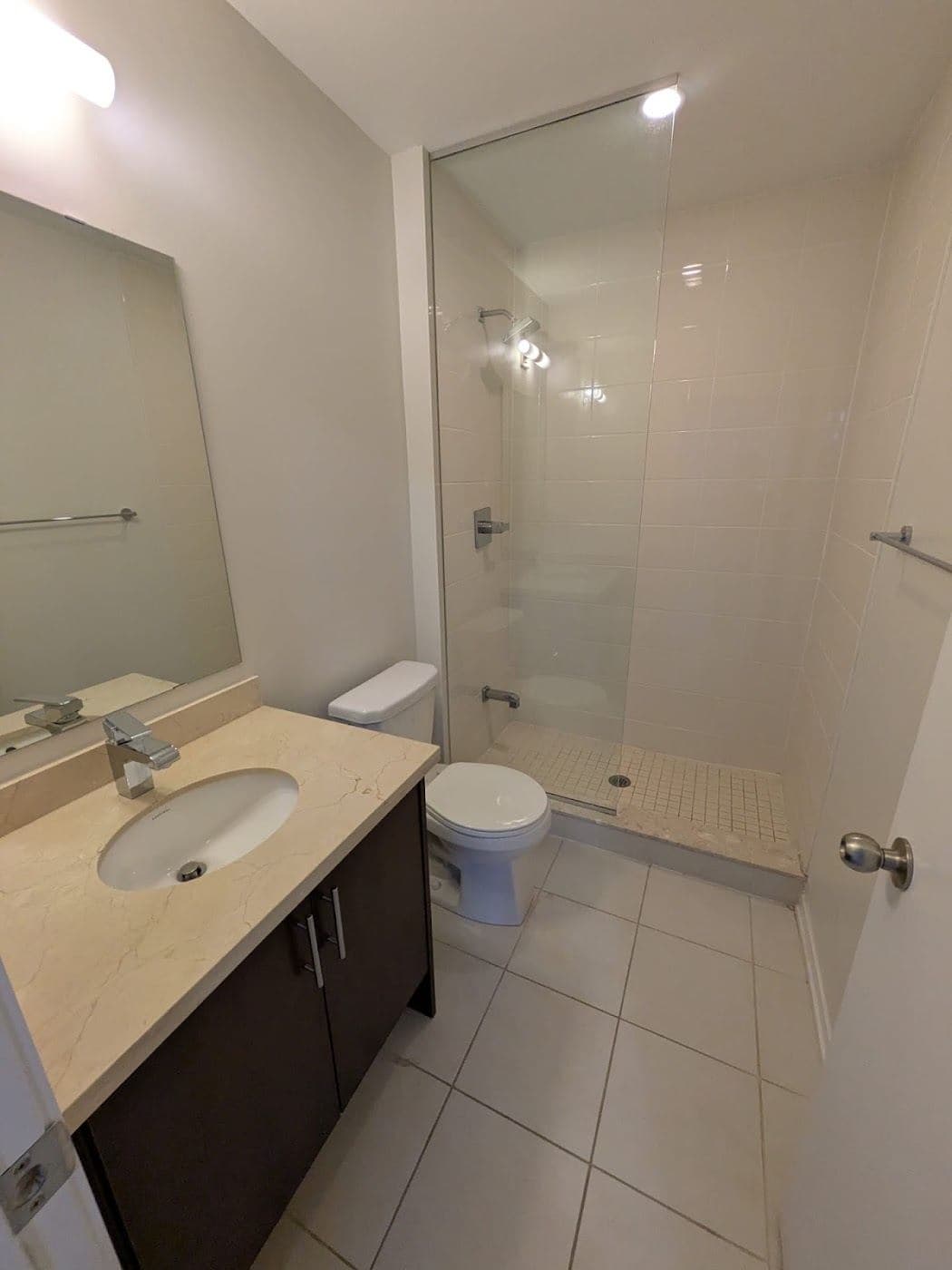
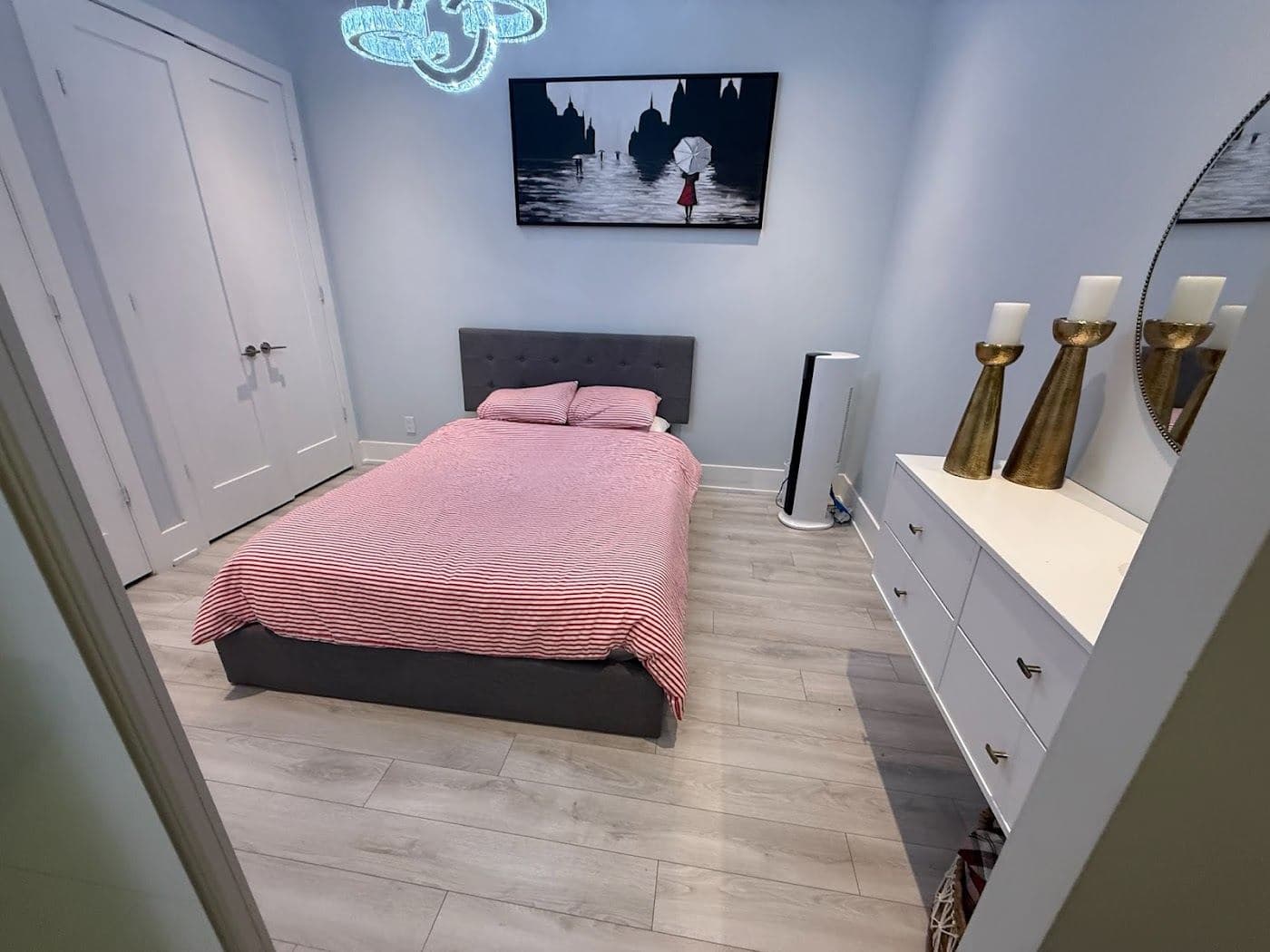
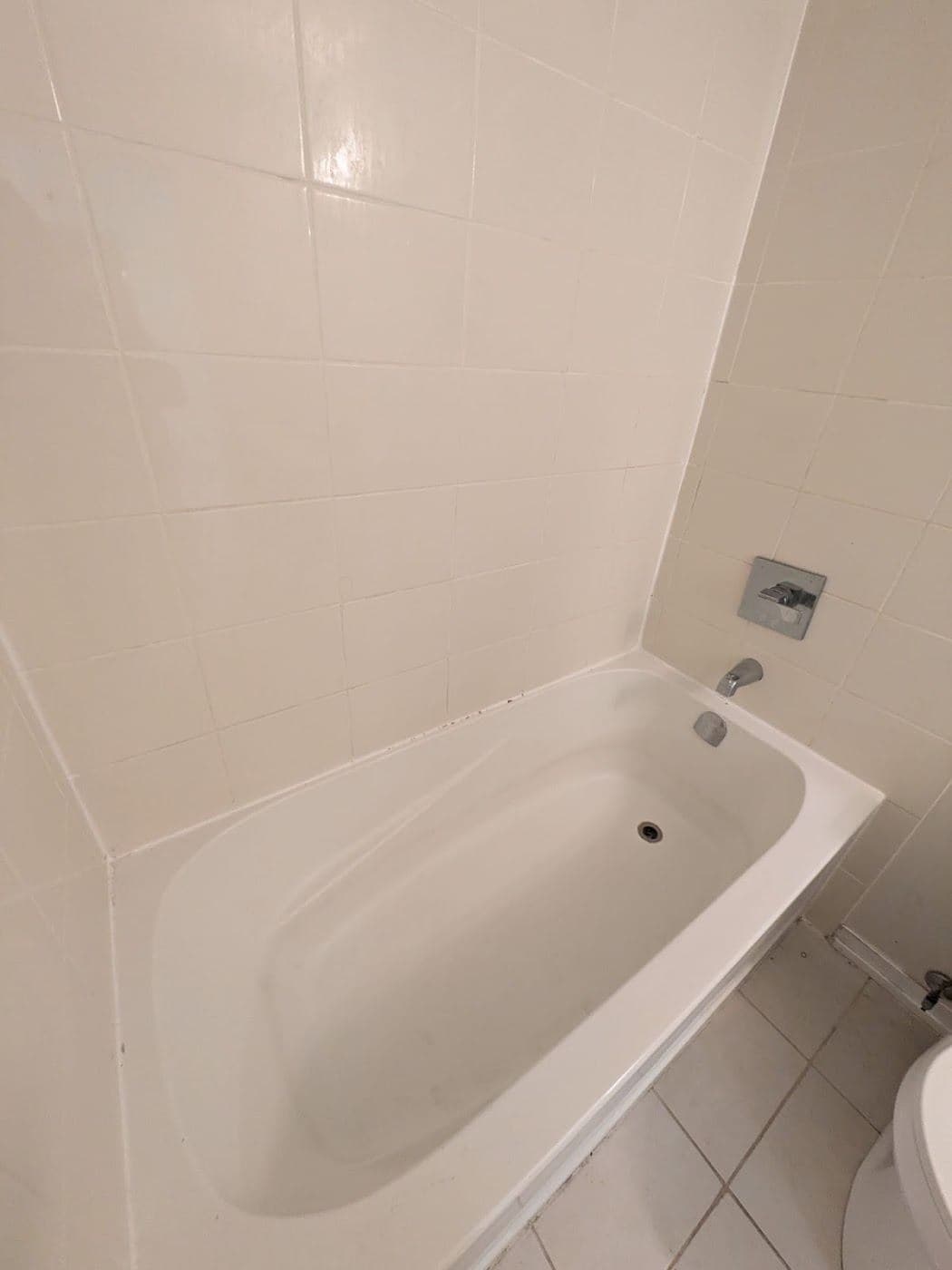
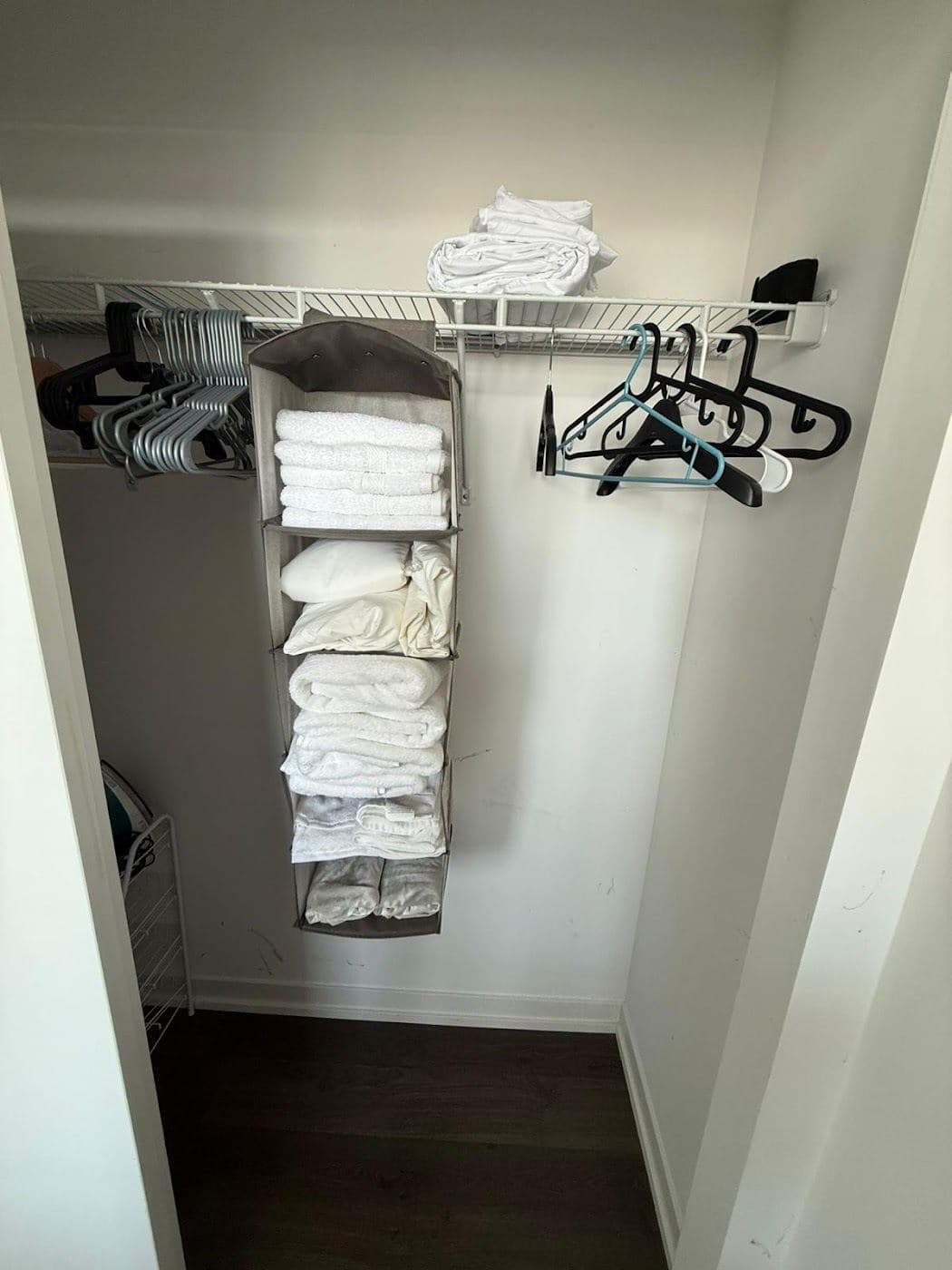
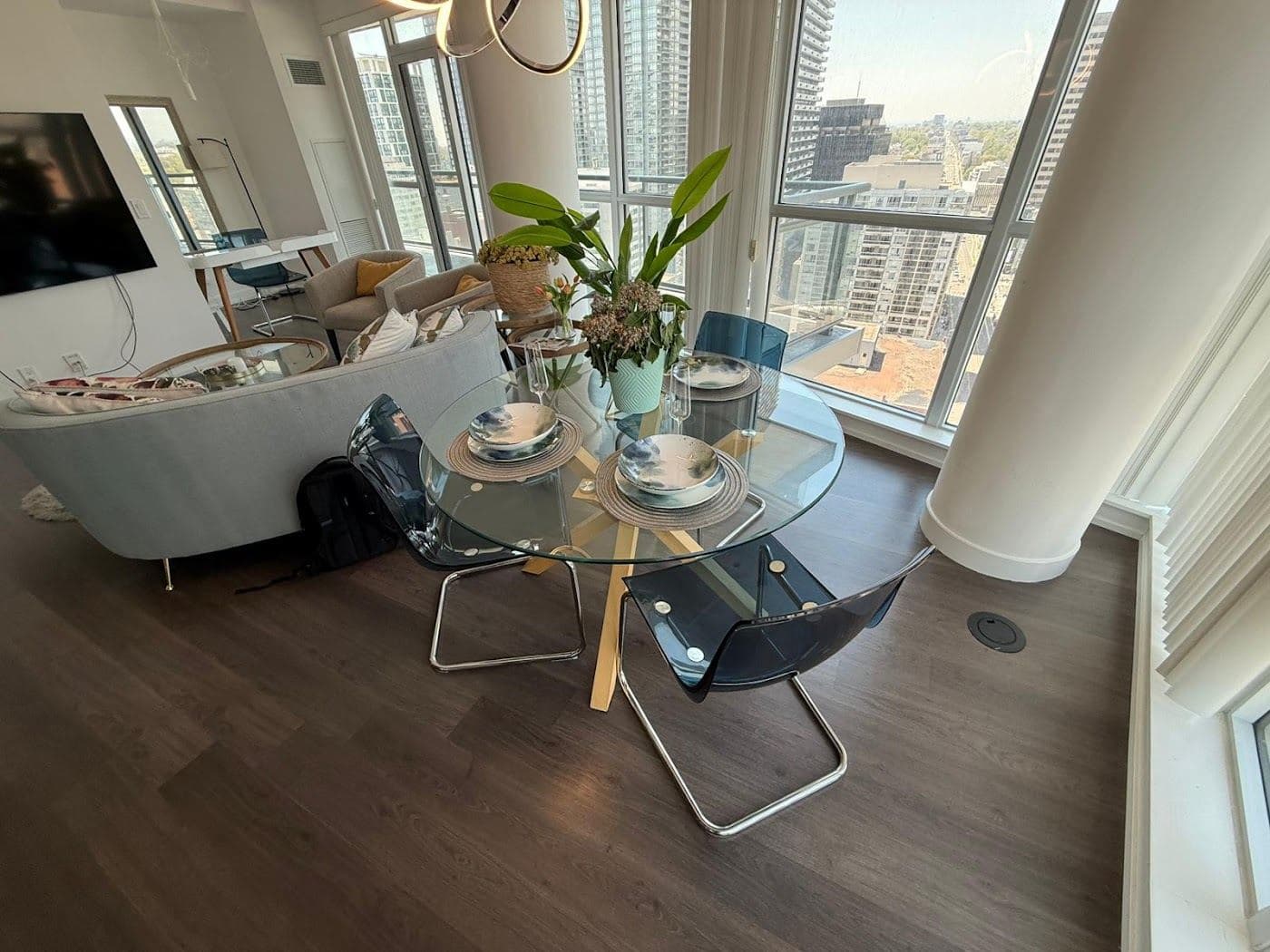
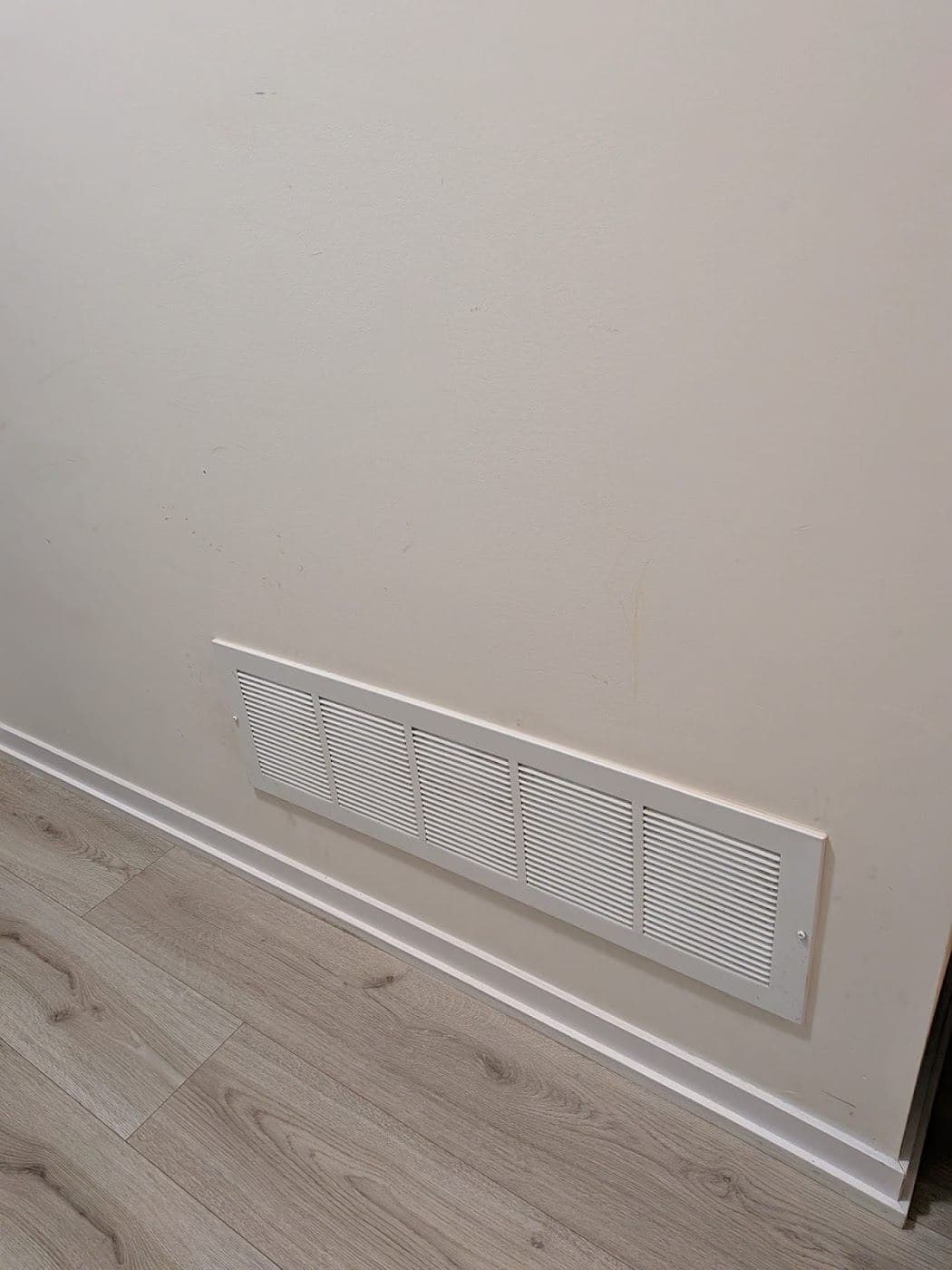
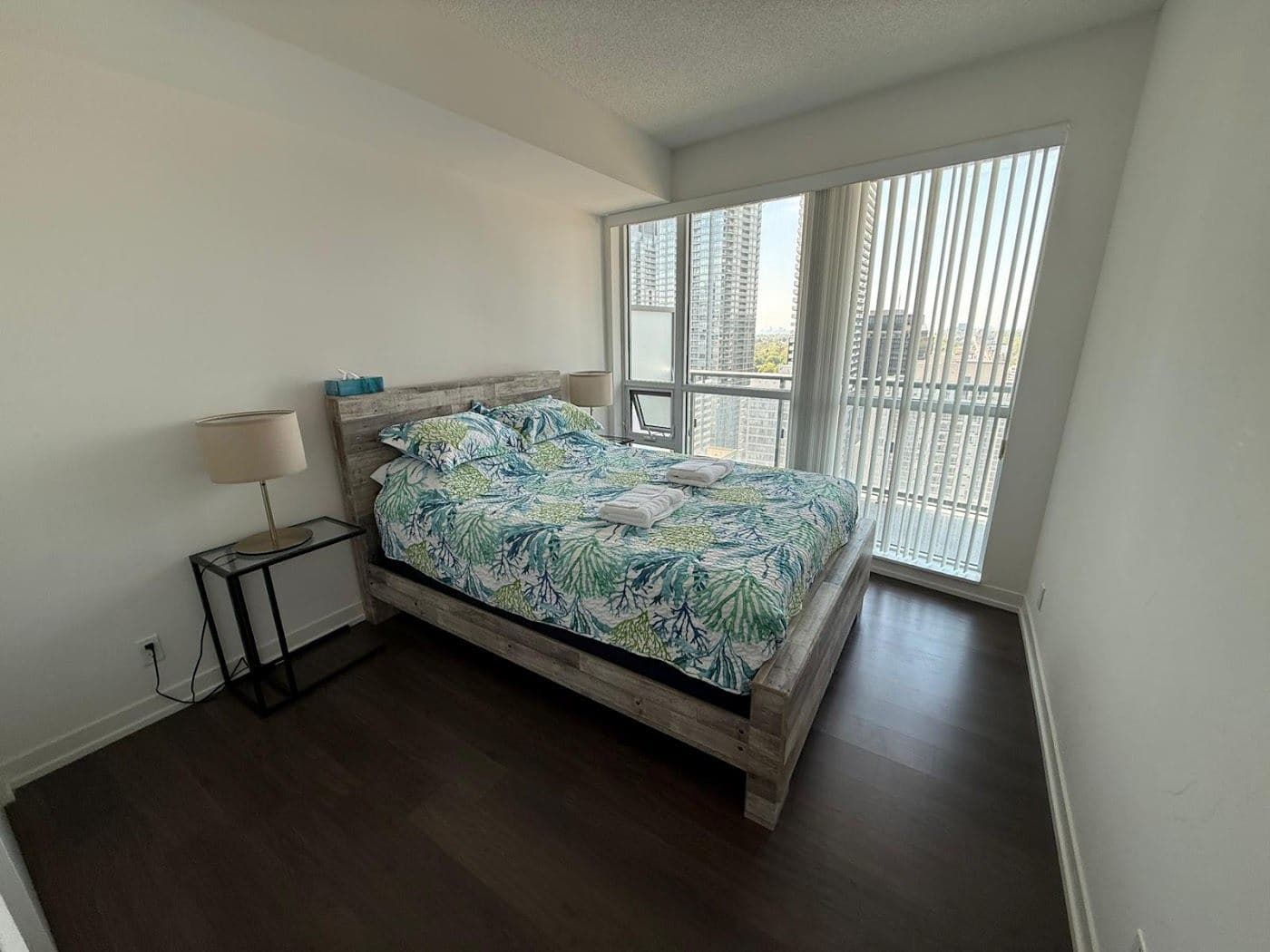
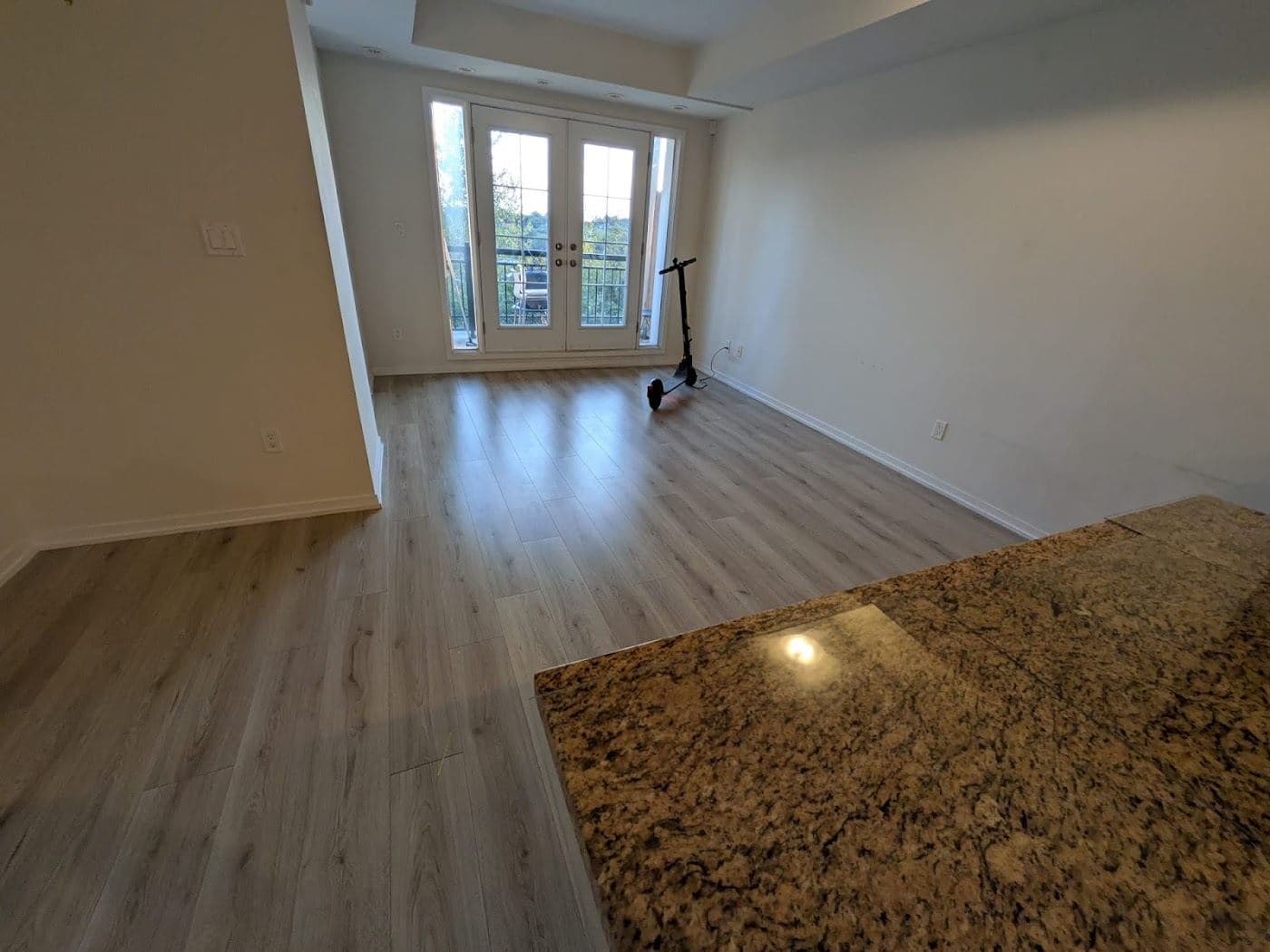
Photographs of work we have done
Condo cleaning in Toronto, Vaughan and Concord.
Condo cleaning services in Toronto and Vaughan are built for high-rise suites, rentals and smaller homes, including the towers of the Vaughan Metropolitan Centre in Concord. The suite is only half the job. Elevator booking, the loading dock, concierge sign-in, one closet of storage: all of it shapes the visit.
- Kitchen and bathroom, sized to the unit
- Floors vacuumed and mopped
- Door handles and light switches
- Building access planned before the day
Who it is for.
Pick this for condos, high-rise suites, apartments, rental units. Also for a smaller home that needs a reset before a move.
Condos and apartments across Vaughan, Toronto, the wider GTA. Kitchen, bathroom, floors, the surfaces that show dust first.
High-rise residents. The visit has to be planned around the elevator booking and the concierge desk.
Renters facing an inspection, a guest, or a move date.
Smaller homes, where the order of the work matters more than the size of the crew.
What condo & apartment cleaning includes.
Kitchen and bathroom cleaning sized to a compact condo layout.
Floors vacuumed and mopped, surfaces dusted. Plus the door handles and light switches everyone touches.
Access sorted before the day: elevator booking, loading dock, parking, concierge.
Optional add-ons for appliance interiors or an extra detail area.
How the visit is planned.
Scope first, then the date.
Tell us the building
Then how access works, and which rooms come first.
Confirm the scope
Confirm the scope and any add-ons before the visit.
Plan the visit
The finished checklist becomes the plan for future apartment cleaning.
Condo & apartment cleaning prices.
These starting prices cover Airbnb turnover cleaning, regular cleaning, and recurring cleaning in Vaughan, Toronto, and the wider GTA. Each figure is a starting point rather than a fixed quote. The final quote depends on the size of the home, its condition, and how often you book.
| Property | Starting price |
|---|---|
| 1-bedroom apartment | from $90 |
| 2-bedroom apartment | from $120 |
| 3-bedroom apartment | from $140 |
| Townhouse (3 bed, 2.5 bath) | $150–$200 |
Most visits work out to about $45–$50 per hour, which is the same pricing expressed by the hour: a 1-bedroom home starting at $90 is roughly two hours of work. Deep cleaning, move-out cleaning, and post-construction cleaning are not covered by these starting prices and are quoted separately once the scope has been reviewed.
Plan the route to the suite before planning the rooms.
Condo cleaning starts before anyone reaches your door. In a Vaughan or Toronto high-rise that means visitor parking, the loading dock, concierge sign-in, service-elevator rules, and whoever holds the key. The towers at Highway 7 and Jane Street sit at the northwest end of Line 1, which reached them in December 2017. Around the Vaughan Metropolitan Centre they run the same booked service elevator and concierge desk as a downtown building. Older walk-ups are a different problem. Street parking. A side entrance nobody finds first time. Send the building name, the buzzer code, and the unit number.
The building's rules matter once anything crosses a shared floor. If the service elevator needs reserving, confirm the window. Say where parking is allowed. For a tenanted unit, arrange entry with the person living there a few days ahead. A visit that starts on time is the only kind that finishes on time.
High-rise access
Concierge sign-in, buzzer details, elevator booking, the dock, visitor parking. Settled before the day, not on the morning.
Shared amenities
The building handles corridors, lobbies, and the gym. A visit covers your suite. Name a locker or balcony in the quote request to include it.
Walk-ups and houses
Stairs, a separate entrance, street-only parking, a door nobody finds first time. Say so before arrival.
Rental coordination
The resident needs to know the timing. Keys or entry permission get settled well in advance.
Use limited space to sharpen the priorities.
A smaller floor plan is not a smaller job. An open kitchen pushes cooking film into the living area. A 550-square-foot suite with a dog can take longer than a three-bedroom house where half the rooms sit unused. So the quote follows layout, condition, and how much of the suite can be reached. Bedroom count says little.
Choose the scope by what makes the place feel unsettled. If it is the kitchen and the bathroom, protect the time for those two first. If the same clutter keeps coming back, cleaning will not restore the room. That is a storage question. Keep the two separate, so each visit has one clear purpose.
Kitchen concentration
In a galley kitchen the counters, the appliance fronts, cabinets and floor are all one small zone.
Single-bathroom traffic
One bathroom used by everyone can deserve more of the visit than its size suggests.
Compact storage
Condo storage is one closet, a shallow pantry, a locker down the hall. When belongings block the surfaces, that is an organizing question.
Make every reachable surface count.
Preparation in an apartment is mostly about making room to work. Secure the valuables, documents, and fragile things. Then collect the loose belongings, since every item handled twice is time out of the bathroom. Decide in advance whether dishes, laundry, or recycling sit inside the scope. Those three are the most common source of a disagreement afterwards.
Point out anything that looks ordinary and is not. A countertop that cannot take an acid cleaner. If the clean is tied to a move, say what stage the unit is at. A few photos separate an apartment clean from a packing job or a full move-out cleaning.
Create working room
Gather the small stuff so the counters, sinks and floor paths are reachable without being handled twice.
Plan for occupancy
Pick somewhere the residents and the pets can settle while rooms get finished in order.
Describe move status
Furnished, packed, empty, or somewhere in between. Say which, so the visible scope is understood.
Say if guests stay here
A suite hosting paying guests gets reset against a checkout-to-check-in deadline, with linens changed and supplies restocked. A different visit from a resident's condo clean.
Condo & apartment cleaning questions.
Do you clean condos and high-rise apartments?
Yes. Send the service-elevator booking rules, loading-dock access, concierge sign-in, parking, and the buzzer before the appointment. A suite is straightforward; the building around it is where the time goes. An elevator booked by a mover at eleven can take a whole visit apart.
Do you offer condo cleaning in Vaughan, including the VMC towers in Concord?
Yes. The Vaughan Metropolitan Centre sits in Concord around the Line 1 terminus, open since December 2017, and Transit City's first three 55-storey towers there were finished by July 2022. Those suites get the same plan as a Toronto condo: elevator booking and concierge sign-in first, then kitchen, bathroom and floors.
Can condo or apartment cleaning be recurring?
Yes. Plenty of condo and apartment clients run biweekly or monthly. What decides it is the size of the suite and how hard it gets used. A one-bedroom holding two people and a cat can need more of a fortnight than a quieter two-bedroom.
Can you help before moving out?
Yes. A move-related clean can focus on what an inspection looks at: kitchen, bathroom, floors, inside the cabinets. If the suite will be empty at handover, move-out cleaning is the closer fit. That work is quoted on scope instead of from the starting prices.
What if the suite is rented out instead of lived in?
It depends on who arrives next. A tenant changeover in an empty suite is closest to move-out work, and it is quoted on scope. A suite booked by short-stay guests is a turnover: a checkout-to-check-in deadline, linens remade, supplies restocked. Say which one you need.
Keep a small home from feeling full again.
In a small suite a few surfaces decide how the whole place reads. The kitchen counter. The dining table. The bathroom vanity. The floor inside the door. Keep those four available and the apartment looks maintained. One basket for things that belong elsewhere does more than extra wiping. Deal with cooking splashes and bathroom moisture early.
Watch how fast dust and floor debris come back. Pets, heavy cooking, and open windows each move the interval by a week. If everything is fine except one demanding room, adjust the checklist around that room. Recurring apartment cleaning can stay focused. An occasional deep clean picks up the rest.
Protect visible surfaces
Keep a few counters and tables clear. In a small suite that alone makes the place read calmer.
Control the entry
Shoes, bags, wet boots, whatever came off the street. Contain it at the door before it crosses the floors.
Rotate deeper work
Book the lower-frequency detail separately. It crowds out the core work on a compact maintenance visit.
Ask for a quote.
Property, rooms, date.
Then a real number, not a range.
Send the details and SpotlessCo replies with a quote built from your actual rooms.
Prefer to talk it through? Call (647) 773-6959, or reach us through the contact page.
Tell us what you need cleaned or organized.
Say which rooms matter most.
Scope and price confirmed first.