Decluttering and Home Organizing in Toronto, Vaughan, and the GTA. Like it’s brand new.
Organizing help for the rooms where the clutter keeps coming back. No amount of cleaning fixes those.



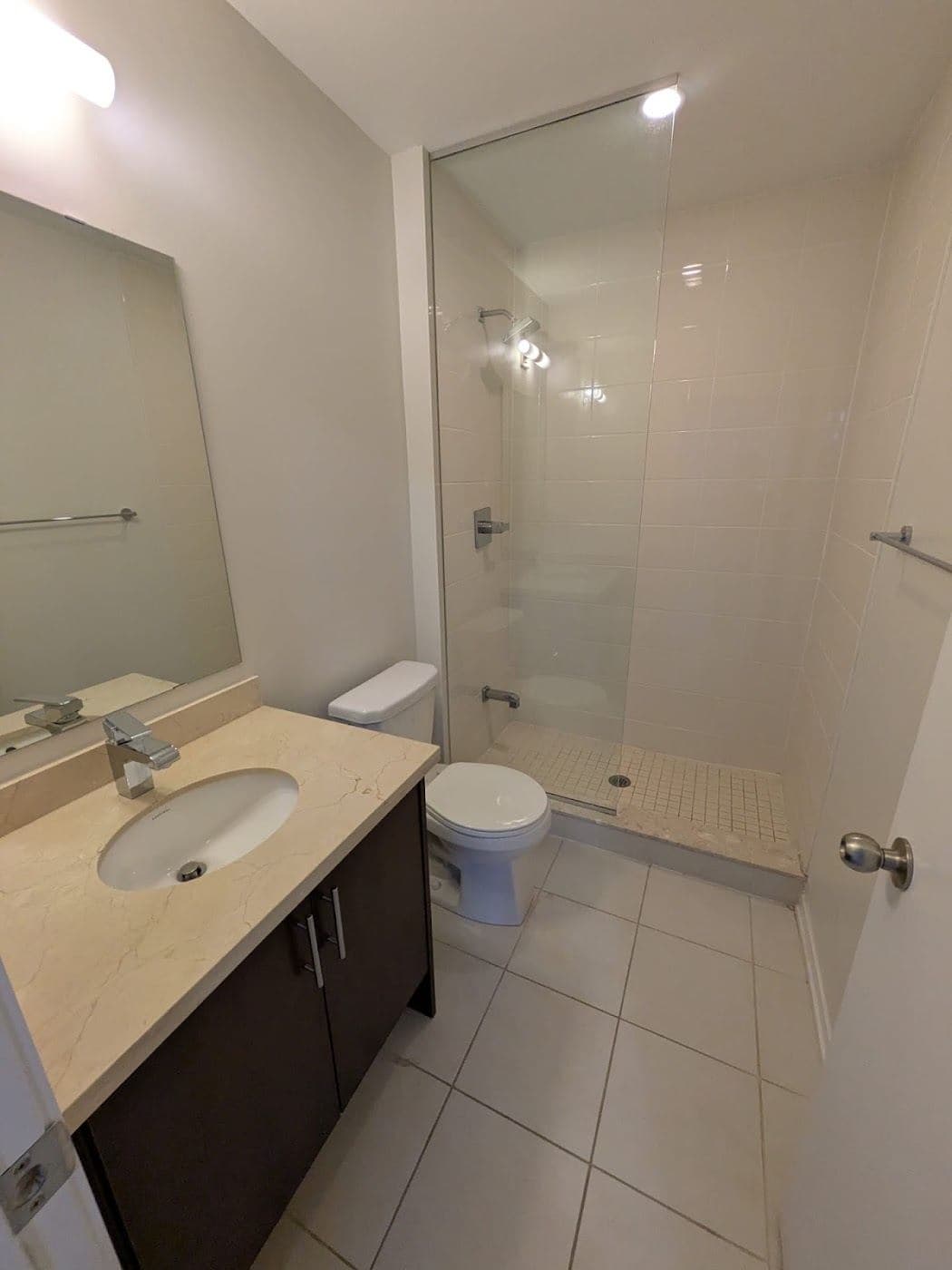
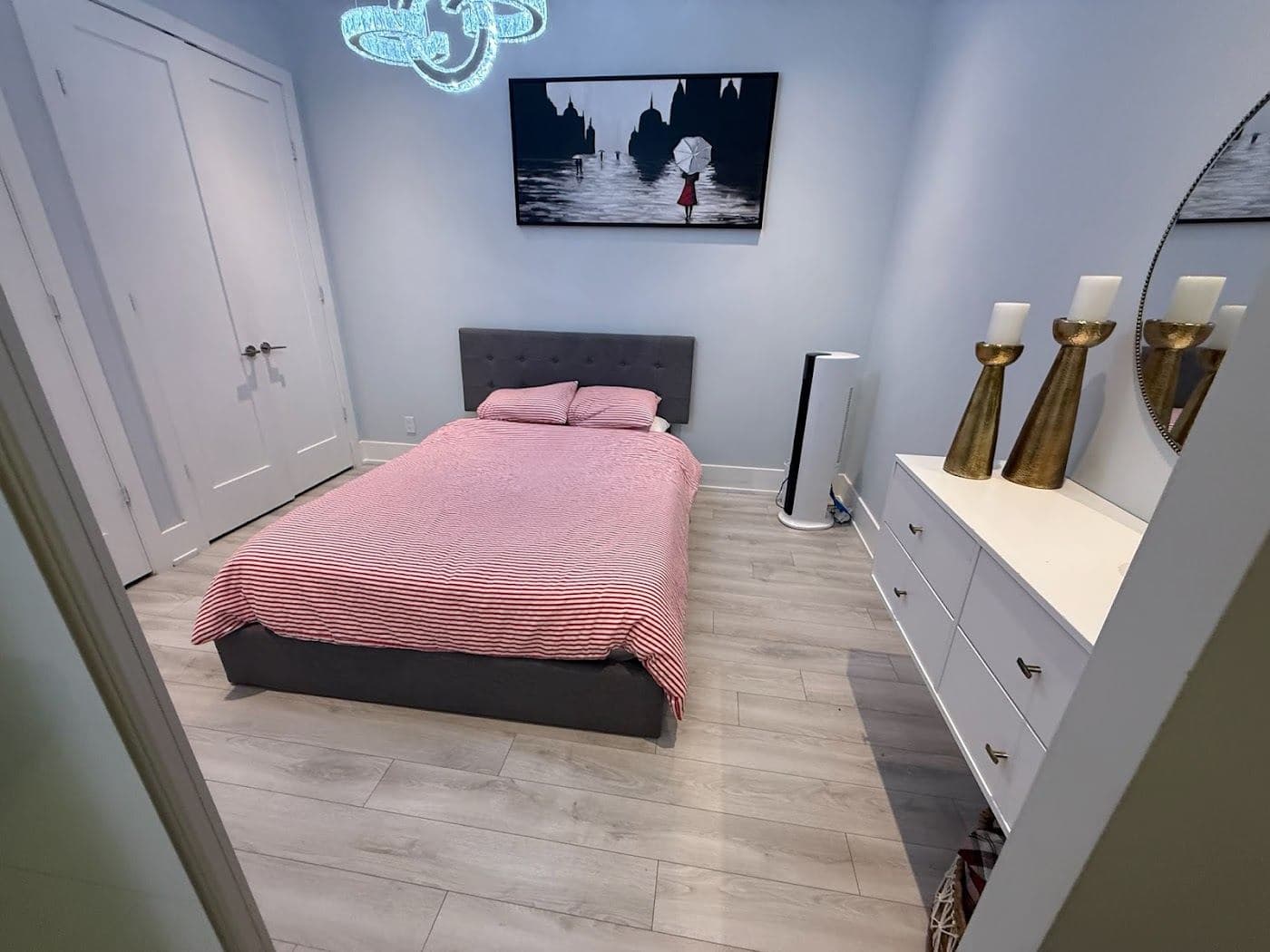
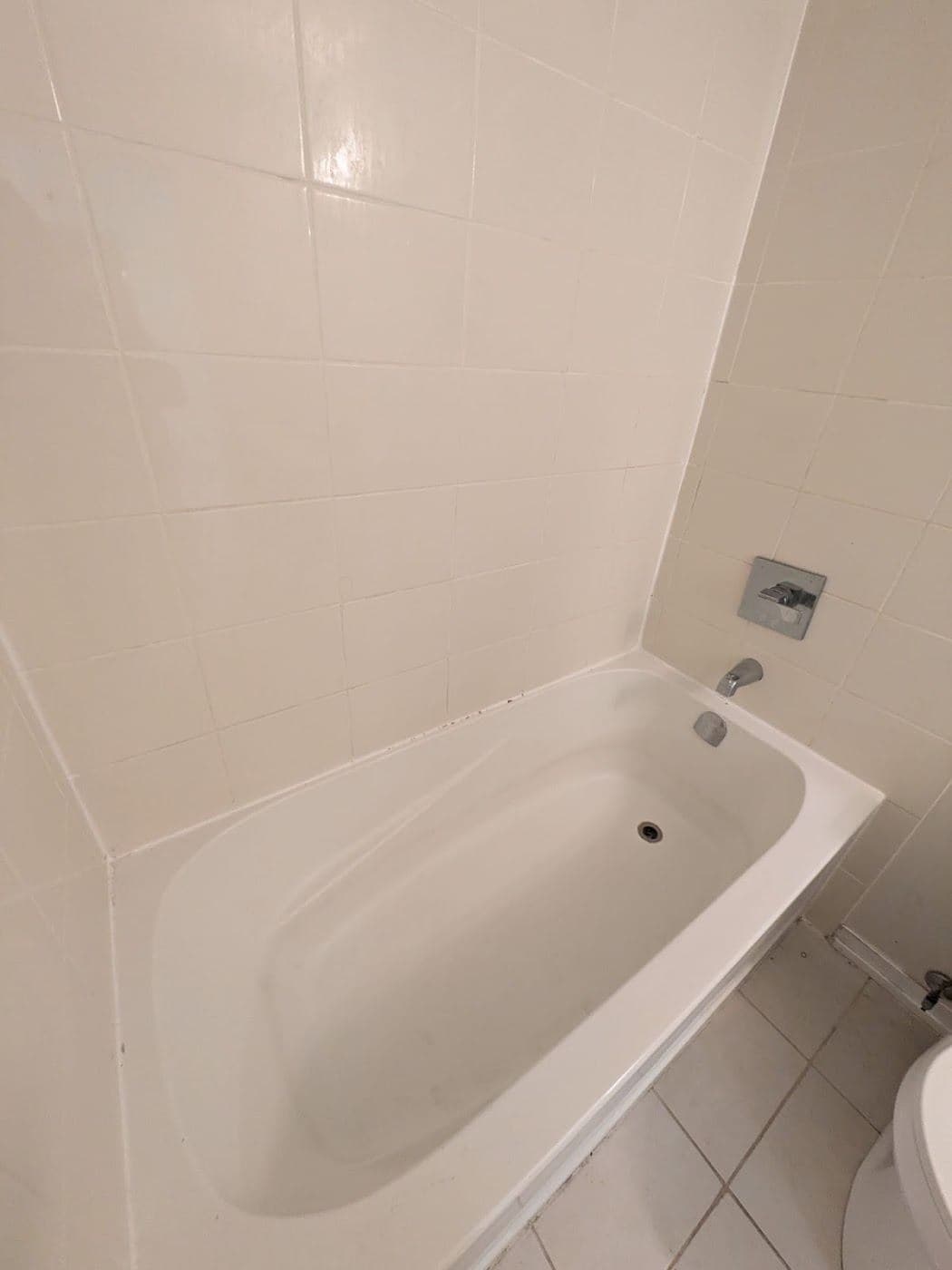
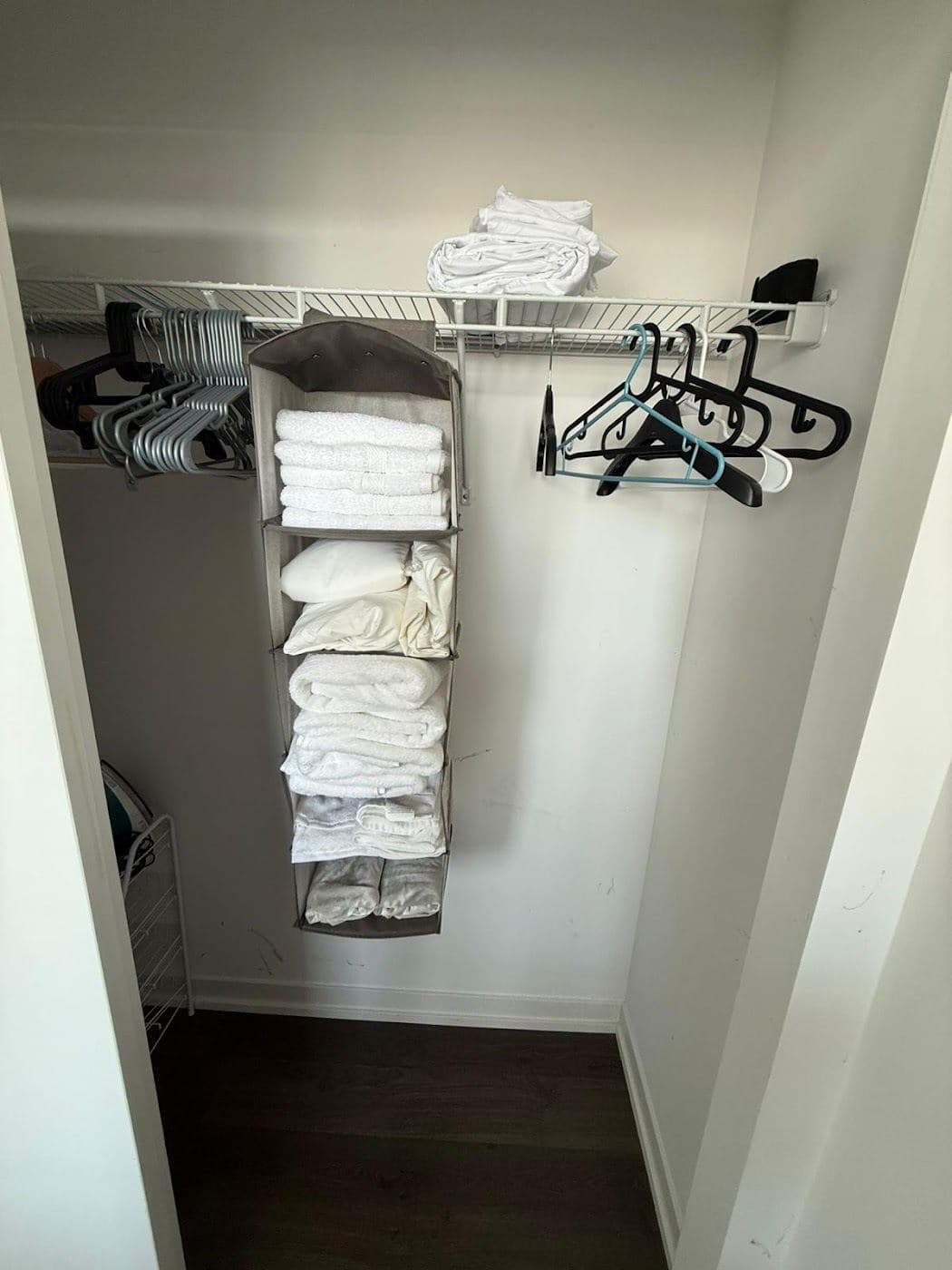


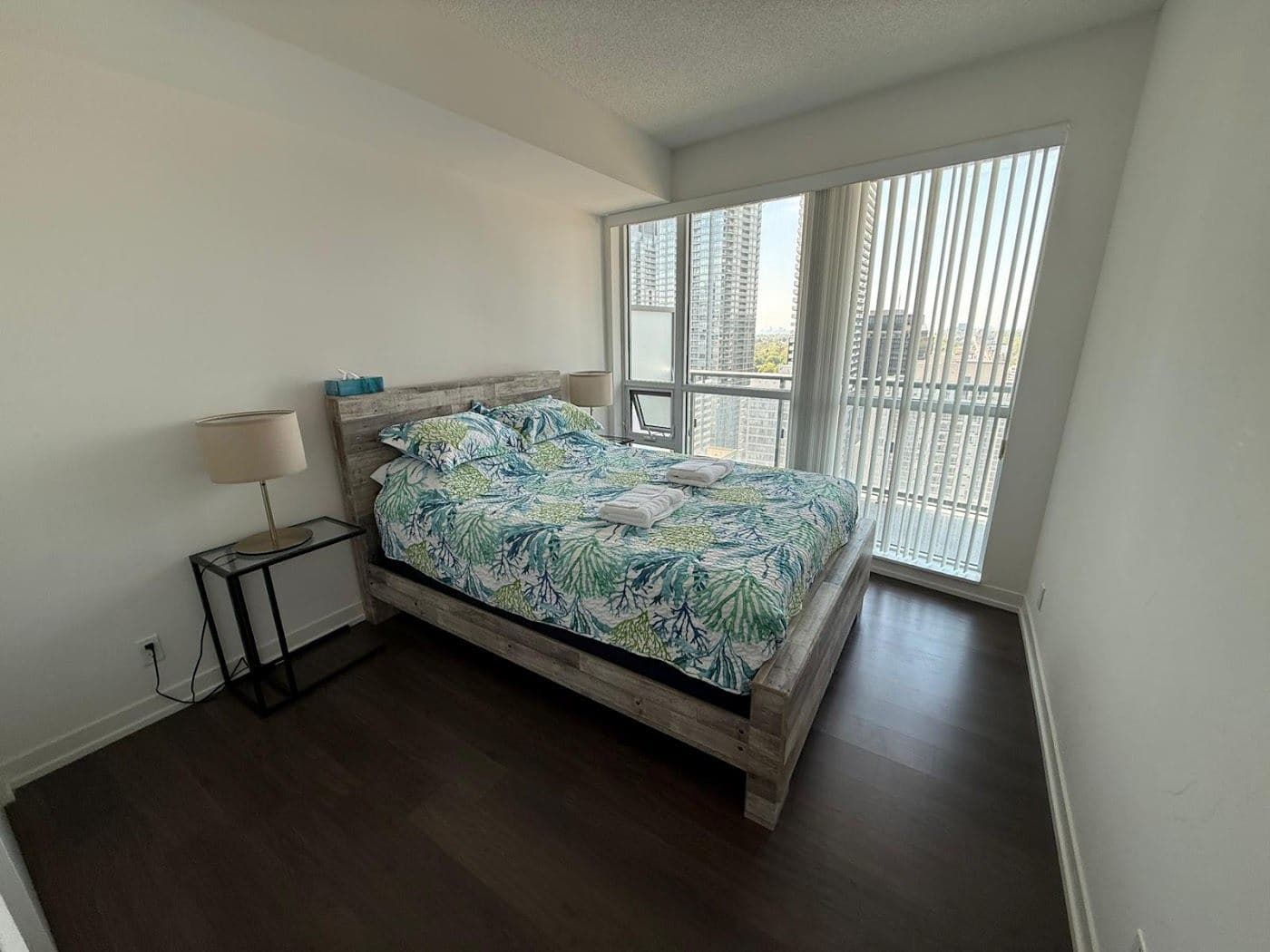
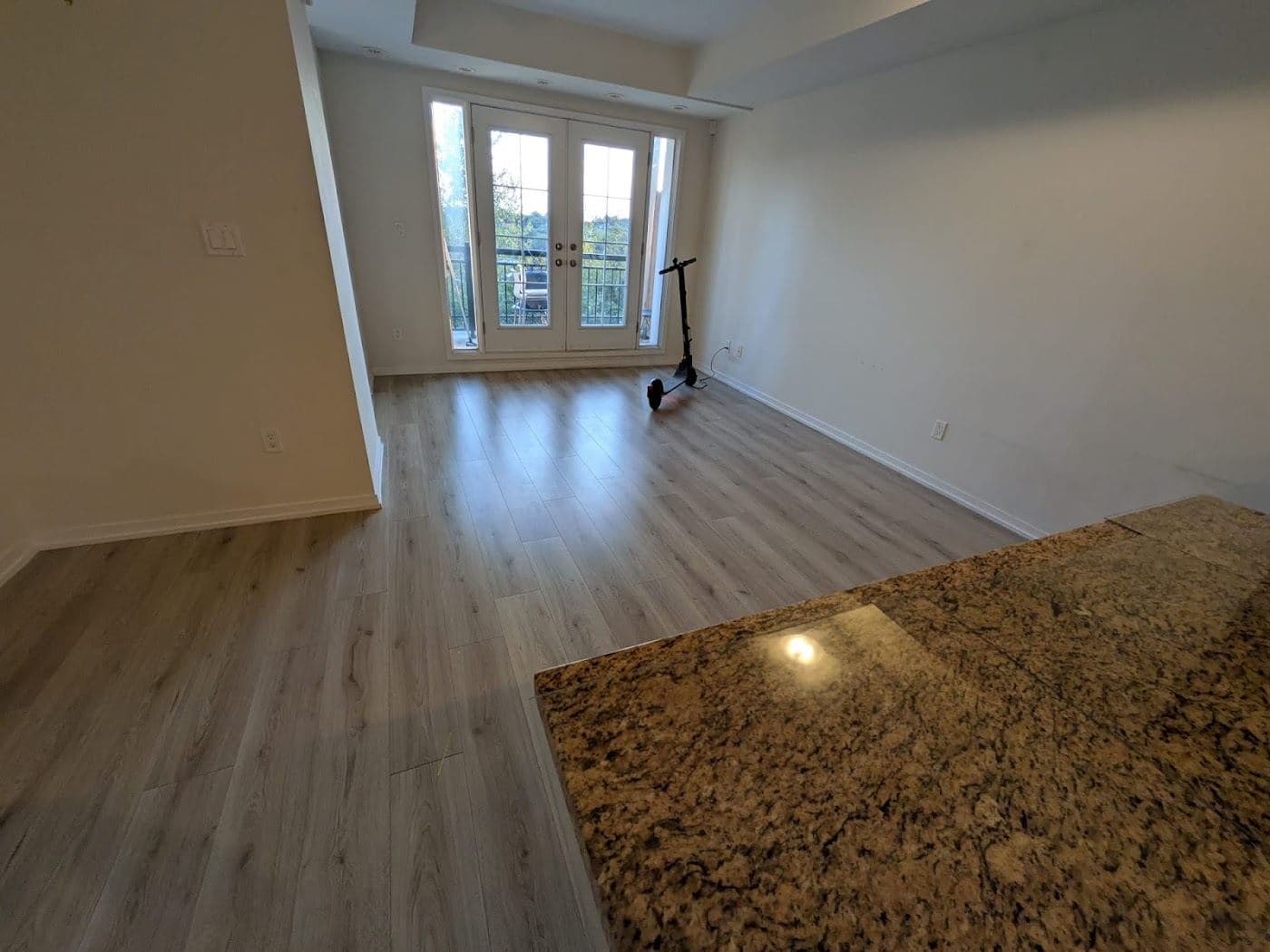
Photographs of work we have done
Professional organizing in Vaughan, Woodbridge and Concord.
Professional organizing in Vaughan and Toronto is for when the belongings are the problem. Clutter, storage that does not work, a system nobody follows. Home organizing services start with the decisions, not the bins.
- Sort, group and edit
- Storage planned before buying bins
- Shelf and closet cleaning, if scoped
- A simple plan to keep it working
Who it is for.
Pick this for closets, kitchens, storage rooms, decluttering. Also for a move-in setup, or a system the household will actually keep.
Closets, kitchens, storage spaces, garages. And the room everything ends up in.
Homes where the clutter makes cleaning slower and every visit more stressful.
Move-ins and downsizing. Seasonal resets. Households that need a system they can maintain.
What professional organizing includes.
Sort, group, edit. Then practical recommendations about where things should live.
Storage planning that happens before anyone buys a bin.
Support with cleaning when a shelf, a closet, or a whole room needs a reset mid-project.
A simple maintenance plan, so the system survives an ordinary week.
How the visit is planned.
Scope first, then the date.
Share the details
Pick the room, or the category, causing the most daily friction.
Sort it, edit it, clean it
Placement decisions come last.
Plan the visit
Build a system the household can keep up on a bad week.
Start with the friction, not the storage products.
Decluttering services and organizing projects both start from something you can point at. The pantry makes cooking slow. The entry cannot absorb four people arriving at once. A spare room has quietly become where unresolved things go to sit. Name the friction and the project gains a purpose past making shelves look uniform.
Choose a boundary you can finish. One wardrobe. The main entry. A Toronto professional organizer will ask which of those you want finished first. A professional organizer in Vaughan asks the same thing of a different house. Open every closet at once and you get a hallway full of piles and no finished room. Work out whose decisions are needed, because paperwork and sentimental objects move at a different pace.
Name the daily problem
What is hard to find, hard to put away, hard to clean? Start there, not with a picture.
Set a clear boundary
One room, one zone, one category. Something with a finish line you can see from the start.
Identify decision makers
Shared, sentimental, financial, personal. Know whose approval each of those needs.
Make decisions before assigning containers.
Sort first and the real volume shows up. Bring like with like, then decide what belongs in this space, what belongs elsewhere, and what has stopped earning its room. You stay the authority on what stays. An organizer makes the categories visible and keeps the momentum going, but nobody should be discarding your property.
Containers come after the contents are understood, never before. The drawers, boxes, and baskets already in the house are often enough. Measure when a new container helps. Toronto condos and older houses are full of shallow, narrow, odd-shaped closets, and a bin that fits the photograph but not the shelf is a purchase you make twice.
Group first
Duplicates, quantities and the categories missing entirely: all of it surfaces before placement decisions begin.
Edit with consent
Decisions stay with the owner of the belongings. Anything unresolved gets a pile of its own.
Measure before buying
Use the real contents and the real dimensions. A container that only fills a shelf helps nobody.
Prepare for decisions, movement, and cleaning access.
Do not buy a set of bins. Do not empty the whole room before the plan is clear. What helps is separating out anything private, valuable, hazardous, or outside the project, and putting it somewhere safe. Collect the practical facts next: the deadline, where donations go, and whether somebody else has to see things before they leave.
Decide how the outgoing things leave. Donation, recycling, garbage, and returns: each pile needs a next step and a named person, because a pile with neither becomes furniture. When shelves, drawers, or floors need cleaning during the reset, put that in the scope. An empty cupboard is the only time anyone can properly clean the back of it.
Protect exclusions
Private records, valuables, hazardous materials, anything outside the project. Set those aside first.
Create exit routes
Donations, recycling, waste, sales, returns, family items. Each needs a next step and a person.
Allow cleaning time
An emptied shelf or drawer wants cleaning before anything goes back. Put that in the scope.
Professional organizing questions.
What happens during a professional organizer home visit?
Sorting first, then editing, then placement. A session works through one space at a time, so a wardrobe or a pantry gets finished before anything else is opened. Every decision about what stays belongs to the owner. Expect a pile that has to leave the house.
Can organizing and cleaning happen together?
Yes. Cleaning and organizing services booked together run in the better order: a shelf or closet is easier to reset once the surface underneath has been cleaned. The reverse means cleaning around what is in the way, then cleaning the same shelf again.
Do I need to buy organizing products first?
No. Sort and measure first. A bin bought before the contents are known is a bin that fits the photo and not the shelf, and it usually ends up storing the things you meant to get rid of.
What affects professional organizer cost?
The size of the space. How much sorting is in it. How much support the decisions need, whether products have to be sourced, and how much cleanup belongs to the project, which is the item people forget when they picture a day of tidying.
Can I hire a professional organizer in Vaughan, Woodbridge or Concord?
Yes. SpotlessCo is based in Vaughan and takes organizing projects across the city, Woodbridge and Concord included, as well as in Toronto. Start with one space you can point at: a pantry, a garage, a condo closet. Send photos, the deadline, and the name of whoever decides what stays.
Do decluttering services include the cleaning?
Cleaning can sit inside the scope. Say so while the project is being planned. Decluttering services and a full house clean are separate hours, so a session asked to carry both will usually finish neither. The sorting gets its own block of time.
Design for the busiest ordinary day.
A system has to work on a bad Tuesday. Store the frequently used things near where they get used. Keep categories broad enough to recognise at speed. Skip the lids and the stacking when they add a step. Leave slack where new things arrive. A full system has nowhere to put the groceries.
Look again after a few weeks. Things left beside a container are information, not failure. A category that overflows wants a larger boundary, a pause on buying, or another editing session. And cleaning gets easier the whole time this holds, because reachable floors, counters, and shelves can be cleaned.
Reduce steps
The simplest placement that lets a thing be found and put back on a normal day.
Leave breathing room
Never fill a container to its limit. Laundry, groceries, paperwork. All of it arrives in waves.
Treat drift as feedback
When the same behaviour keeps repeating, the first system was wrong. Move the category.
Ask for a quote.
Property, rooms, date.
Then a real number, not a range.
Send the details and SpotlessCo replies with a quote built from your actual rooms.
Prefer to talk it through? Call (647) 773-6959, or reach us through the contact page.
Tell us what you need cleaned or organized.
Say which rooms matter most.
Scope and price confirmed first.