House Cleaning and Organizing in East York. Like it’s brand new.
East York service supports compact houses, semis, apartments. Plus busy homes. Places that need a realistic cleaning and organizing plan.
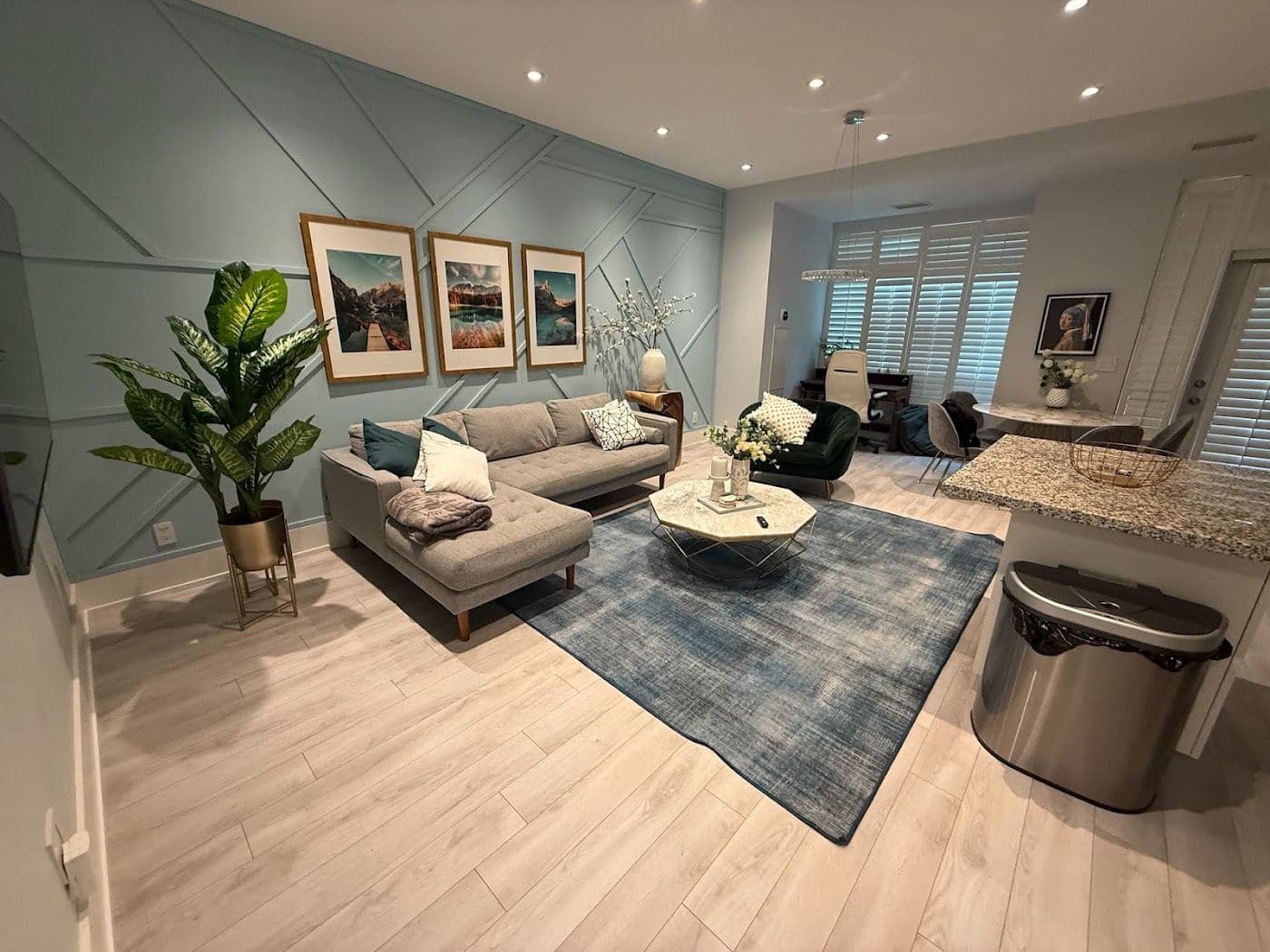
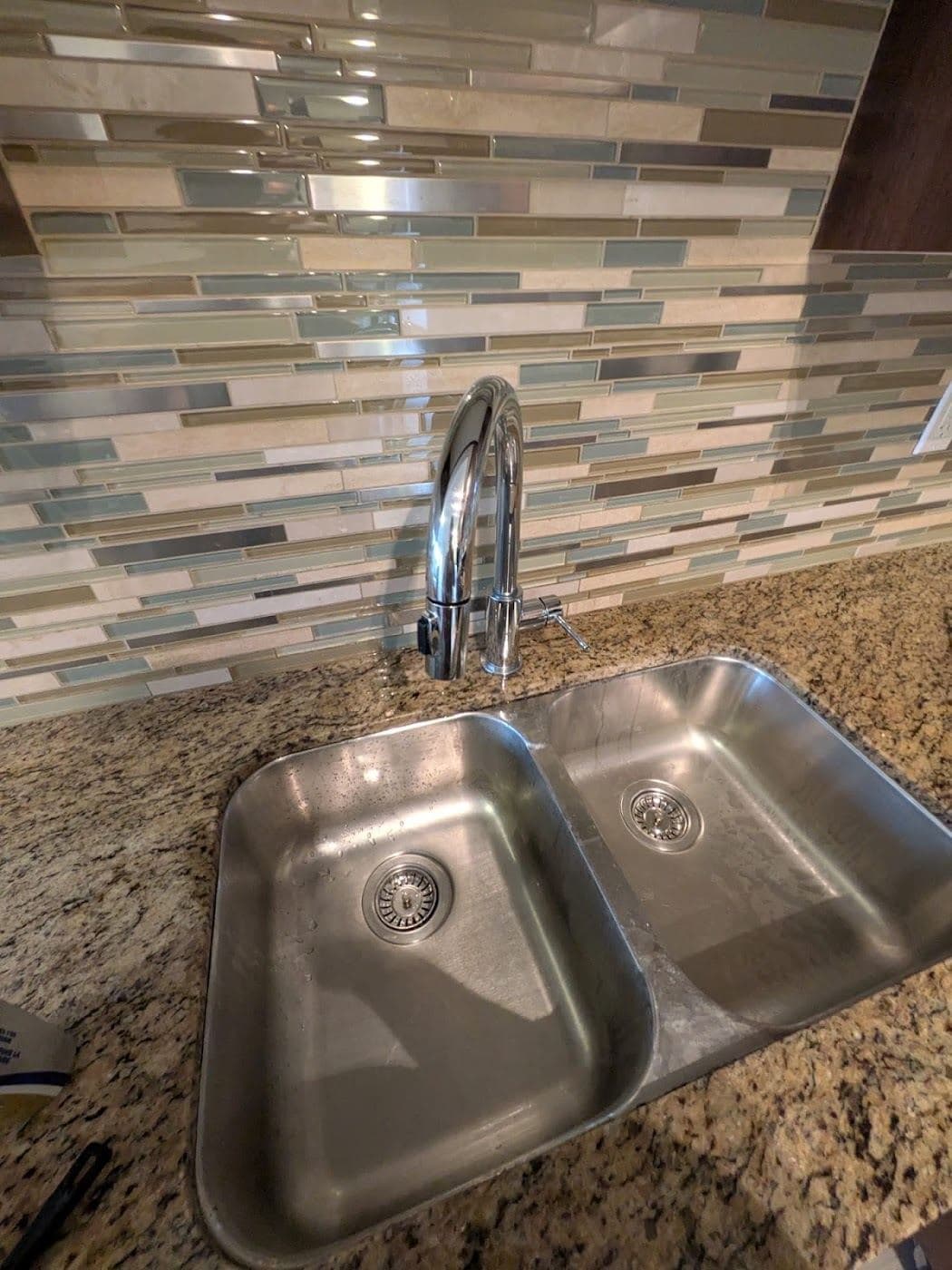
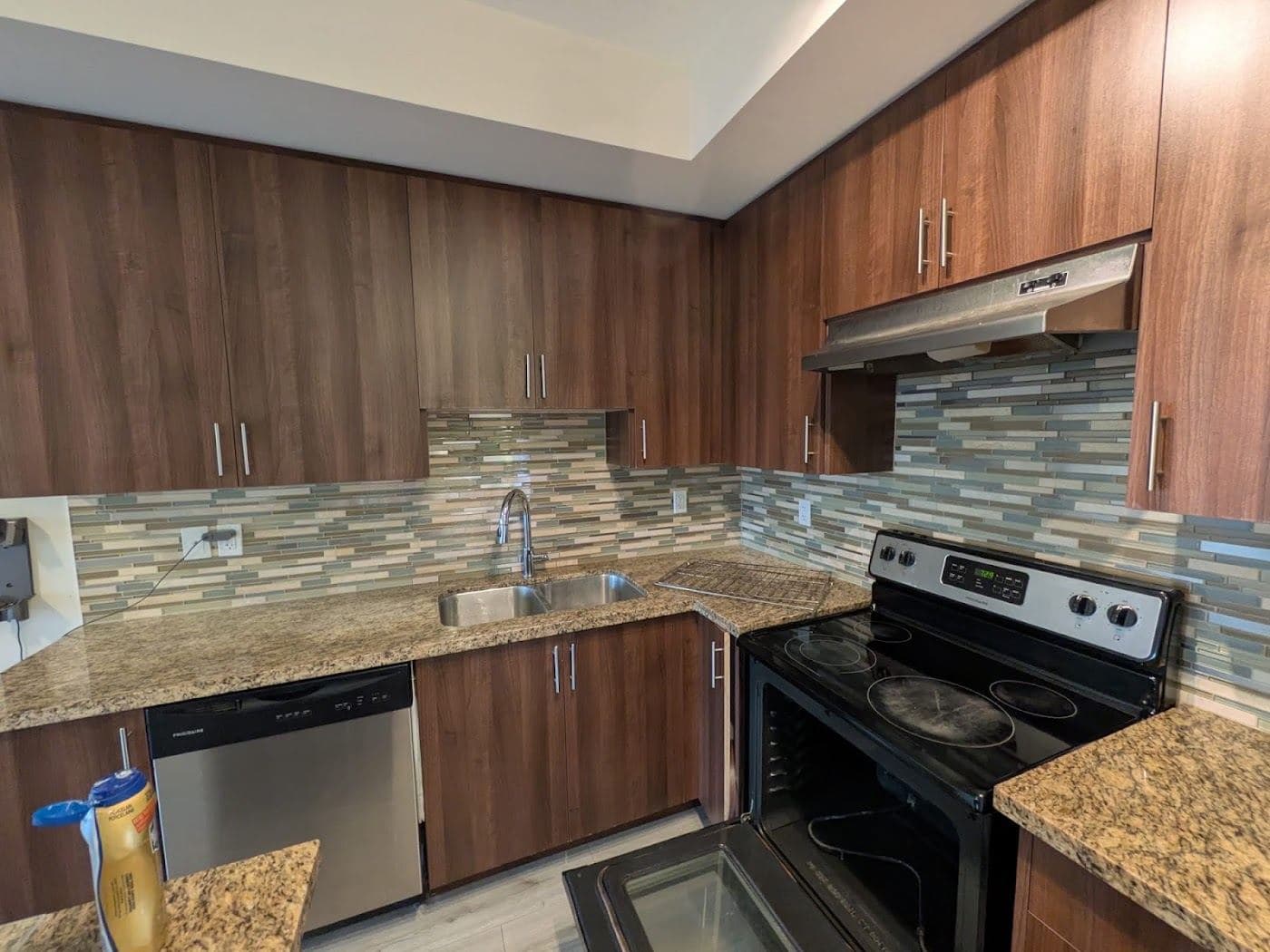
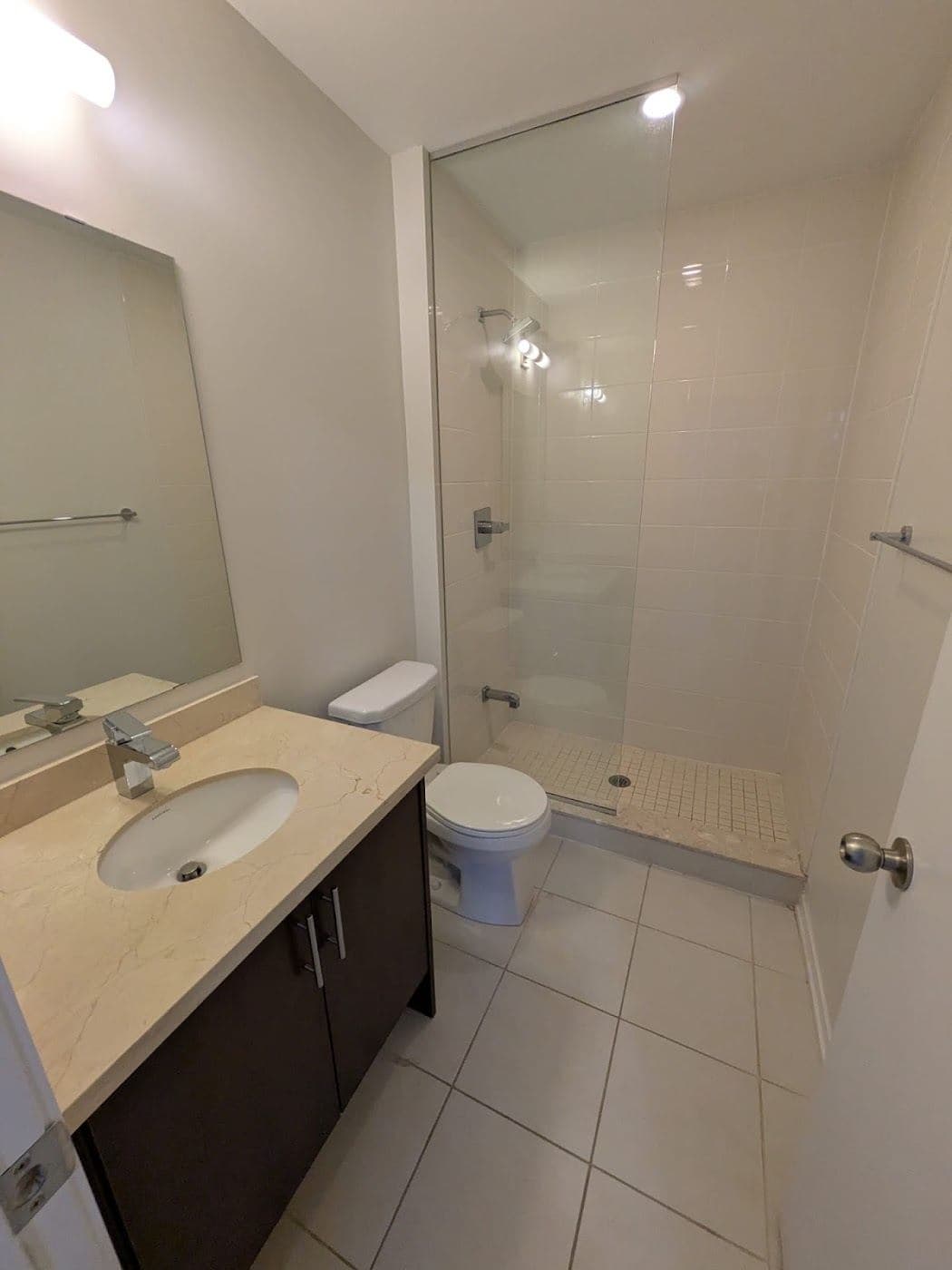
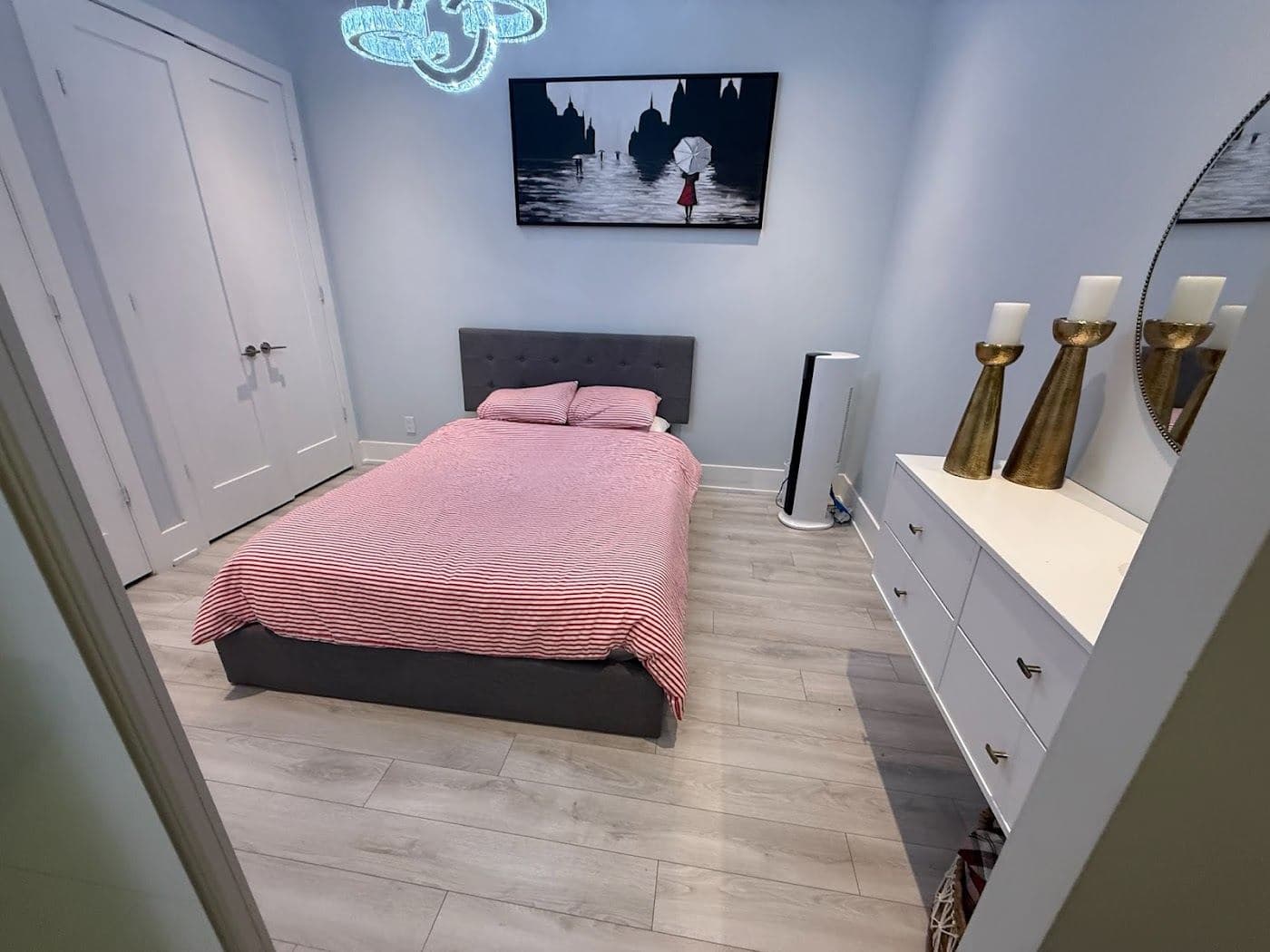
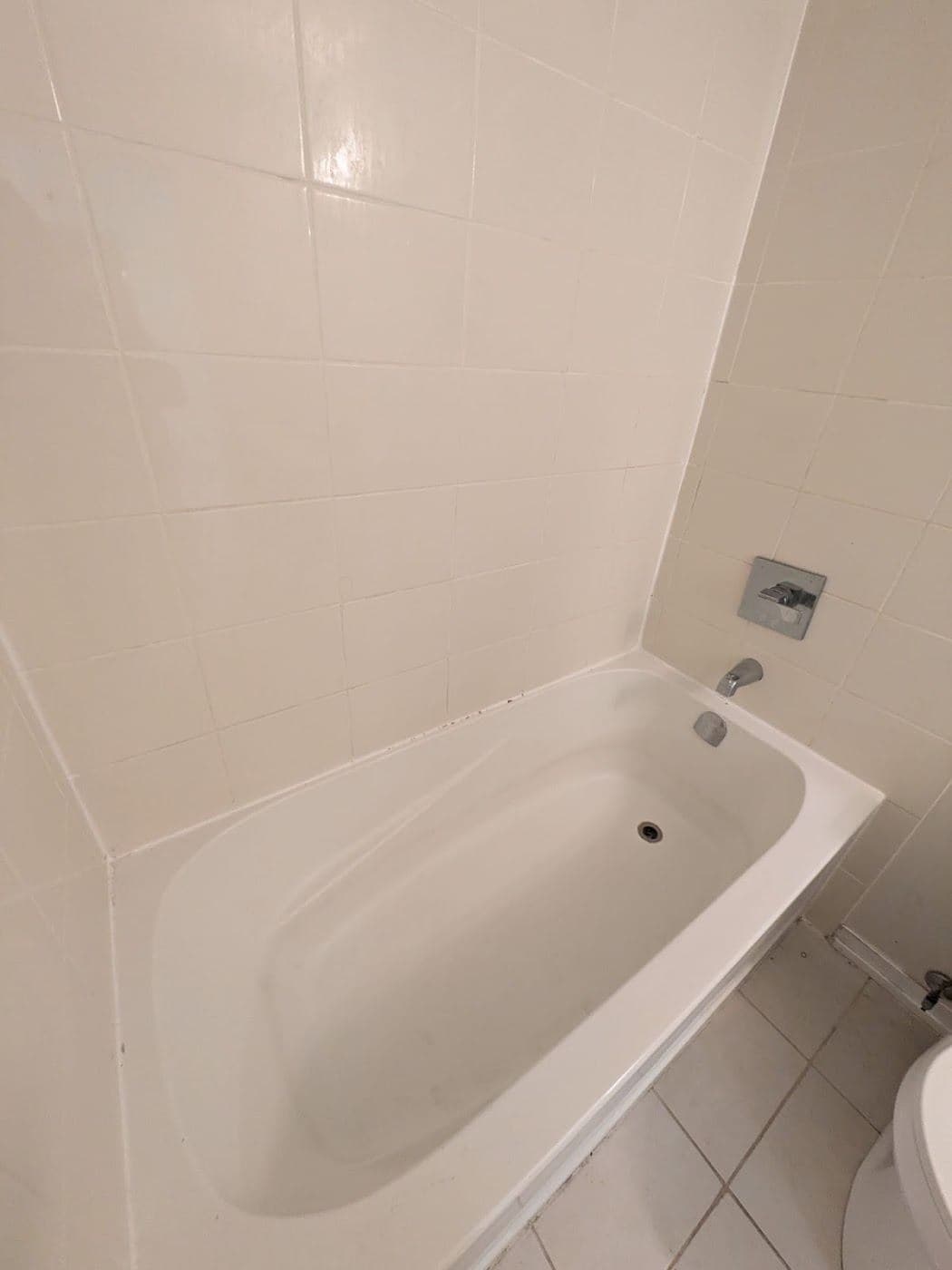
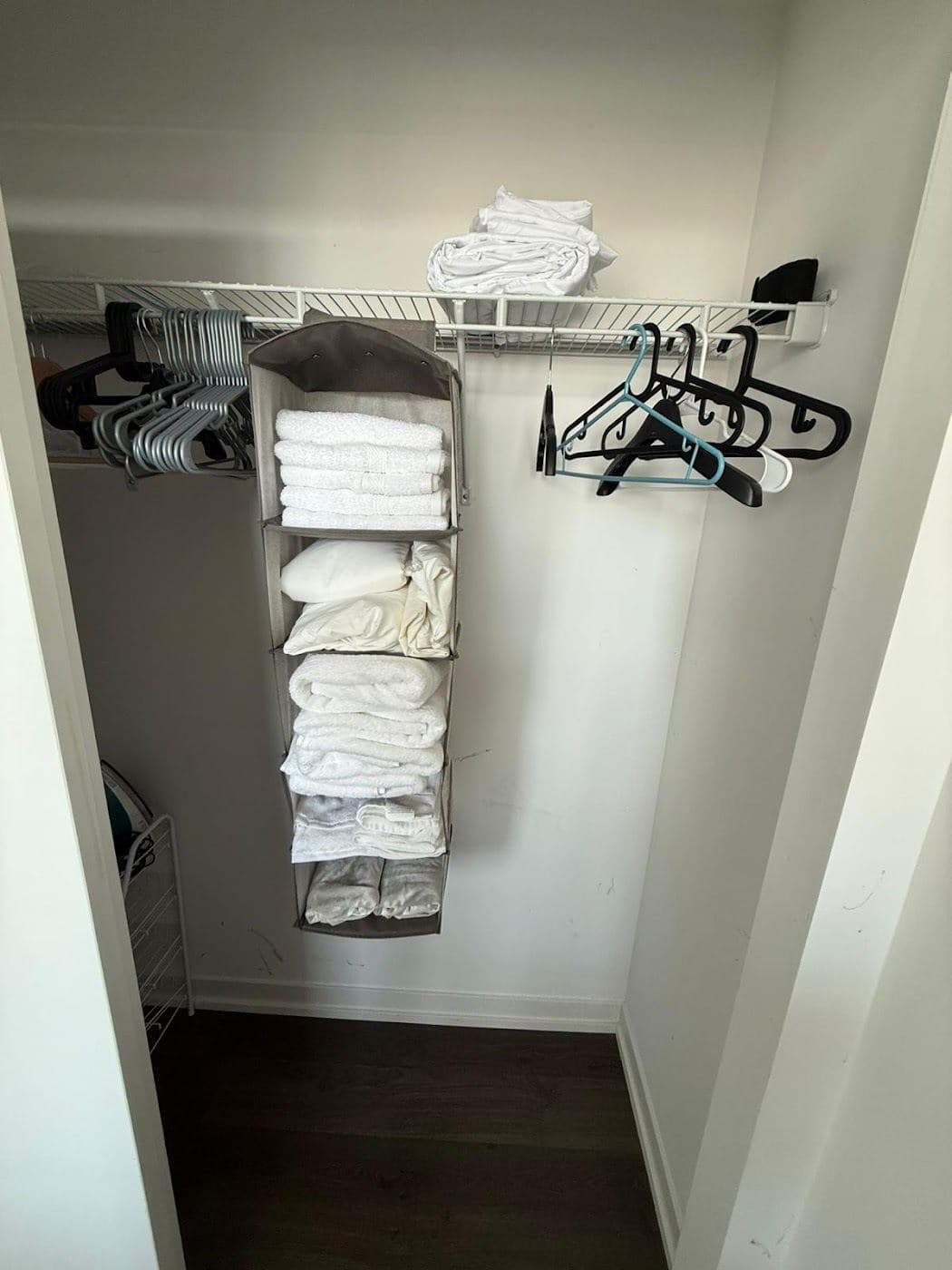
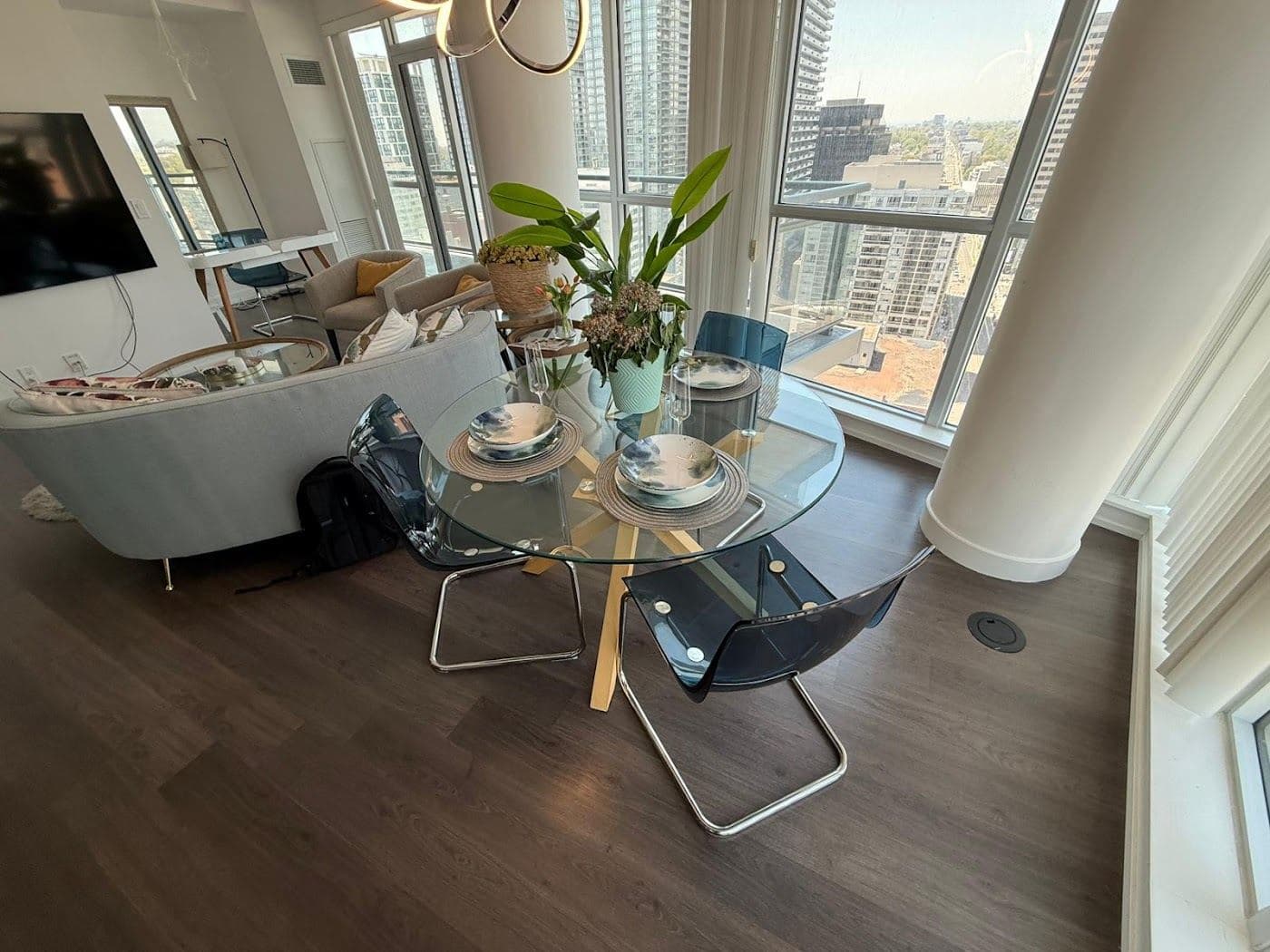
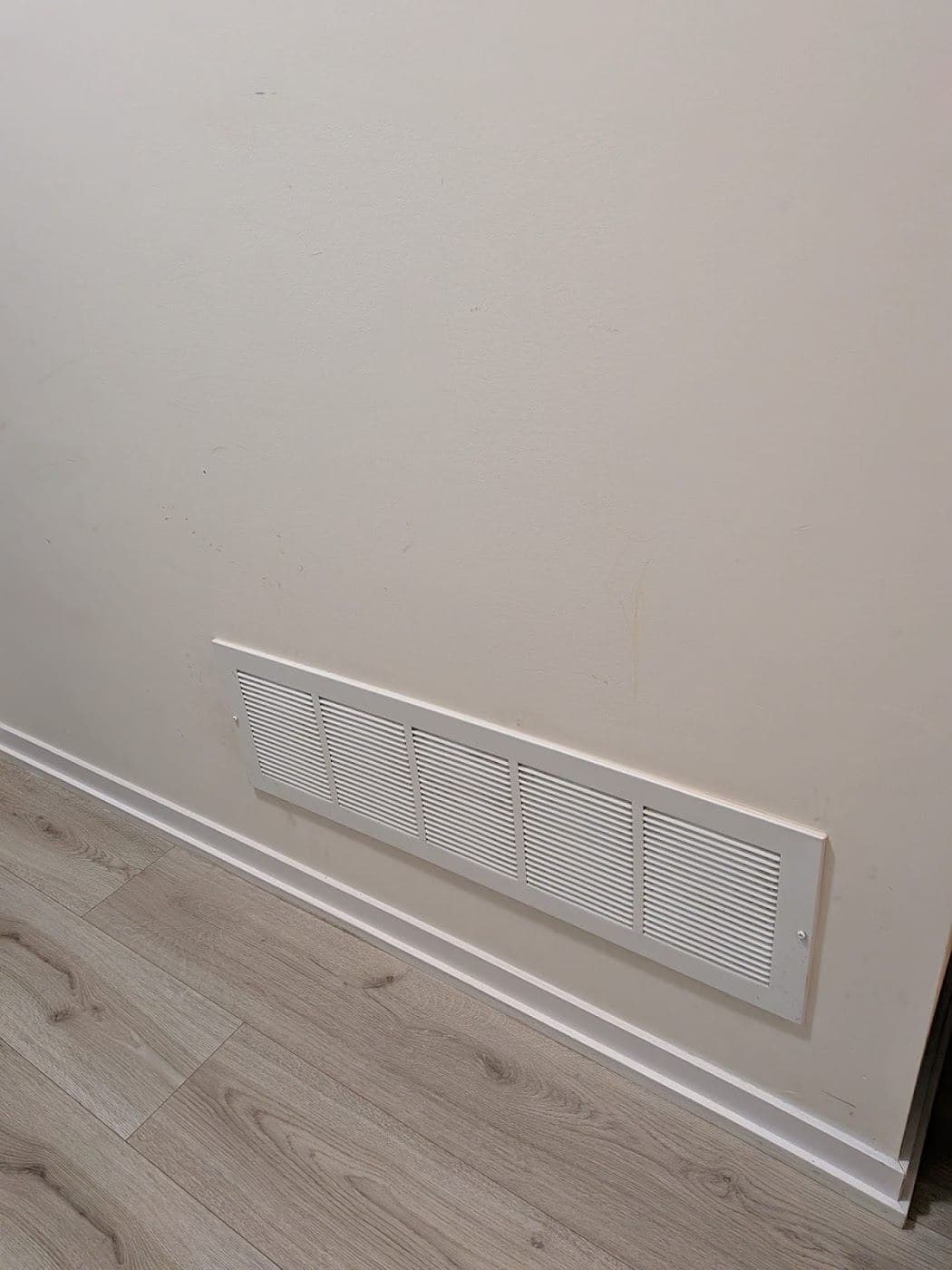
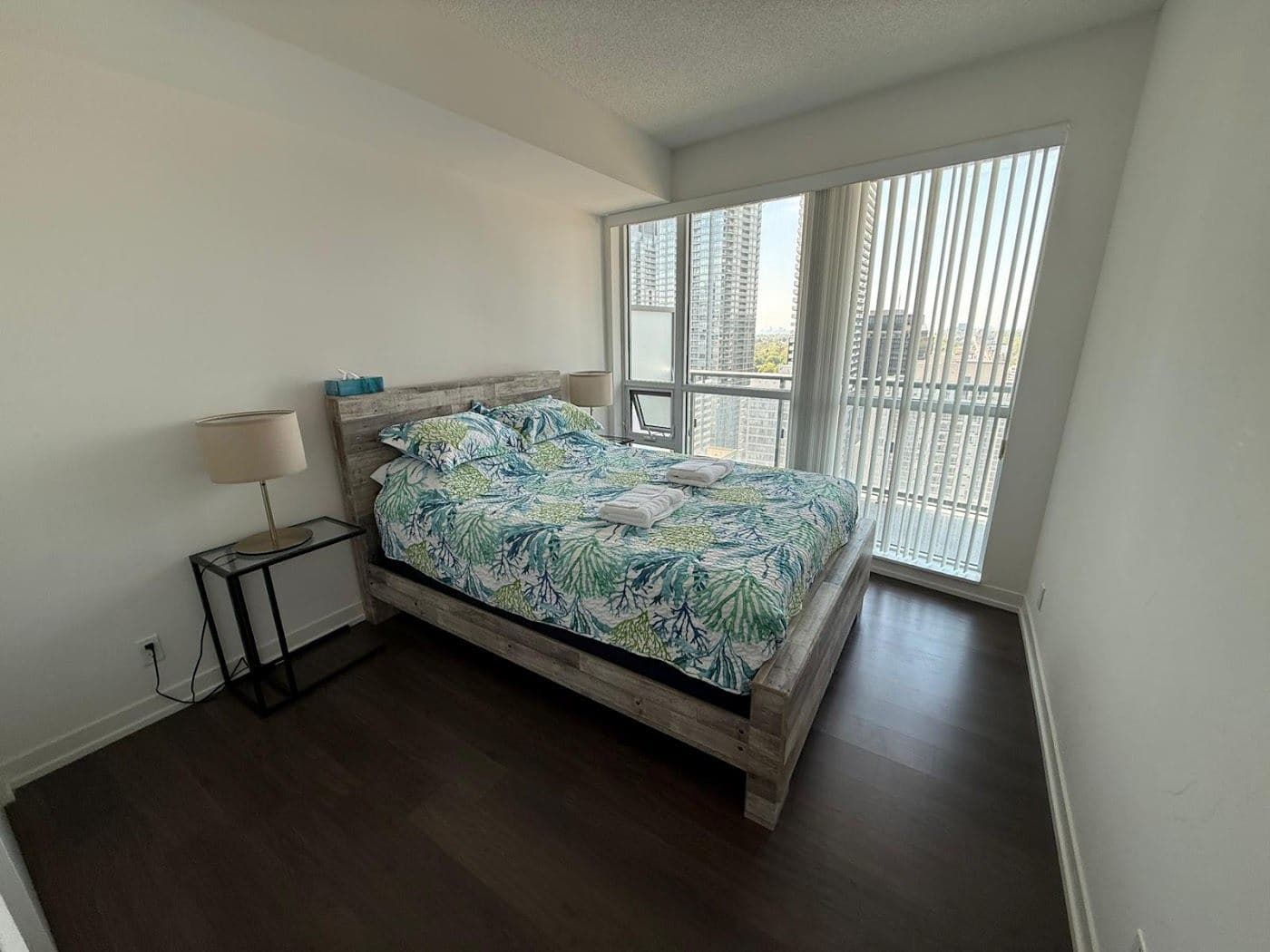
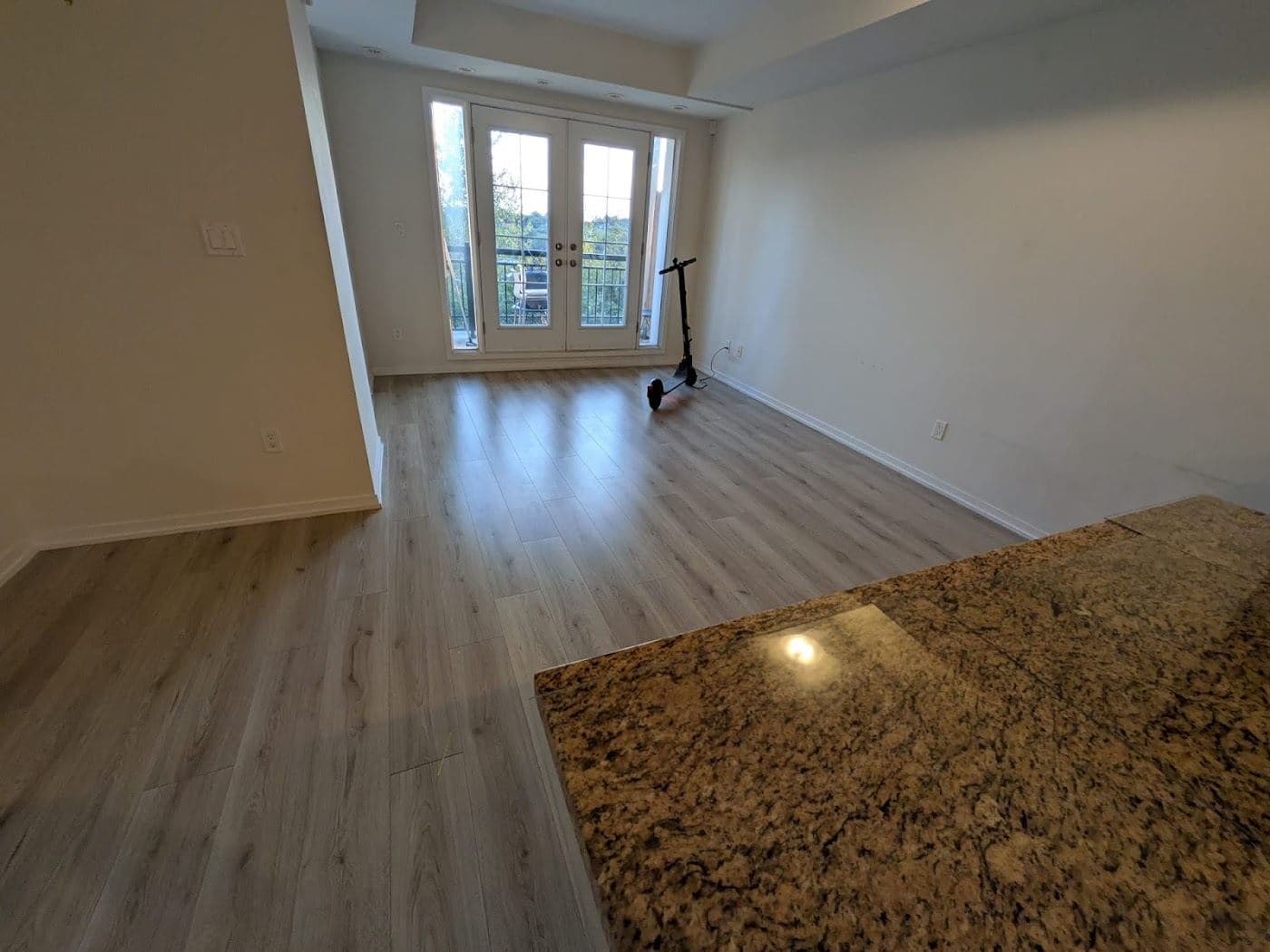
Photographs of work we have done
What shapes a visit in East York.
East York homes often have older layouts. Compact closets, finished basements, rooms that work hard every day. SpotlessCo scopes the visit around what the home needs most: routine upkeep, a deeper reset, organizing support, or a combined plan.
Cleaning support for semis and older homes. Condos, apartments, townhomes too.
Organizing help for storage-light layouts. Closets, kitchens, home offices.
Clear quote inputs before booking. The visit should match the home.
Neighbourhoods we clean.
- Danforth Village
- Woodbine
- Leaside edge
- Crescent Town
- Pape Village
- O'Connor
Homes in East York.
Older homes and semis
Cleaning can focus on bathrooms and kitchens. Stairs, floors, baseboards and dusting. Plus the details that older layouts tend to collect.
Apartments and condos
Smaller homes benefit from efficient cleaning and organizing. That keeps entry zones, kitchens, bathrooms, closets functional.
Everyday clutter resets
Organizing can create clearer homes for laundry zones and storage rooms. Play areas, pantries, paperwork. Plus the surfaces that collect daily items.
What we clean.
- House Cleaning
- Kitchen counters, sinks and appliance fronts
- Toilets, tubs, showers and mirrors
- Dusting in bedrooms and living areas
- Floors vacuumed and mopped
Room-by-room cleaning for Vaughan and GTA homes. A dependable reset, planned before anyone arrives.
- Recurring Cleaning
- The same core rooms every visit
- Kitchens, bathrooms, floors and dusting
- Extra care for the busiest rooms
- Plan updated when your schedule shifts
A steady rhythm for homes that should never start from zero again. Same core rooms, every visit.
- Deep Cleaning
- Baseboards, fixtures and buildup
- Kitchen and bathroom detail work
- Interior windows and sills, where safe
- Priority areas done first
A deeper reset. Spring cleaning, bathroom buildup, interior windows, floor edges, the places a regular visit never gets to.
- Professional Organizing
- Sort, group and edit
- Storage planned before buying bins
- Shelf and closet cleaning, if scoped
- A simple plan to keep it working
Organizing help for the rooms where the clutter keeps coming back. No amount of cleaning fixes those.
- Airbnb Cleaning
- Beds remade with your linens
- Kitchen, bathroom and floors reset
- Supplies restocked from your inventory
- Final walkthrough, damage photographed
Short-term rental cleaning for Vaughan, Toronto, and GTA hosts. The clock matters. So does the guest-ready detail.
Work with the layout instead of forcing a larger-home checklist.
An East York semi or compact house may place several important functions close together. A kitchen may connect to a narrow dining area, stairs carry traffic through the centre of the home, and closets have little room for overflow. Clear the main route. Identify the highest-use rooms. That creates more cleaning access than treating each small area as an unrelated task.
Older layouts can also contain rooms that have changed purpose over time. A bedroom may now be an office. A finished basement may support guests or play. So the quote should describe current use, not the label on the door. Once each space has a clear priority, bathrooms, kitchen surfaces, floors, stairs, baseboards and dusting can be ordered around the way the household actually moves.
Open the route
Prioritize the entrance, stairs, halls. Plus the connected floors that allow work to move through the home.
Name the real use
Describe offices, play areas, guest rooms. Multipurpose surfaces too, according to their current function.
Reduce spillover before it blocks the clean.
When closets and cabinets are compact, daily belongings settle on the nearest chair, counter, landing, or floor. That spillover is not necessarily a whole-home organizing problem. It may begin with one overloaded entry closet, a kitchen category without a cabinet, or paperwork with no active home. Find the source. It saves moving the same items from surface to surface before every cleaning visit.
A focused organizing session can start with the zone creating the most visible pressure. Items are grouped by use and owner, easy decisions are separated from slower ones, and prime storage is reserved for belongings used most often. Cleaning can follow as shelves, floors and counters open up. The aim is not to make storage decorative. It is to create capacity, so rooms can be reset without rebuilding the system each week.
Find the source
Trace visible clutter back to its origin. A closet, a cabinet, paperwork, or the laundry process that cannot contain it.
Protect prime space
Keep daily-use items accessible. Occasional categories move away from the easiest-to-reach storage.
Give the hardest-working zones separate priorities.
The kitchen and entry often lose their baseline for different reasons. Kitchen surfaces support food preparation, dishes, small appliances and household drop-offs. The entry collects footwear, outerwear, bags and debris from outside. Treating them as separate working zones makes preparation easier. Food and appliances are grouped away from cleaning surfaces, and entry belongings are contained before floors and edges are addressed.
A finished basement or lower-level room needs its own decision. If it is used daily, it may need the same recurring attention as the main floor. If it holds storage, laundry, a home office, or occasional guests, a rotating or project-based plan may fit better. The scope can distinguish active floor area from stored belongings, and identify where organizing is needed before cleaning.
Separate the drop zones
Prepare kitchen counters and entry storage separately. Do it according to the different routines that fill them.
Classify the lower level
Choose recurring, rotating, or organizing-first work. The choice is based on how the basement is currently used.
Choose the visit that fits the present condition.
A recurring visit works best when the home already has a reachable baseline. A deep clean suits the other case. When buildup, baseboards, overlooked edges, or several rooms need extra detail first, the first visit carries all of it. The decision should be based on current condition. Not the home type. Not the time elapsed alone.
The first scope can also be selective. A compact home may need deep attention in the kitchen and bathrooms while bedrooms stay at maintenance level. An older home may need detail along accessible edges and stairs without opening every storage area. So list the must-complete rooms, optional details, pets, access notes and areas to skip. The completed visit then becomes the reference point for choosing a realistic weekly, biweekly, or monthly routine.
Deep where needed
Apply extra detail to the rooms and surfaces below baseline. Instead of expanding every task equally.
Repeat what matters
Build later visits around the high-use areas. Those change fastest after the reset.
For regular, recurring and Airbnb cleaning
Questions about East York.
Do you serve East York?
Yes, with availability confirmed during the quote conversation. Share your postal code and timing. The team can then confirm the right slot.
Can you clean older East York homes?
Yes. The team scopes around the layout and materials. Room priorities too, plus any buildup or detail work needed.
Can organizing be added to a cleaning visit?
Yes. If clutter is the reason the space is hard to clean, organizing can be included before the cleaning plan or alongside it. Saying which you want makes the quote easier.
Book a clean in East York.
Property, rooms, date.
Then a real number, not a range.
Send the details with the form, or call. SpotlessCo reads every request and replies with a scope you can hold a price against.
Call (647) 773-6959