Condo and House Cleaning in Downtown Toronto. Like it’s brand new.
Downtown Toronto service is built for condos, apartments, townhomes and compact spaces, where access, timing and priority rooms need clear planning.
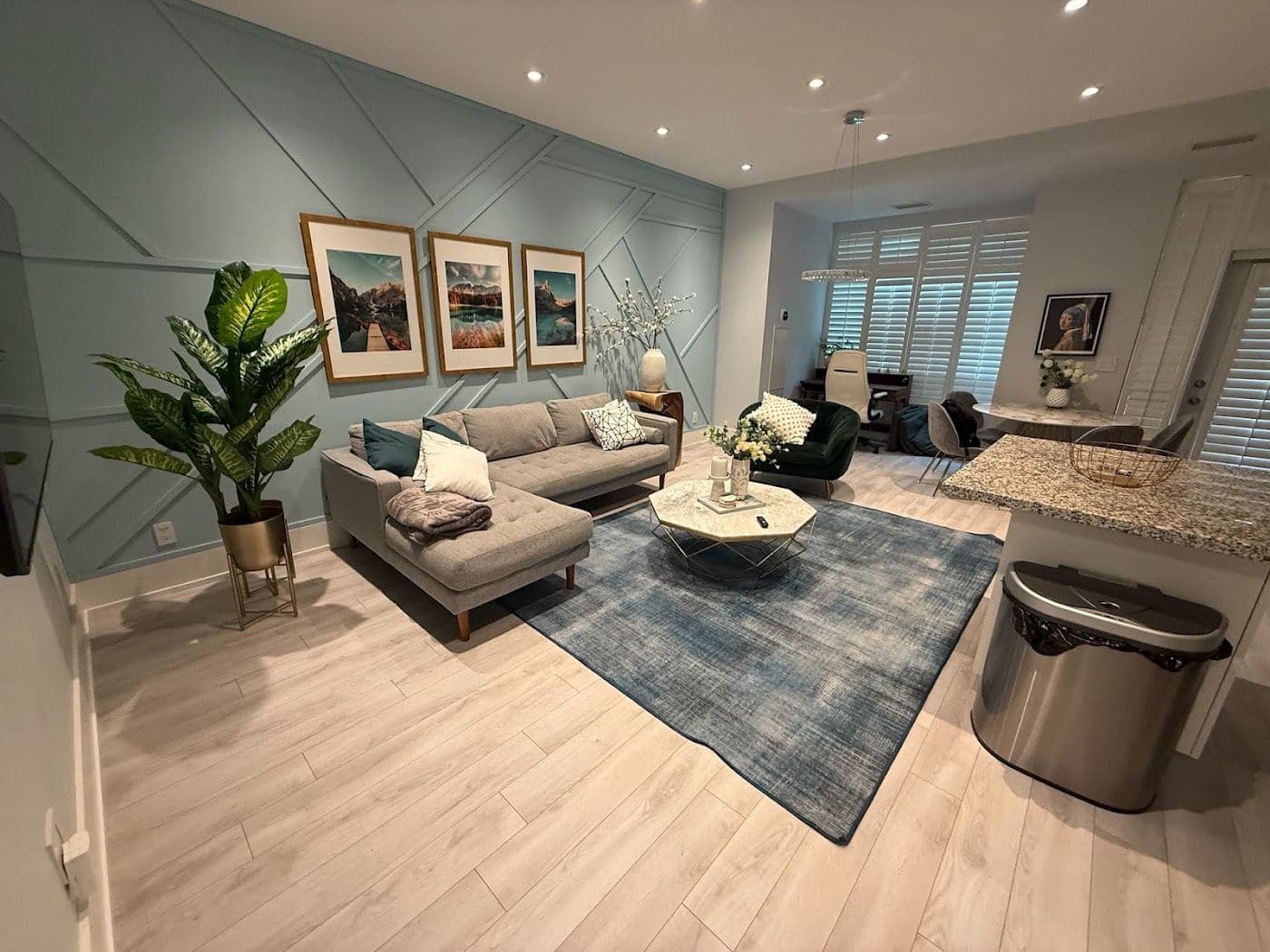
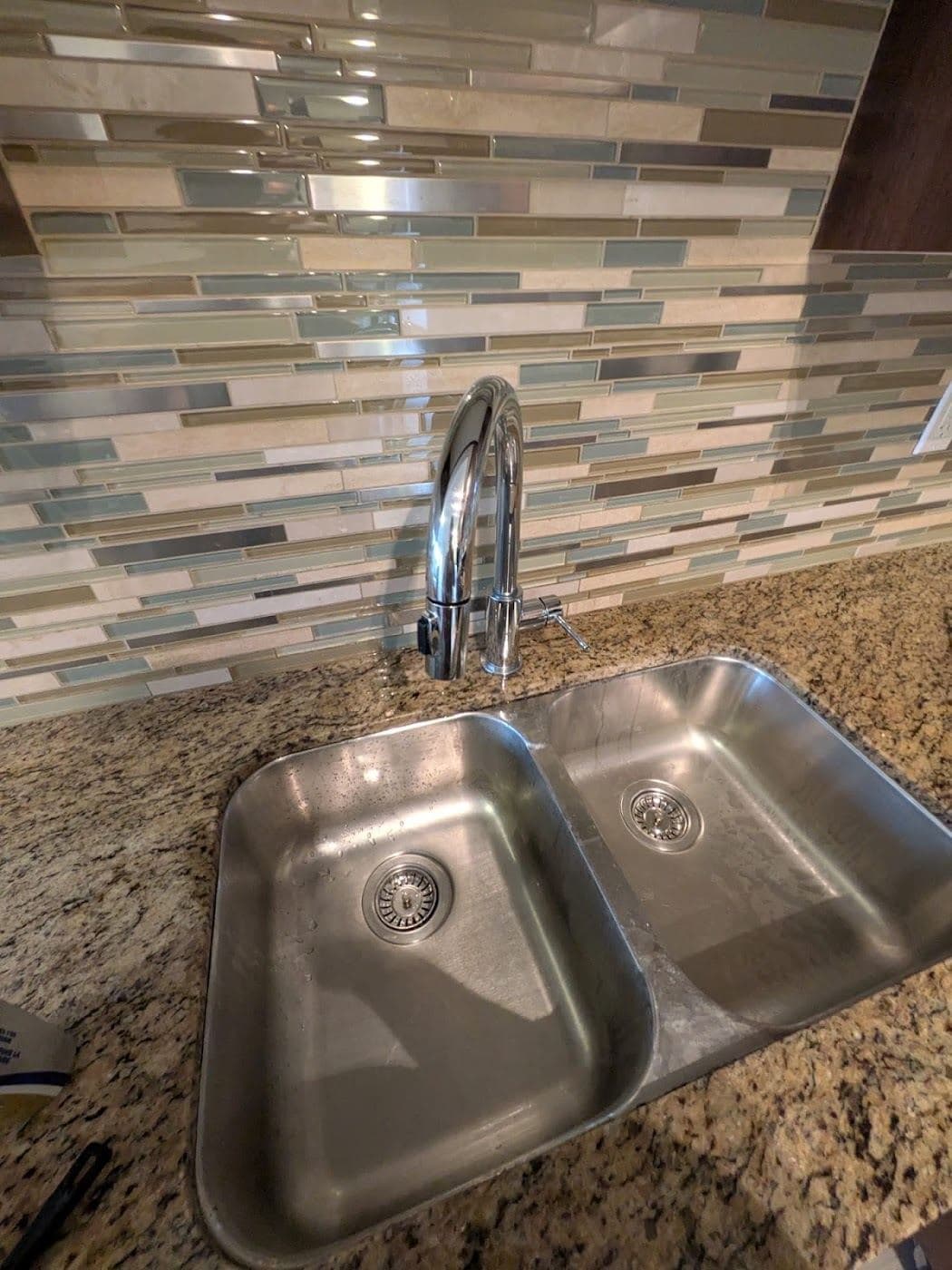
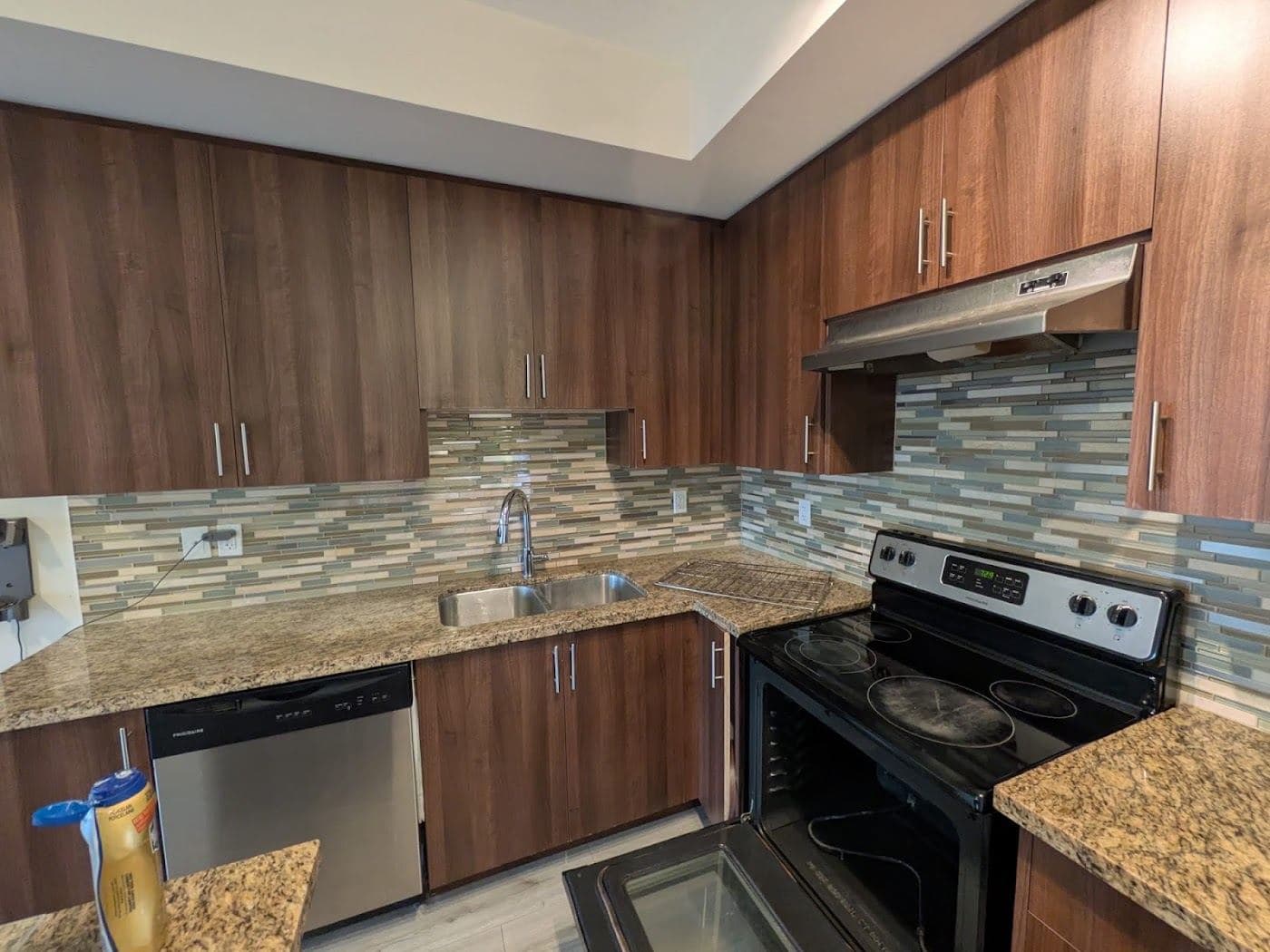
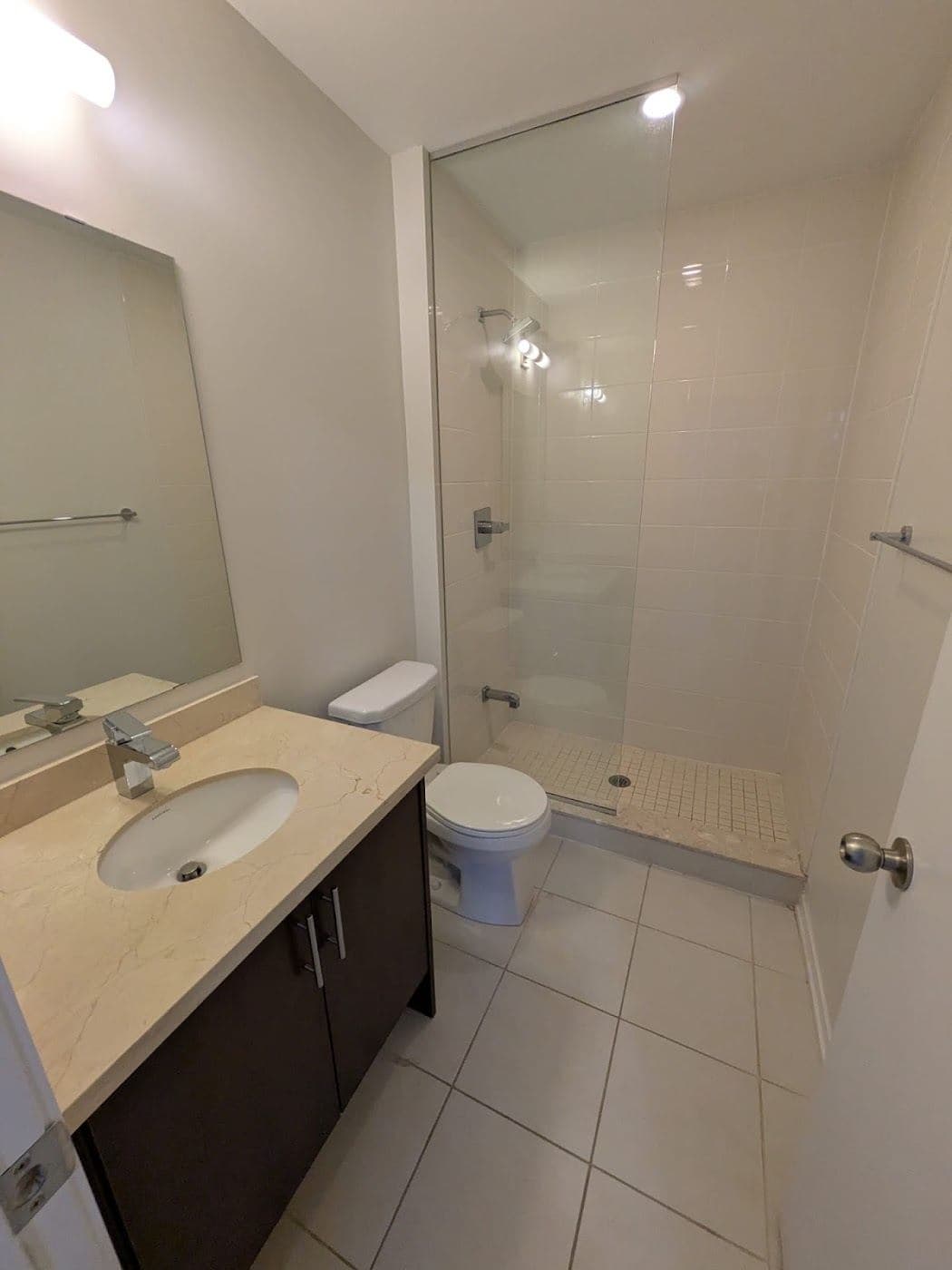
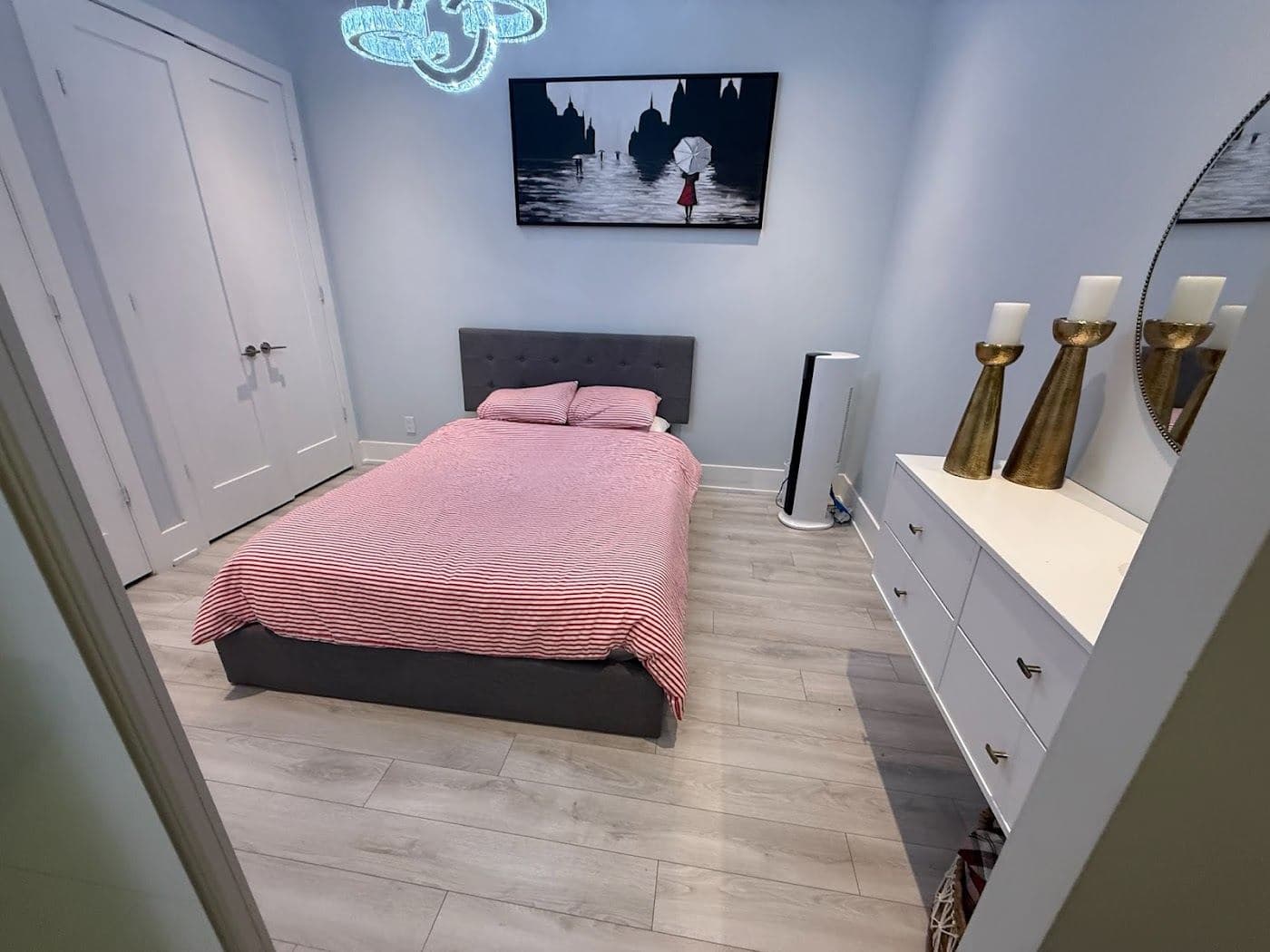
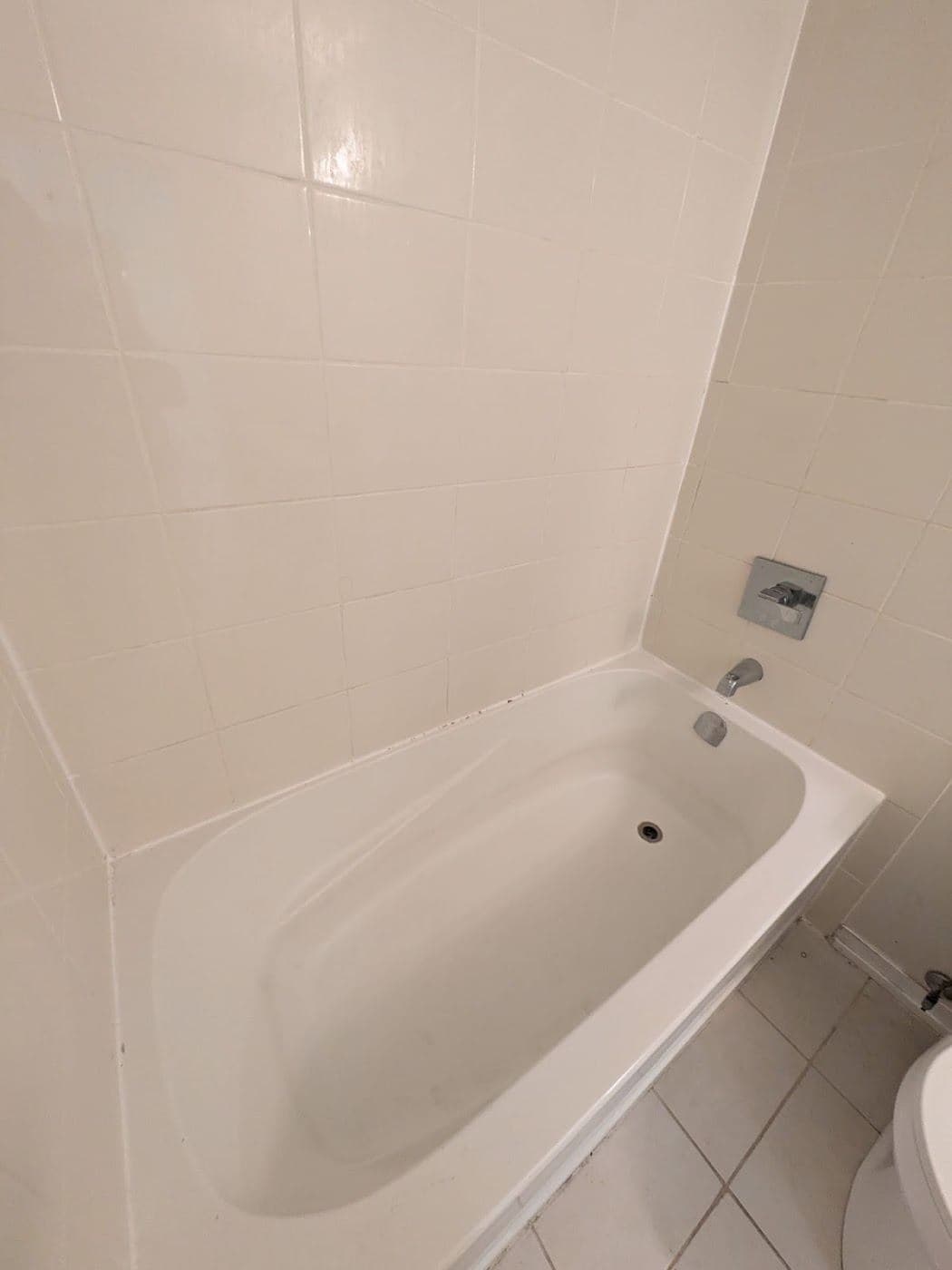
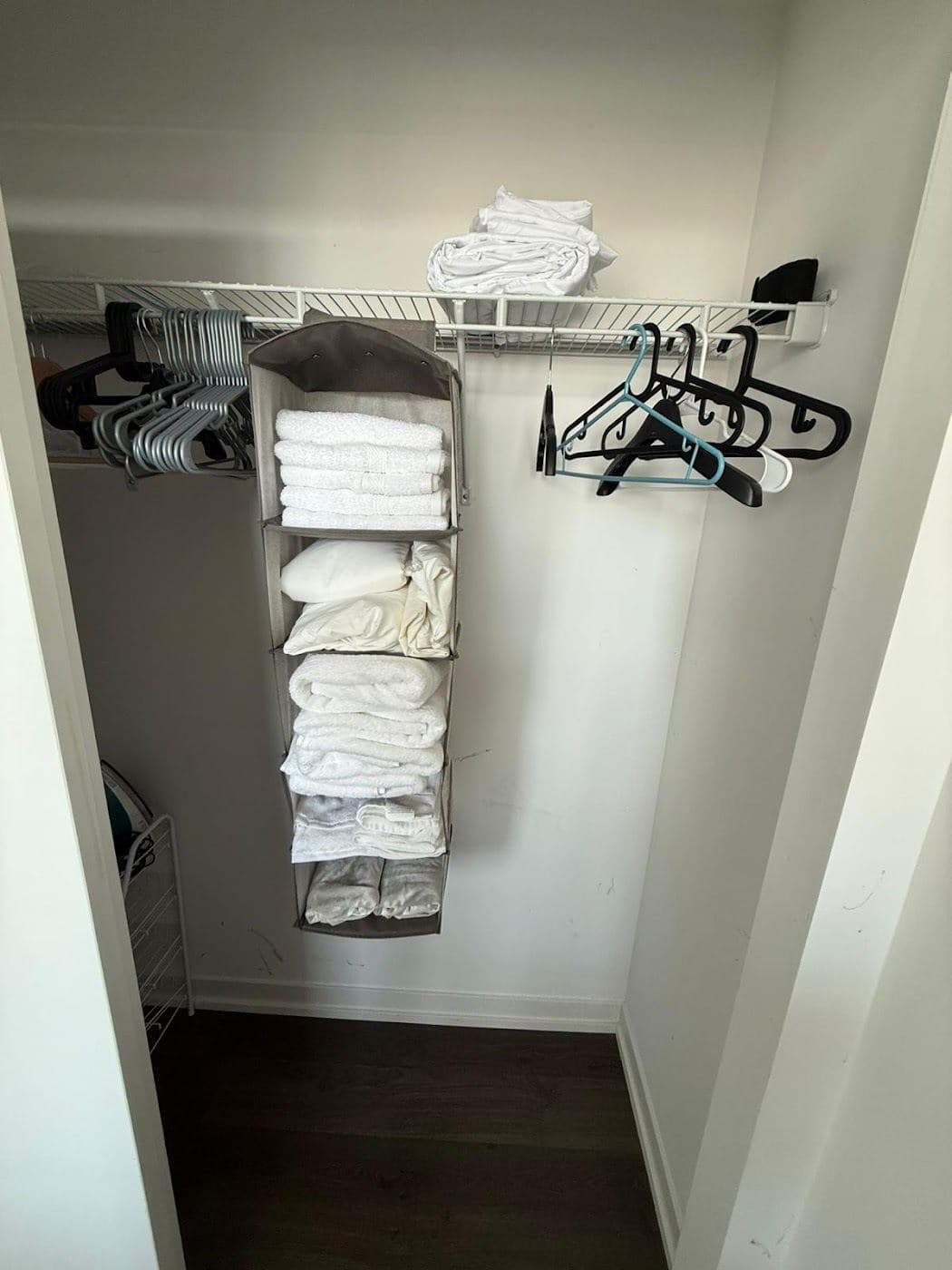
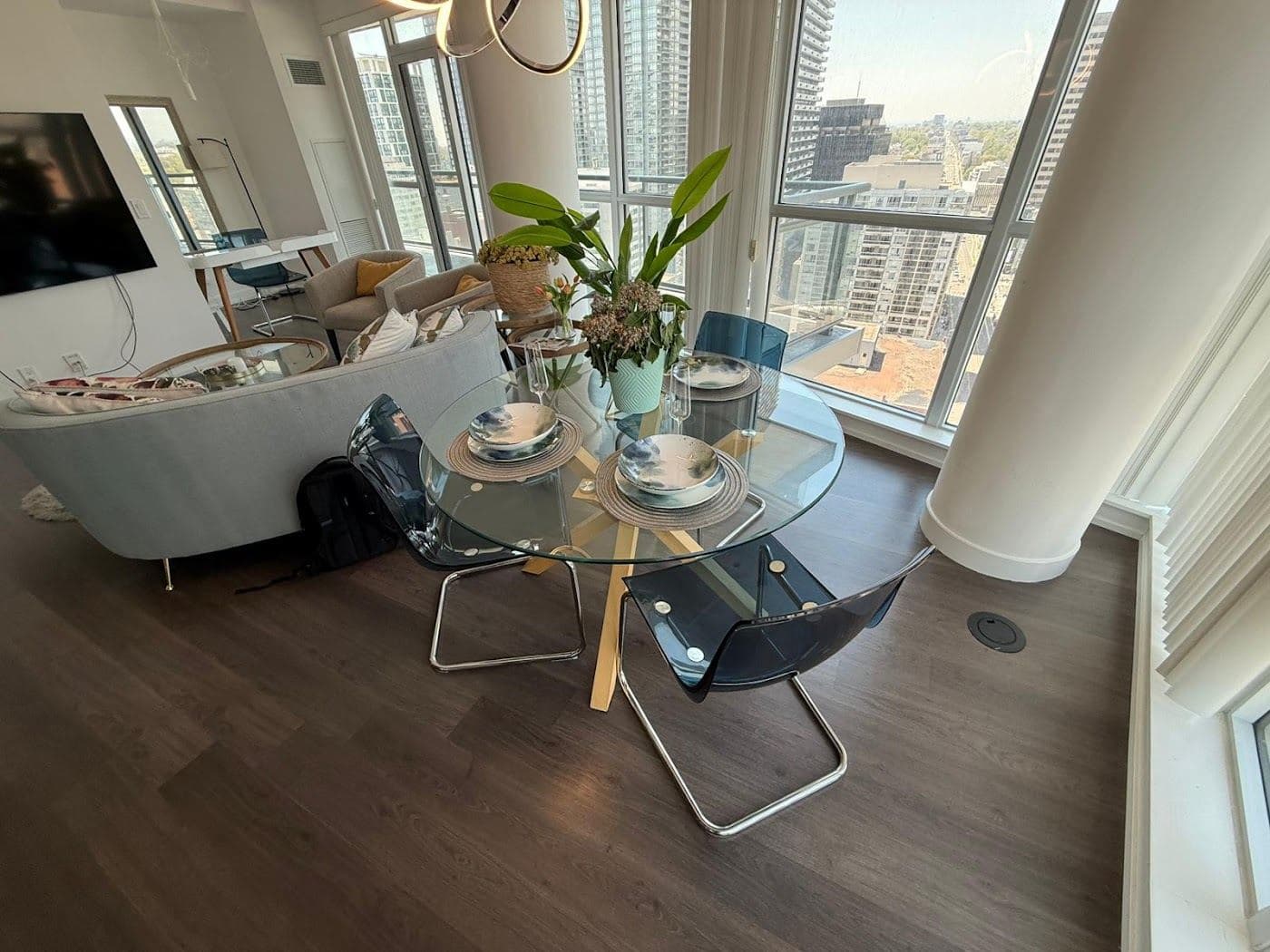
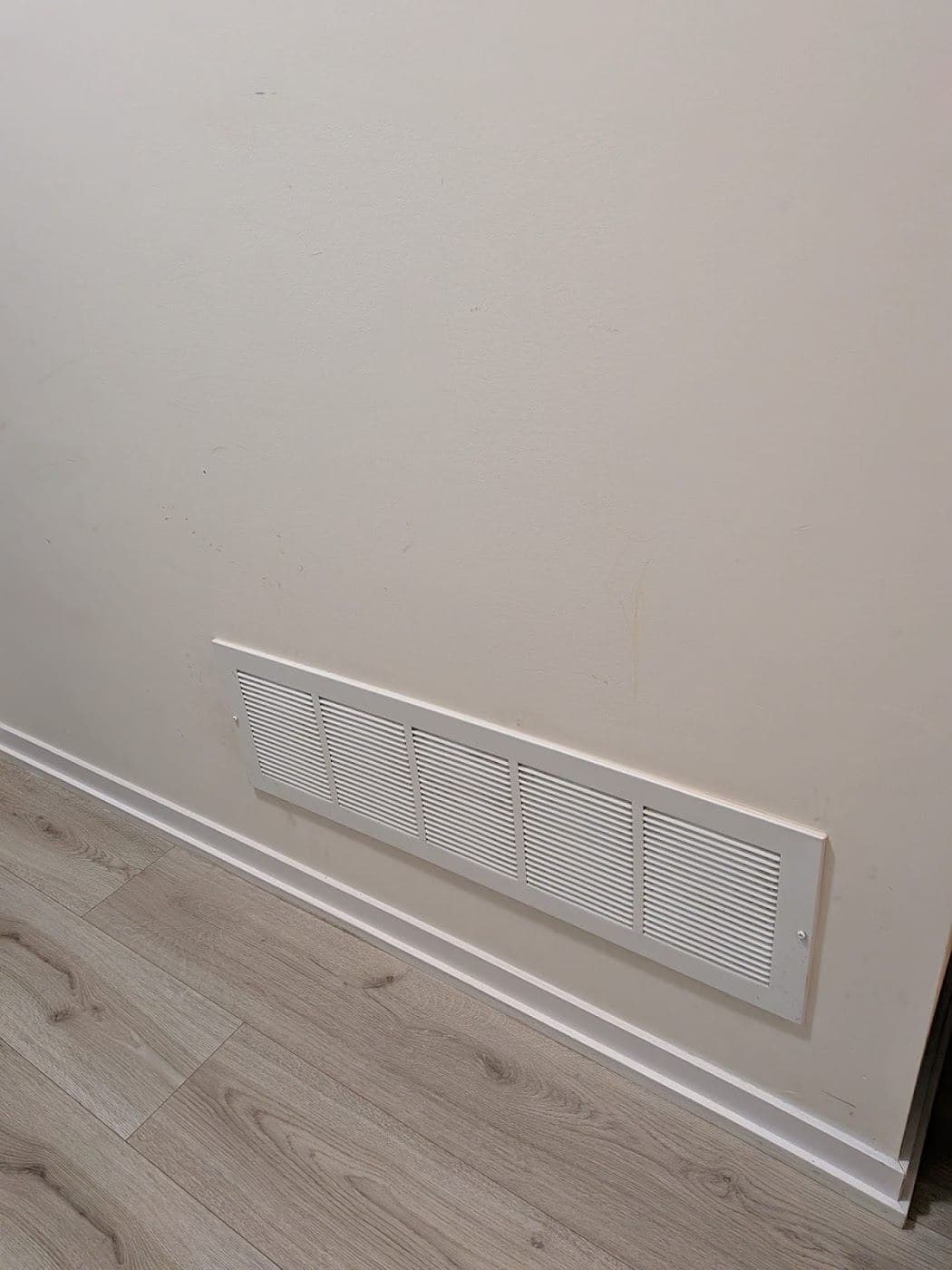
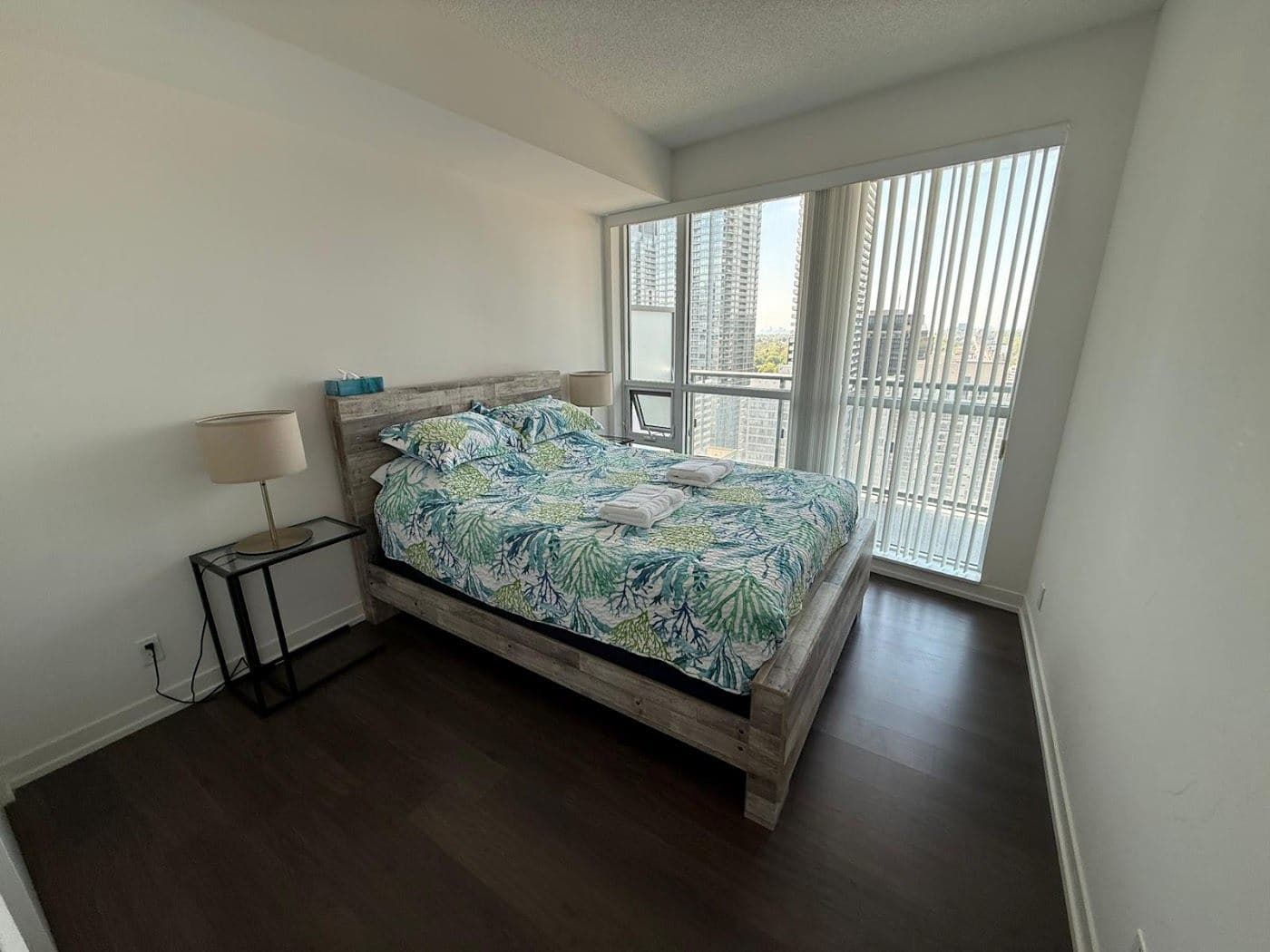
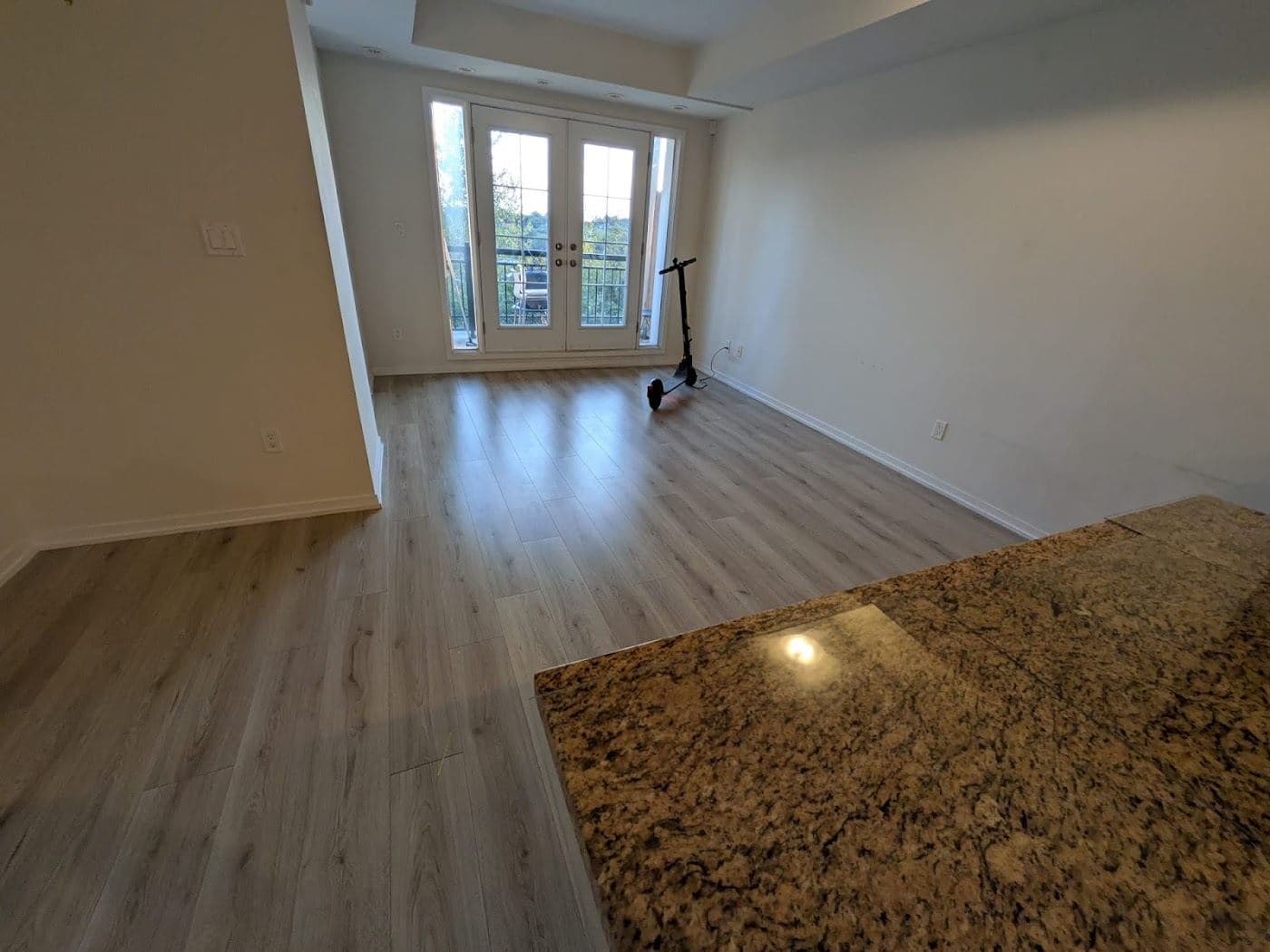
Photographs of work we have done
What shapes a visit in Downtown Toronto.
Downtown homes often need a different cleaning plan than larger houses. Elevator bookings, concierge access, parking, pets, compact kitchens, building rules. SpotlessCo asks for those details before the booking is confirmed.
Condo and apartment cleaning. Planned around building access and elevator timing.
Deep cleaning for move-ins, move-outs, turnovers. Overdue compact spaces too.
Support for organizing closets, kitchens, storage lockers. Also small rooms that need better systems.
Neighbourhoods we clean.
- Financial District
- King West
- Queen West
- Harbourfront
- CityPlace
- Liberty Village
Homes in Downtown.
Condo maintenance
For recurring visits, the focus sits on high-use surfaces, bathrooms, floors, kitchen counters, appliance fronts, mirrors and dusting.
Move timing
Move-in and move-out work can prioritize inside cabinets, bathroom buildup, baseboards, floors, appliance exteriors. Plus the rooms that need to look ready first.
Small-space organizing
Closets, pantries, entry zones, storage lockers and multipurpose rooms benefit from practical sorting and clear zones before the cleaning starts.
What we clean.
- House Cleaning
- Kitchen counters, sinks and appliance fronts
- Toilets, tubs, showers and mirrors
- Dusting in bedrooms and living areas
- Floors vacuumed and mopped
Room-by-room cleaning for Vaughan and GTA homes. A dependable reset, planned before anyone arrives.
- Recurring Cleaning
- The same core rooms every visit
- Kitchens, bathrooms, floors and dusting
- Extra care for the busiest rooms
- Plan updated when your schedule shifts
A steady rhythm for homes that should never start from zero again. Same core rooms, every visit.
- Deep Cleaning
- Baseboards, fixtures and buildup
- Kitchen and bathroom detail work
- Interior windows and sills, where safe
- Priority areas done first
A deeper reset. Spring cleaning, bathroom buildup, interior windows, floor edges, the places a regular visit never gets to.
- Professional Organizing
- Sort, group and edit
- Storage planned before buying bins
- Shelf and closet cleaning, if scoped
- A simple plan to keep it working
Organizing help for the rooms where the clutter keeps coming back. No amount of cleaning fixes those.
- Airbnb Cleaning
- Beds remade with your linens
- Kitchen, bathroom and floors reset
- Supplies restocked from your inventory
- Final walkthrough, damage photographed
Short-term rental cleaning for Vaughan, Toronto, and GTA hosts. The clock matters. So does the guest-ready detail.
Plan the route to the unit before planning the rooms.
A Downtown Toronto condo visit starts outside the front door. Concierge instructions, visitor parking, elevator reservations, key or fob arrangements, and any limits on service entry should be shared before the booking is confirmed. These details are not administrative extras. They determine how equipment reaches the unit and whether the requested window fits the building process. Ask once, up front.
The same preparation matters without a concierge. Note the correct entrance, stairs, parking restrictions, buzzer instructions, pets, and any narrow areas that affect carrying supplies. If an elevator has been reserved for move activity, the cleaning scope should reflect that timing. Awkward parking still belongs in the quote request. A short written sequence from arrival to entry beats a building name alone.
Before arrival
Confirm parking, entry, concierge, elevator, key, contact instructions. All in one place.
Inside the unit
Point out pets, delicate surfaces, closed rooms. And anything that changes the normal room order.
Small rooms benefit from a deliberate order of work.
A compact home is not automatically a light clean. In a smaller kitchen, food preparation, dishes, appliances and storage share a short run of counters. One bathroom may receive all the daily use. The entry collects shoes, bags, deliveries and coats. The scope should describe how intensely each area is used, and whether surfaces will be clear.
Good sequencing keeps those rooms from working against one another. Entry items are grouped first. Kitchen counters and appliance fronts come before the final vacuum or mop. Bathroom surfaces get focused attention without moving personal products repeatedly. In a studio or open layout, surface work and dusting move through the shared zone before floors are finished.
Kitchen pressure
Describe counter access, appliance use, sink condition. And any areas that need separate attention.
Shared zones
Treat studio, dining, work, living functions as connected. Not as unrelated rooms.
Organizing can create the access a thorough clean needs.
Downtown storage often has to serve several purposes at once. An entry closet may hold outerwear, cleaning supplies, luggage and household overflow. A kitchen cabinet may mix pantry goods with small appliances. When those categories blur, items migrate to the closest counter or floor. Cleaning the exposed edges improves the room briefly. That is a storage problem.
An organizing-first plan selects a manageable zone. It does not empty the whole home. The project might begin with an entry, one closet, or the kitchen storage that blocks counters. Daily-use categories stay easiest to reach, and less frequent belongings move out of prime space. Once surfaces and floors are accessible, cleaning finishes the reset. Start there.
One zone at a time
Choose the storage area that causes the most spillover. Into the visible rooms.
Protect open space
Give frequently used belongings a clear home. Before cleaning newly available surfaces.
Define what ready means before a handoff or new start.
Move-related cleaning in a downtown unit should be scoped around its actual stage. An occupied home with boxes needs a different plan from an empty unit where cabinets, baseboards and floors are exposed. Say which one it is. Note whether movers are still working, whether elevator time is shared, and which areas must be completed first. Cleaning during packing creates repeated work.
A deep reset for a continuing resident needs a similarly clear boundary. It may focus on bathroom buildup, kitchen detail, baseboards, dust, or appliance exteriors without becoming a move-out clean. Separating required areas from optional ones makes the visit easier to quote and review. For a handoff, a written room list keeps the focus on accessible surfaces.
Occupied stage
Identify rooms still in use, packed zones, moving activity. Name the surfaces that cannot yet be reached.
Empty stage
Confirm cabinet, appliance, bathroom, baseboard, floor priorities. Once belongings are removed.
For regular, recurring and Airbnb cleaning
Questions about Downtown Toronto.
Can you work with condo access rules?
Yes. Share concierge instructions, elevator booking requirements, parking notes. And any building restrictions, when you request a quote.
Do Downtown Toronto condos cost less than houses?
Often, but not always. Size matters. But so does condition, the number of bathrooms, pets, parking, plus whether organizing is included. Any of it can change the quote.
Can you help with a move-out clean downtown?
Yes. The team can scope a move-related clean around the rooms and surfaces most likely to affect handoff, listing photos, or tenant turnover.
Book a clean in Downtown Toronto.
Property, rooms, date.
Then a real number, not a range.
Send the details with the form, or call. SpotlessCo reads every request and replies with a scope you can hold a price against.
Call (647) 773-6959