Deep Cleaning Service in Vaughan, Toronto, and the GTA. Like it’s brand new.
A deeper reset. Spring cleaning, bathroom buildup, interior windows, floor edges, the places a regular visit never gets to.
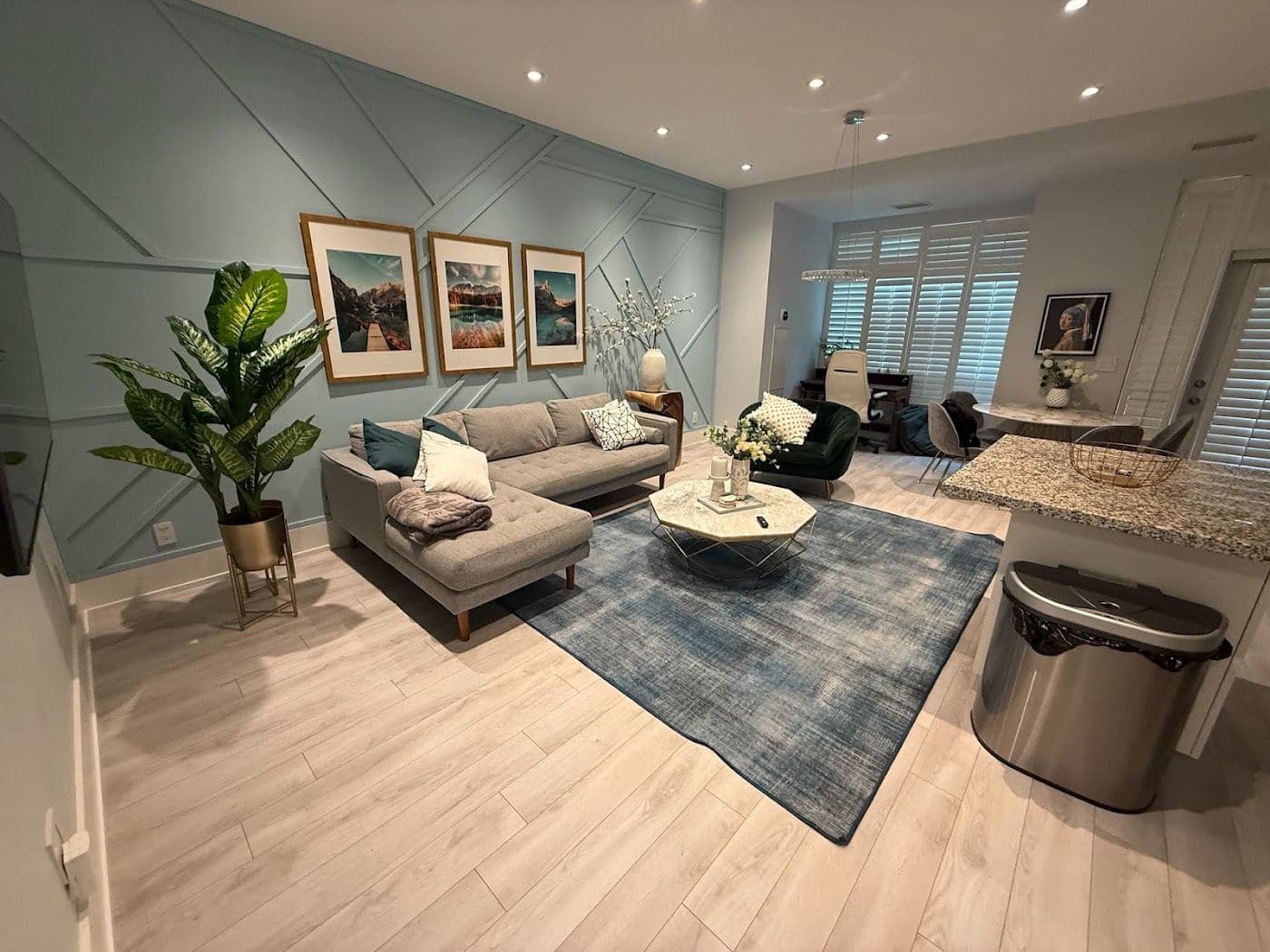
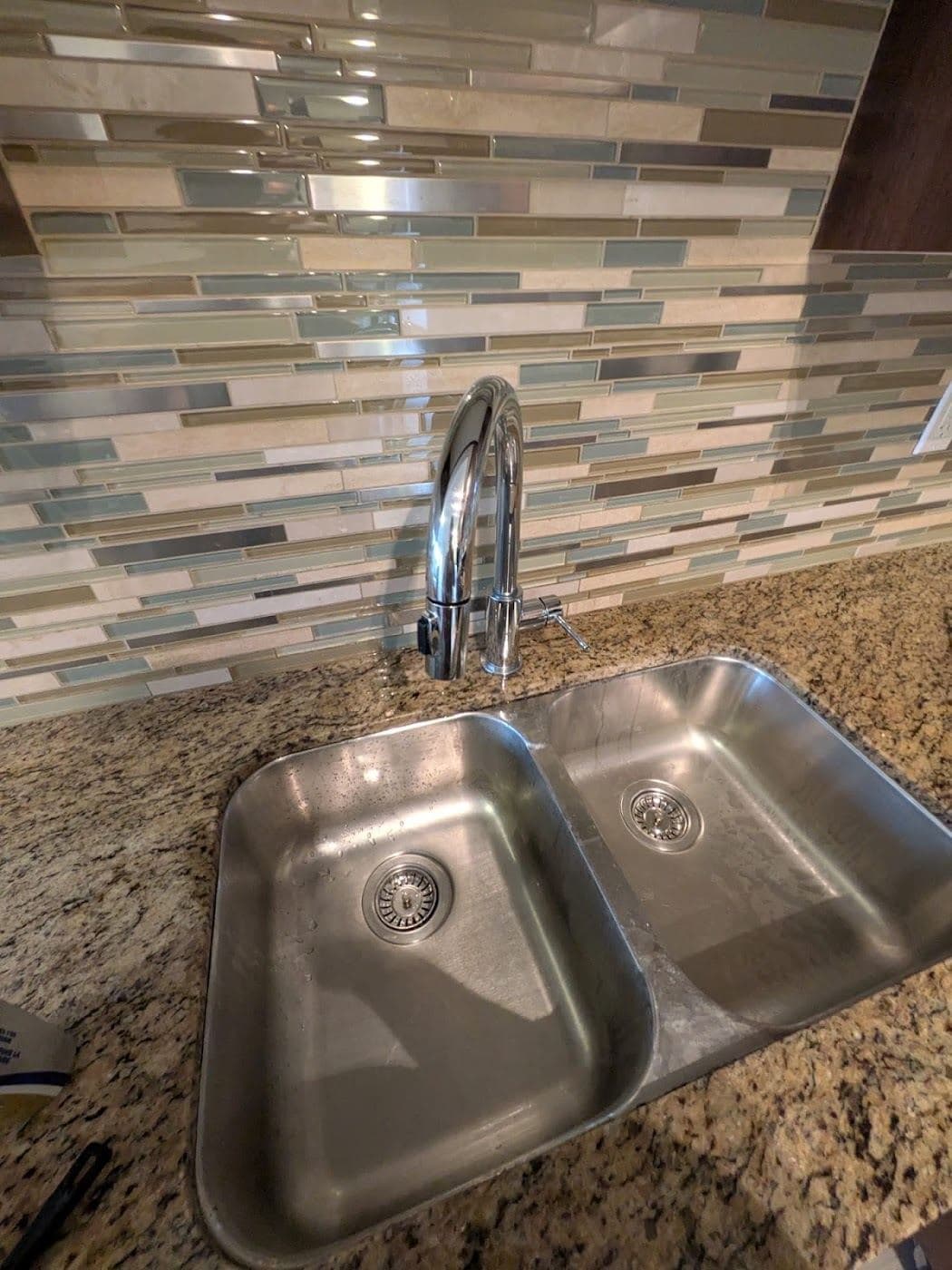
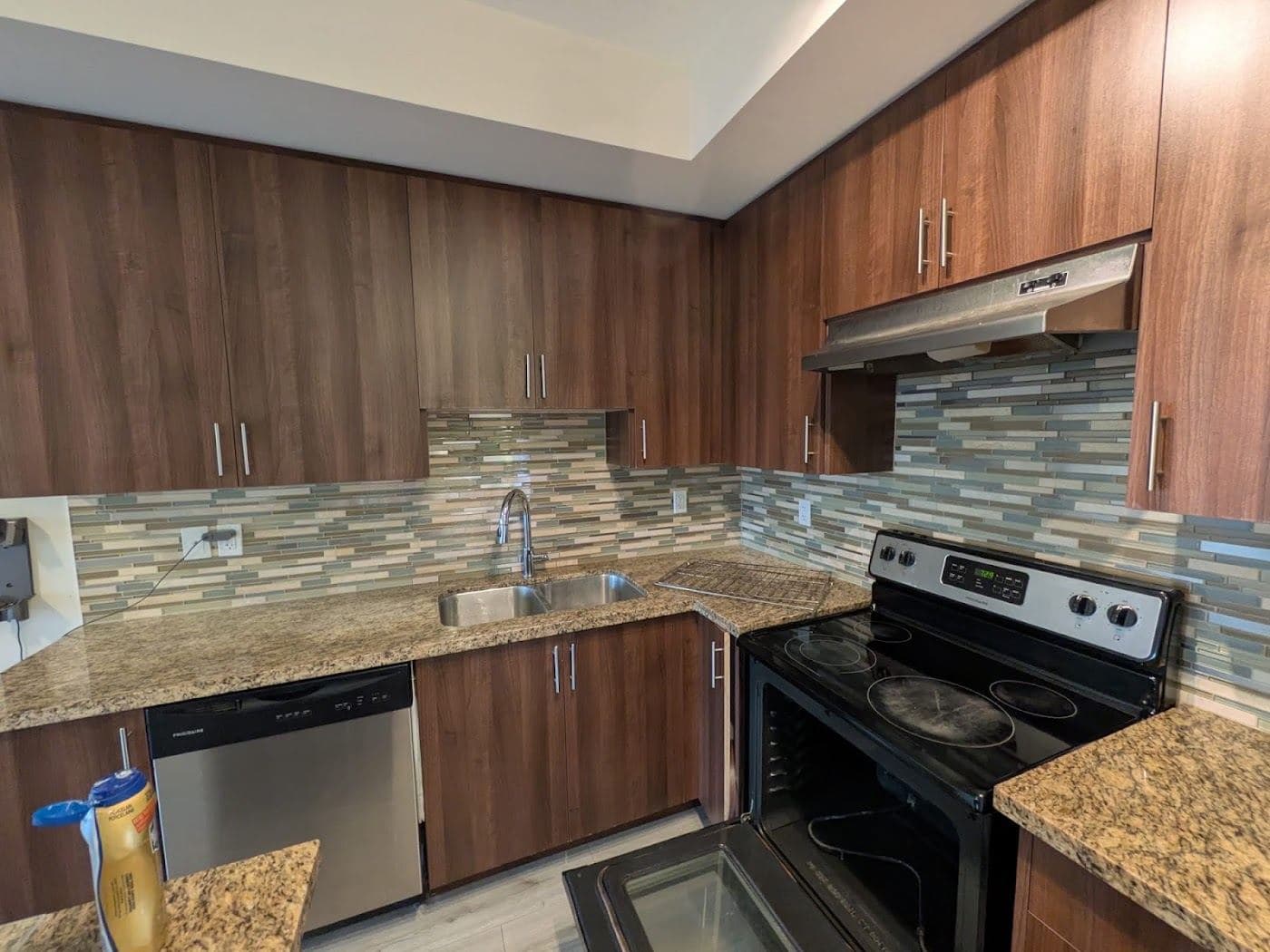
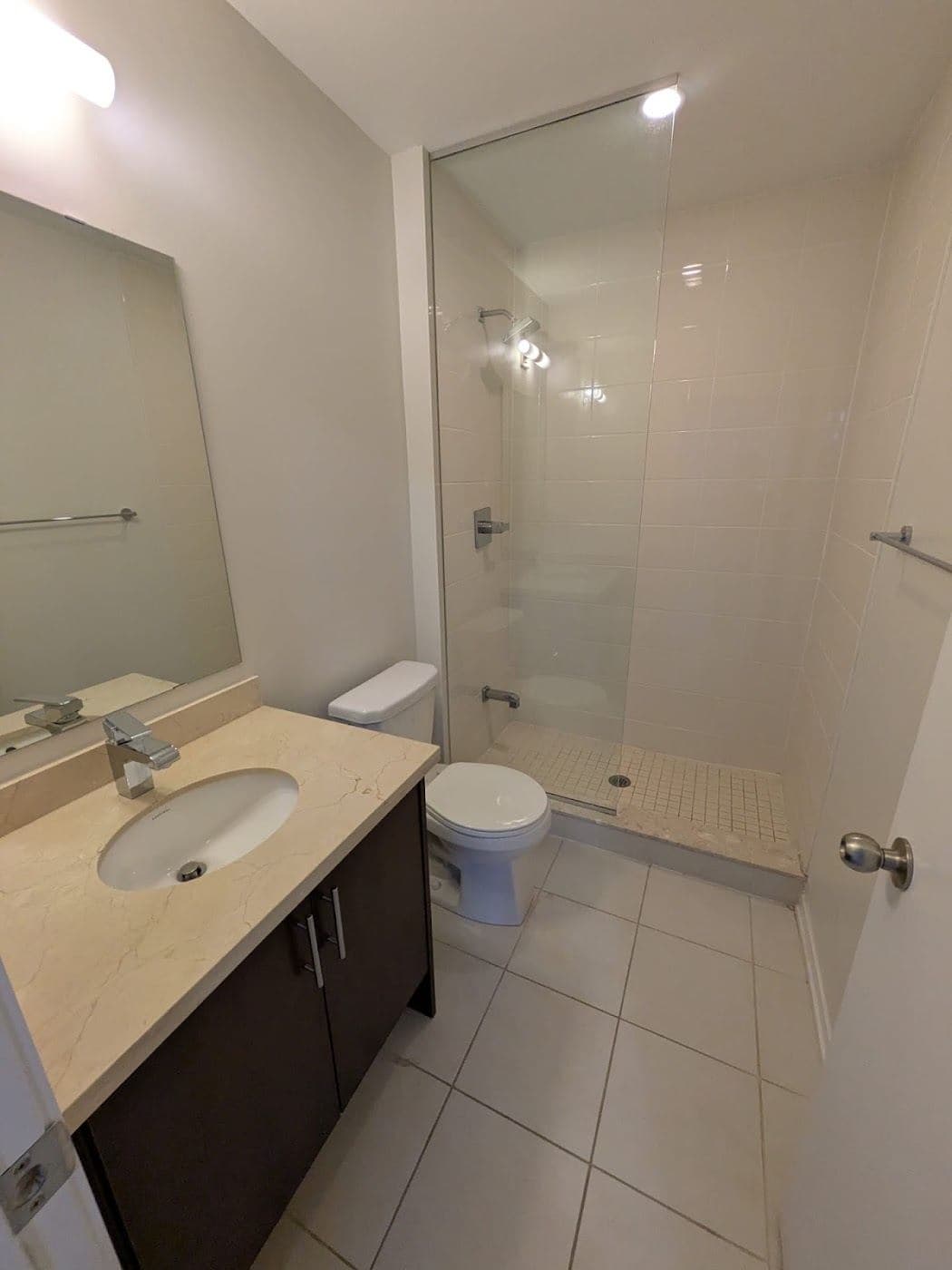
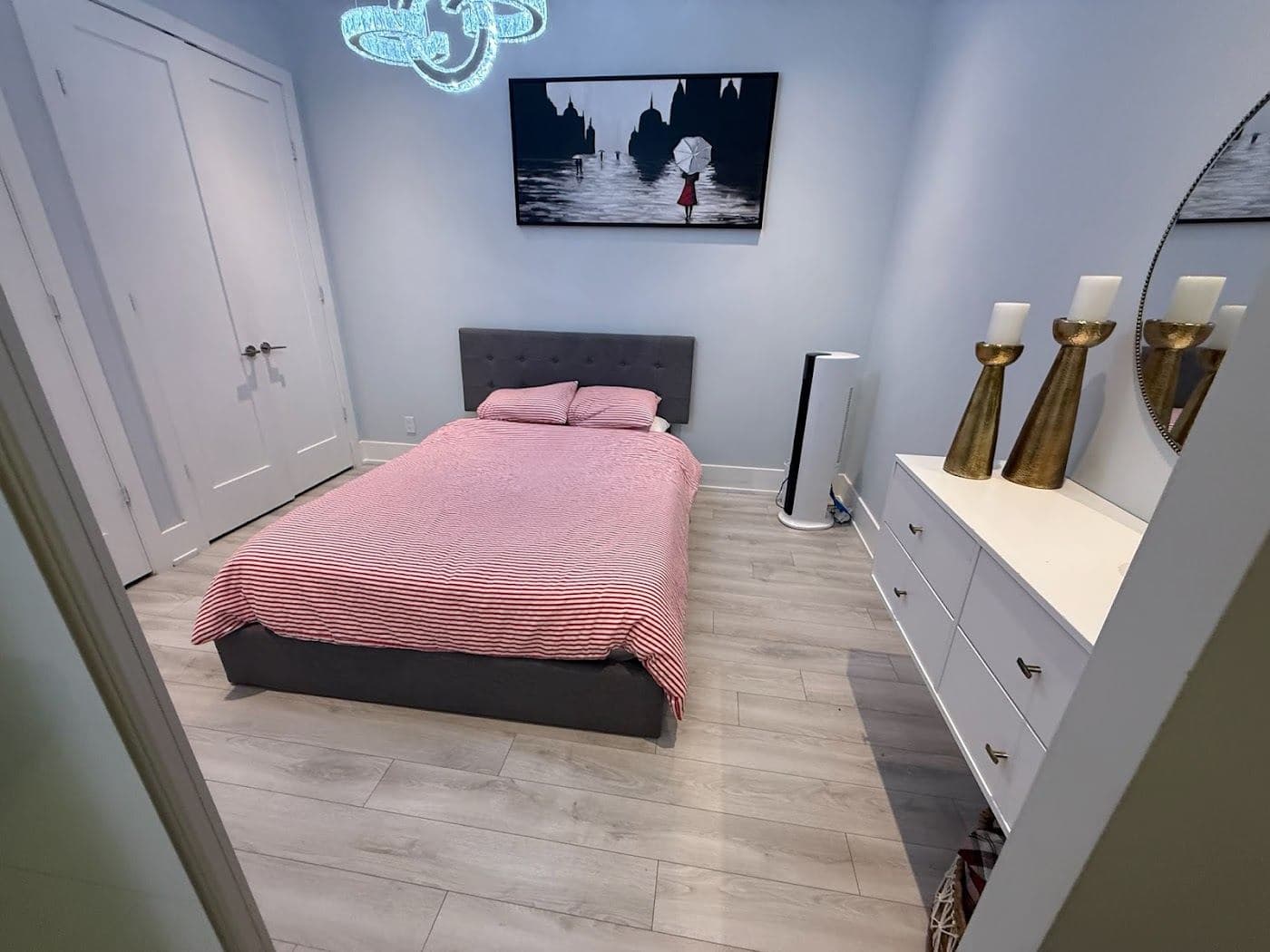
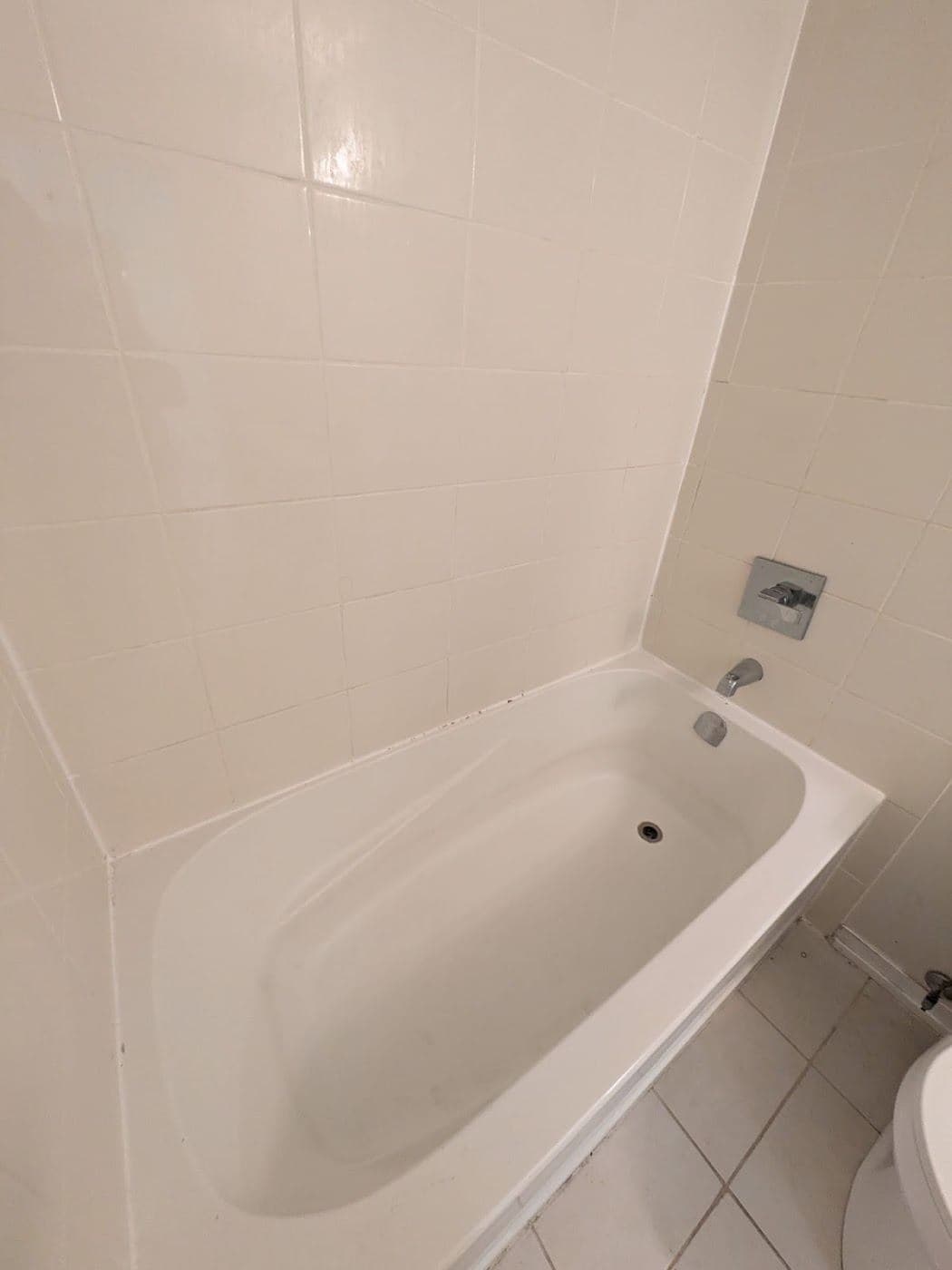
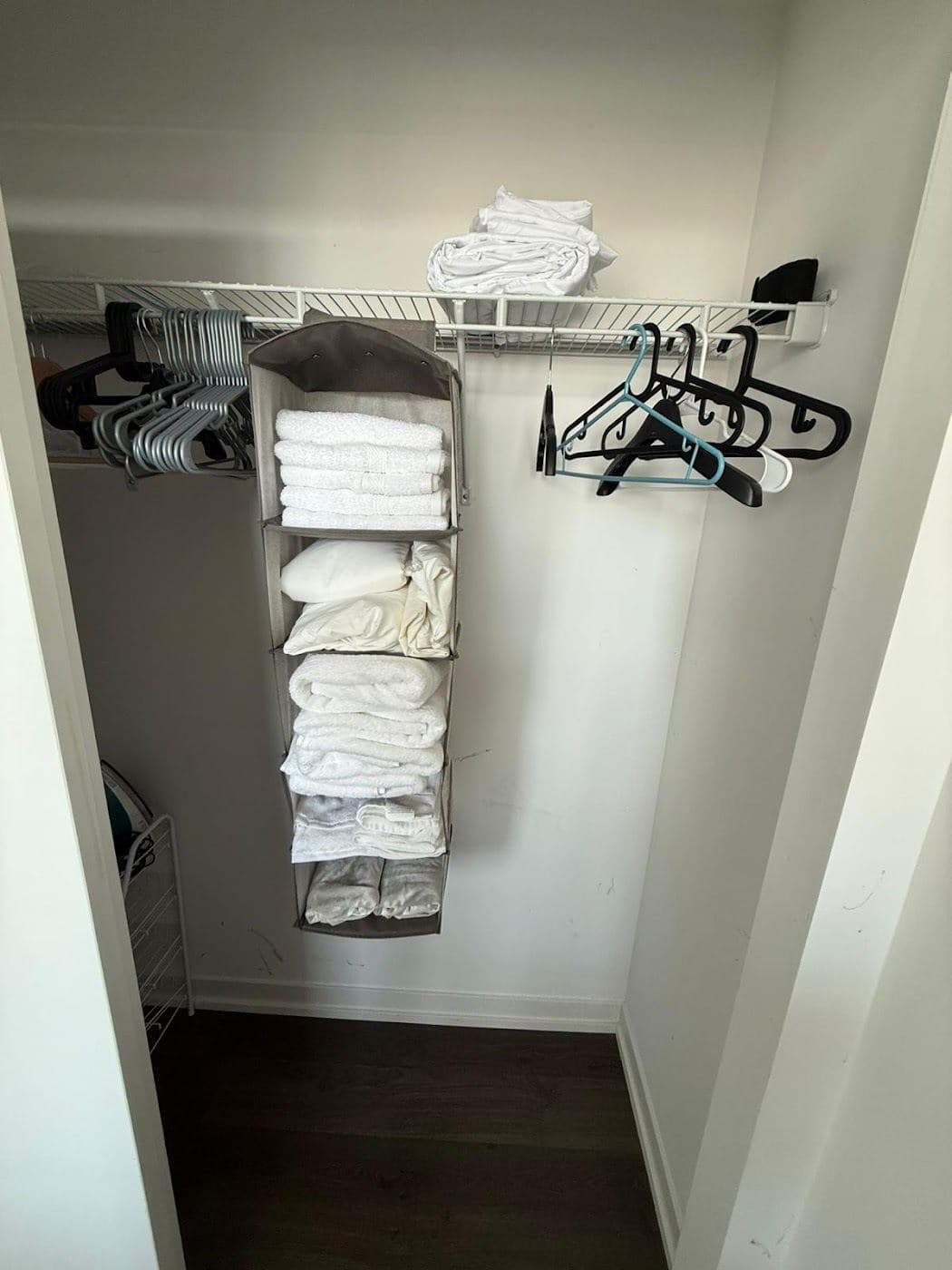
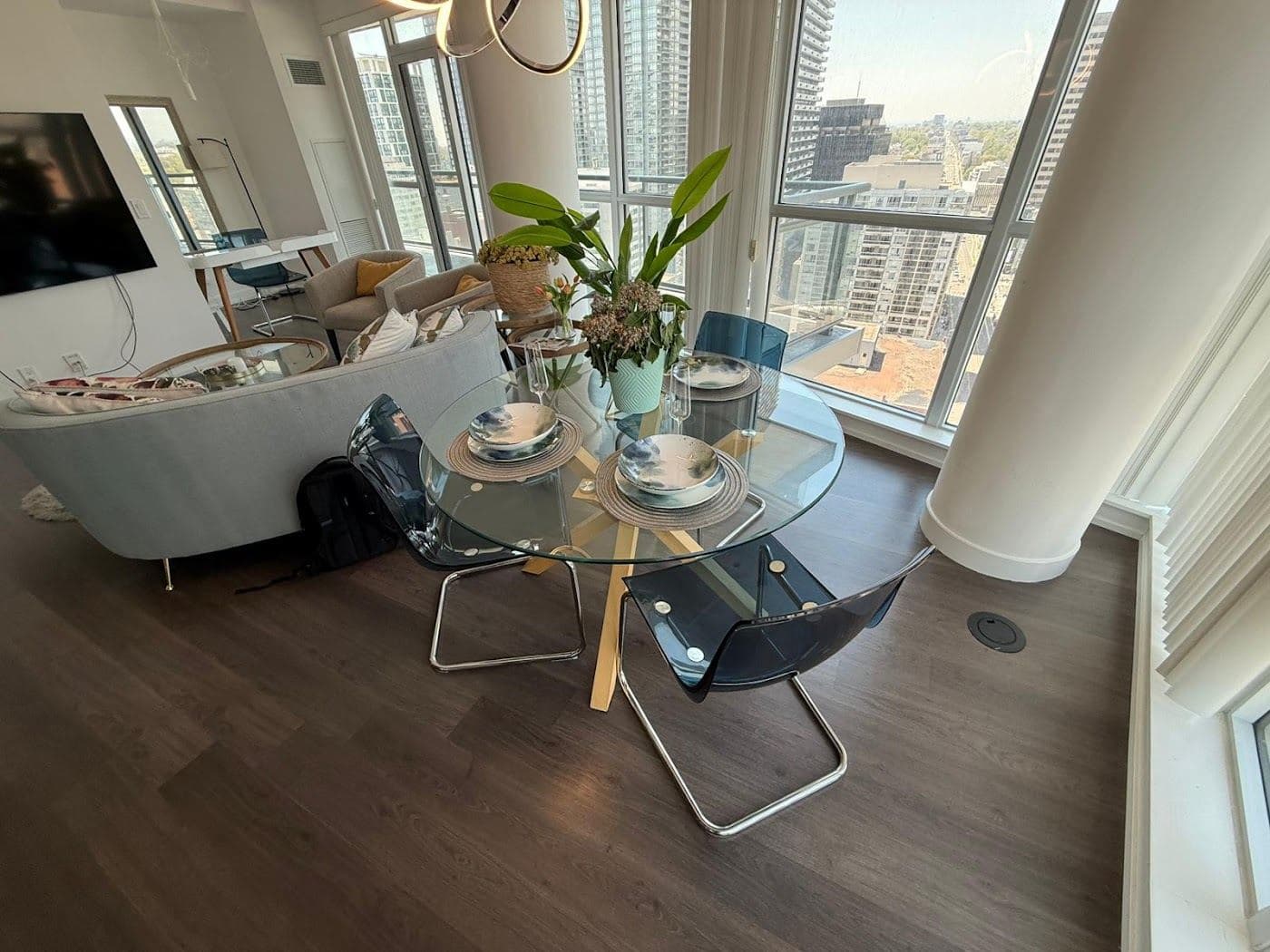
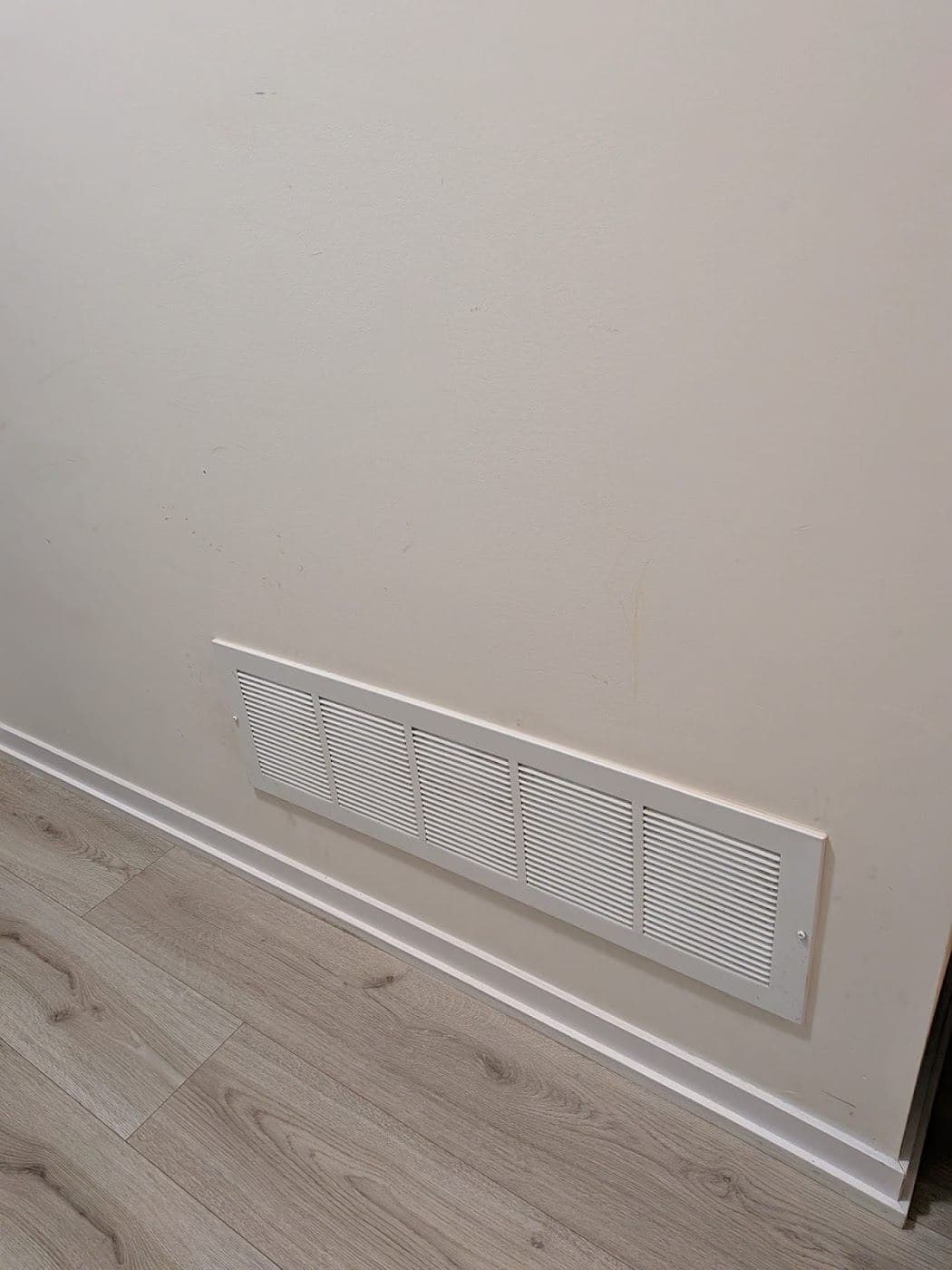
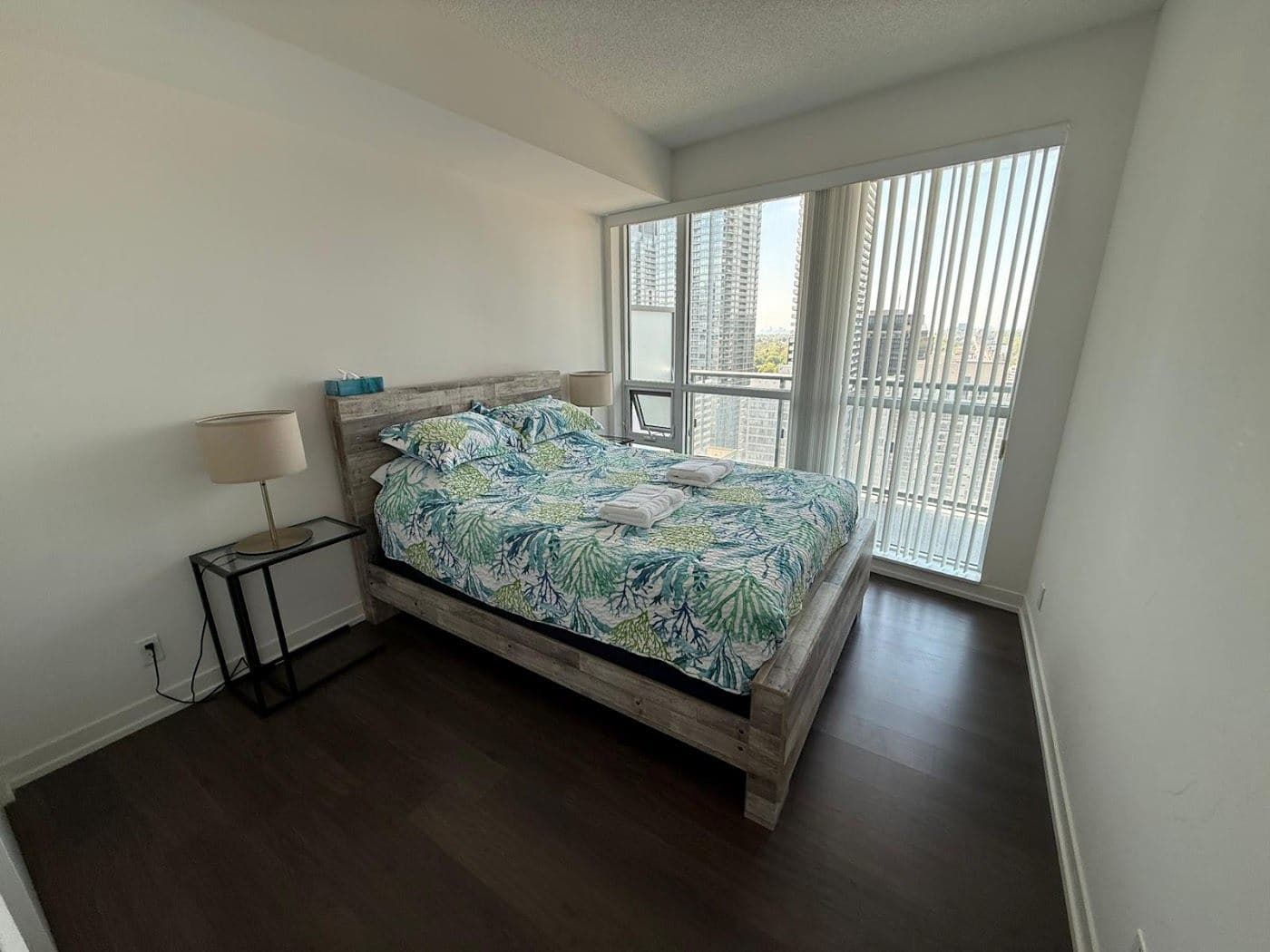
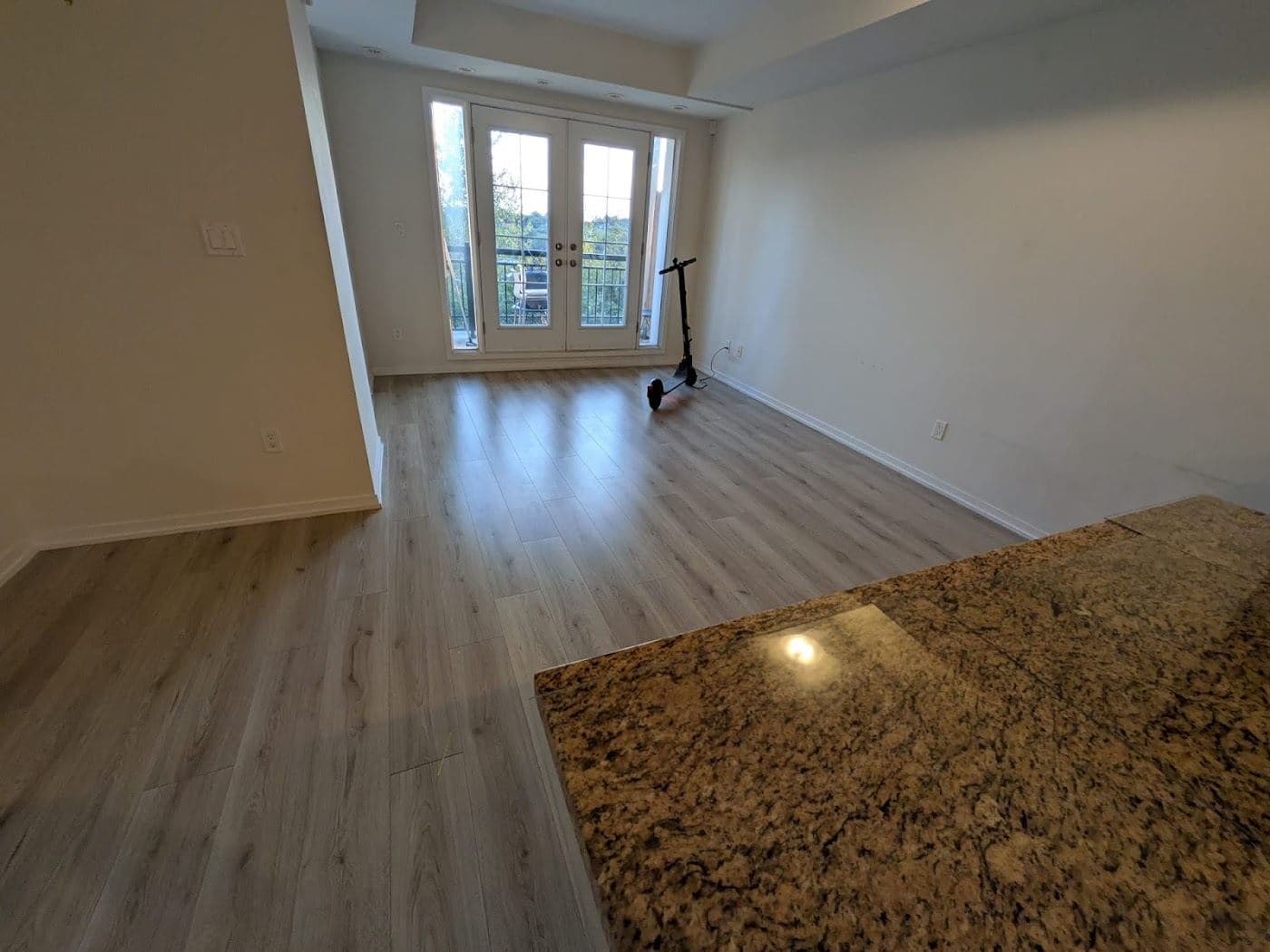
Photographs of work we have done
Deep cleaning in Vaughan, Woodbridge and Concord.
Deep cleaning in Vaughan and Toronto is the detail work regular upkeep cannot reach. Spring cleaning. Heavier bathroom buildup. Interior windows, baseboards, the corners nobody has looked at since last year.
- Baseboards, fixtures and buildup
- Kitchen and bathroom detail work
- Interior windows and sills, where safe
- Priority areas done first
Who it is for.
Pick this when the home needs more than maintenance. Buildup, a seasonal reset, move preparation, or detail work that keeps getting postponed.
Spring cleaning. Or a reset after a long gap between professional visits.
Bathrooms, baseboards, interior window surfaces, floor edges. The detail areas that keep getting skipped.
Homes that need heavier attention before recurring service starts.
What deep cleaning includes.
Detail cleaning for bathrooms and kitchens. Baseboards, fixtures, anywhere buildup collects.
Interior window and sill cleaning where access is safe and practical.
Vacuuming and surface refresh for carpeted areas. Carpet extraction is not offered.
A priority list, so the areas that matter most go first.
How the visit is planned.
Scope first, then the date.
Share the details
Name the areas that feel overdue, or that you have quietly stopped keeping up with.
Confirm the scope
Separate the standard cleaning from the detail work. That keeps the pricing clear.
Use the deep clean as a reset
Then decide whether recurring cleaning is worth setting up.
Define what makes this visit deeper than routine cleaning.
A deep clean earns its name when the extra work is named in advance. Kitchen grease and bathroom scale are not the same job. One wants heat, degreaser, and time; the other an acid product and a careful test. Baseboards through a whole house can eat the hours meant for interior windows, so the wish list gets ranked before anyone starts. Say what has been postponed, and for how long.
A walkthrough helps. So do photographs, or a room list, since a scope written from memory leaves out the rooms that take the time. Mention a renovation, a long empty stretch, pets, or heavy cooking where it changes what is visible. And do not assume deep cleaning means every add-on is in. Interior appliances, awkward reach, and heavy furniture each get discussed on their own.
Name the buildup
Grease. Soap scum. Dust along the floor edges. Say which rooms, and which of those.
Rank the outcome
If the wish list is bigger than one realistic visit, say what matters most.
Separate specialties
Flag exterior windows or difficult access instead of treating them as standard detail work. Carpet extraction and stain treatment are not offered.
Prioritize detail where it changes the home most.
The best deep-cleaning hours are never spread evenly across a house. Kitchens and bathrooms carry the most layered residue, because heat, water, product, and constant handling meet inside a few square metres. Entries and floor edges hold what routine passes skim over. Bedrooms want careful dusting more than scrubbing. Start where the discomfort is. Three rooms you stop apologising for beat forty small details.
Access decides more than technique does. An empty cabinet interior is a wipe. The same cabinet full of tins is an unload, a sort, a clean, and a careful reload. That has to be agreed before the day. Interior windows only make sense where they can be reached safely. If belongings are the barrier, the organizing or packing decisions come first.
Wet rooms first
Kitchens and bathrooms usually earn the concentrated time. Several kinds of buildup land in the same square metre.
Edges and transitions
Baseboards, corners, door frames, sills and floor transitions. They give a room its edges back.
Accessible interiors
Cabinets, appliances and windows. Each gets confirmed on its own, with the contents and the access understood first.
A clean home photographs bigger than it is.
Cameras are unkind to surfaces. A wide-angle listing shot takes in every ledge, sill, and edge at once, and the things a room forgives in person are the first things the eye finds in the photo. Clear counters read as more counter. Clean floors read as more floor. The same holds at a showing: nothing pulls attention sideways, so the space itself gets looked at.
Sequence matters more than most people expect. Decisions about belongings come first, because a deep clean cannot reach a surface that is still covered. Then the clean. Then the photographer. Booked the other way around, each step undoes the one before it.
Before photos
Glass, floors, kitchen and bathroom surfaces. Everything a wide lens takes in at once.
Before showings
Entry, kitchen, bathrooms, and the rooms people linger in. Clear surfaces hold attention on the space.
In that order
Belongings, then cleaning, then photography. Each step undoes the last if they run backwards.
Deep cleaning questions.
What is the difference between deep cleaning and regular cleaning?
Regular cleaning maintains a home already in reasonable condition. A deep clean goes after what maintenance leaves behind: mineral scale, grout, appliance interiors, cabinet interiors, baseboards, window tracks. It is measured in hours, not rooms, so it is quoted separately once the condition has been reviewed.
What does a kitchen deep cleaning service cover?
Cabinet fronts and handles. Backsplash, counters, sink, taps, and appliance exteriors. The cooktop and range hood degreased, not wiped. Inside the oven, fridge, and dishwasher is detail work agreed before the visit. Floors go last. Say which appliance interiors you want.
What does a bathroom deep cleaning service include?
The parts a routine clean cannot fix. Mineral scale on glass and taps. Grout, tile joints, discoloured caulking. An acid product that works on tile can etch natural stone, so an unfamiliar surface gets tested first. Surfaces stained through get recorded, not scrubbed.
Do you offer condo deep cleaning?
Yes. In a condo the logistics shape the visit. Elevator booking, a service entrance, and a loading-dock window get settled before the date. A small suite can still fill a working day. Mention a locker or balcony to include it; neither is assumed.
Do you do deep cleaning in Woodbridge and Concord homes?
Yes, and in Toronto too. SpotlessCo is based in Vaughan. The houses vary widely: Woodbridge grew by ten subdivisions between 1951 and 1956, and Concord's housing began east of Keele Street in the same decade. In an older house, name the original floors or trim that need a gentle product.
Is spring cleaning the same as deep cleaning?
It is the same work with a more predictable target list. A winter drives salt, grit, and dry indoor dust into a home, and it lands where anyone can name in advance: entries, sills, floor edges. The checklist still depends on the home.
Do you provide carpet cleaning?
Carpeted areas are vacuumed and refreshed as part of a deep clean. Carpet extraction and specialty stain treatment are not offered. Both belong to a specialist trade and are worth booking separately.
Can I book only bathroom cleaning?
Yes. The quote can put bathrooms first, or whichever detail-heavy room is the actual problem. There is no requirement to buy a whole-home deep clean to get one shower sorted.
Prepare the home for detail, not just general access.
Deep work needs more preparation than a maintenance visit. Most of the targets sit behind the things you use every day. Take the bottles off the shower ledge if the tile is the point. Empty a cabinet only where the inside is in scope. If the household can safely shift a sofa beforehand, say which reachable areas should be added.
Work out where people and pets will be. Rooms come out of use while detailed work is happening, and wet floors need a path around them. Mention product sensitivities and material-care rules early. A marble vanity and a quartz one look identical and want opposite products. None of this makes the home cleaner in advance. It gives the agreed list a fair chance of being finished.
Expose agreed areas
Clear whatever the scope named: ledges, cabinet interiors, sills, floor edges.
Identify sensitivities
Surface restrictions and product concerns. Say them before anything gets sprayed.
Protect circulation
Decide where the residents and the pets will be while detailed rooms and wet floors are in progress.
Turn a one-time reset into a manageable baseline.
After a deep clean, watch what comes back and why. Ordinary use is one thing. A room without a workable routine is another. Kitchen film responds to shorter intervals between wipes. A counter with nine things on it responds to storage decisions. Bathroom scale slows with ventilation, and a squeegee does more for shower glass than any product.
The maintenance list should be lighter than the deep-cleaning list. Keep the core steady: kitchens, bathrooms, floors, dusting, high-touch surfaces. Rotate the occasional detail. Write down whatever could not be finished. A task blocked by access vanishes if it only existed as a sentence on the day. Hold the result for a few weeks and recurring service can carry it from there.
Create a lighter core
Carry forward the routine tasks that stop high-use rooms sliding back to where they started.
Rotate detail
Baseboards, sills, cabinet fronts. Revisit them when they start to show, not on a fixed calendar.
Record unfinished items
Keep a written note of the specialty or access-dependent work. It needs planning of its own.
Ask for a quote.
Property, rooms, date.
Then a real number, not a range.
Send the details and SpotlessCo replies with a quote built from your actual rooms.
Prefer to talk it through? Call (647) 773-6959, or reach us through the contact page.
Tell us what you need cleaned or organized.
Say which rooms matter most.
Scope and price confirmed first.