House Cleaning Company in Toronto. Like it’s brand new.
For people comparing cleaning companies and trying to avoid a vague promise.

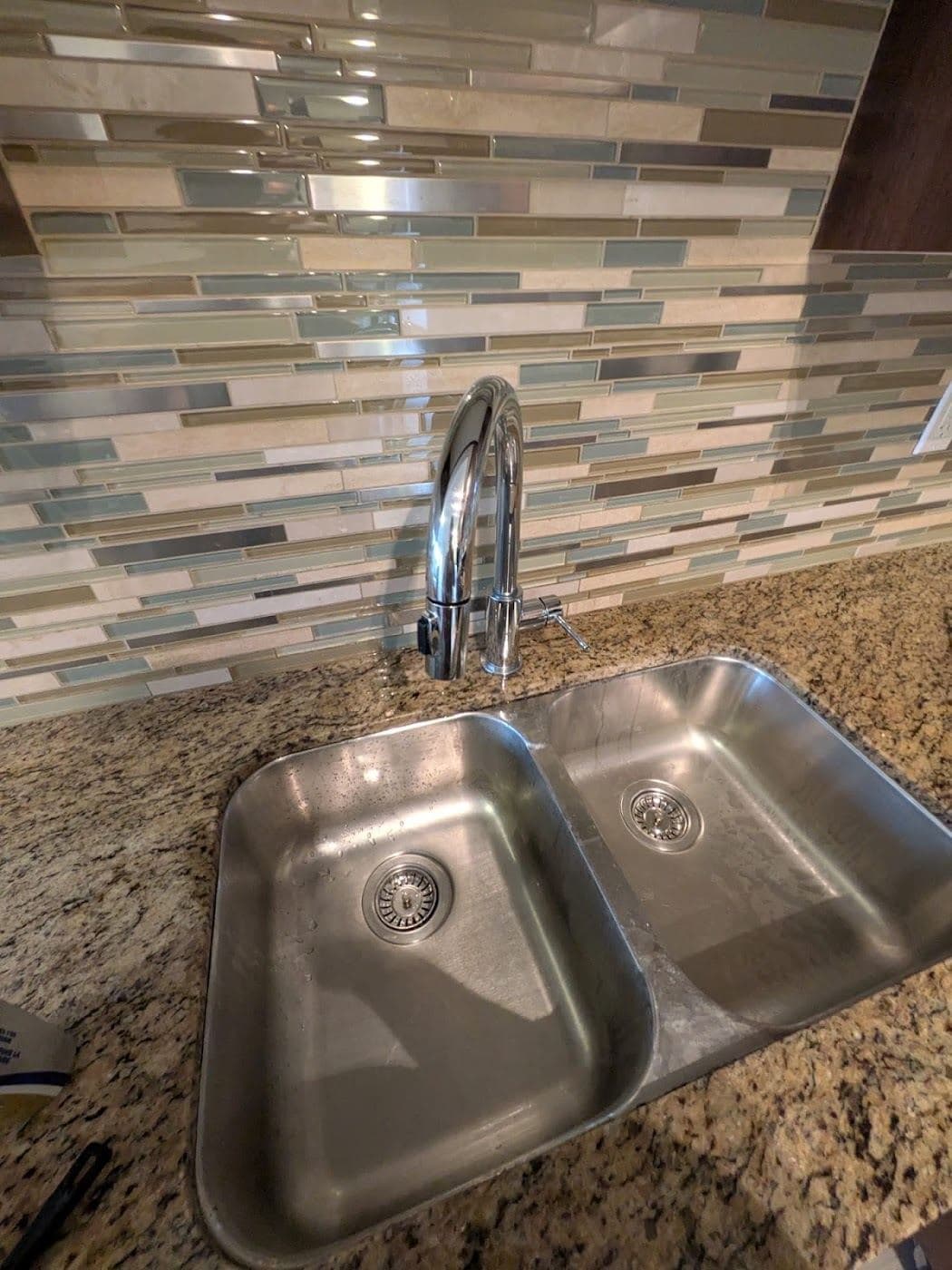
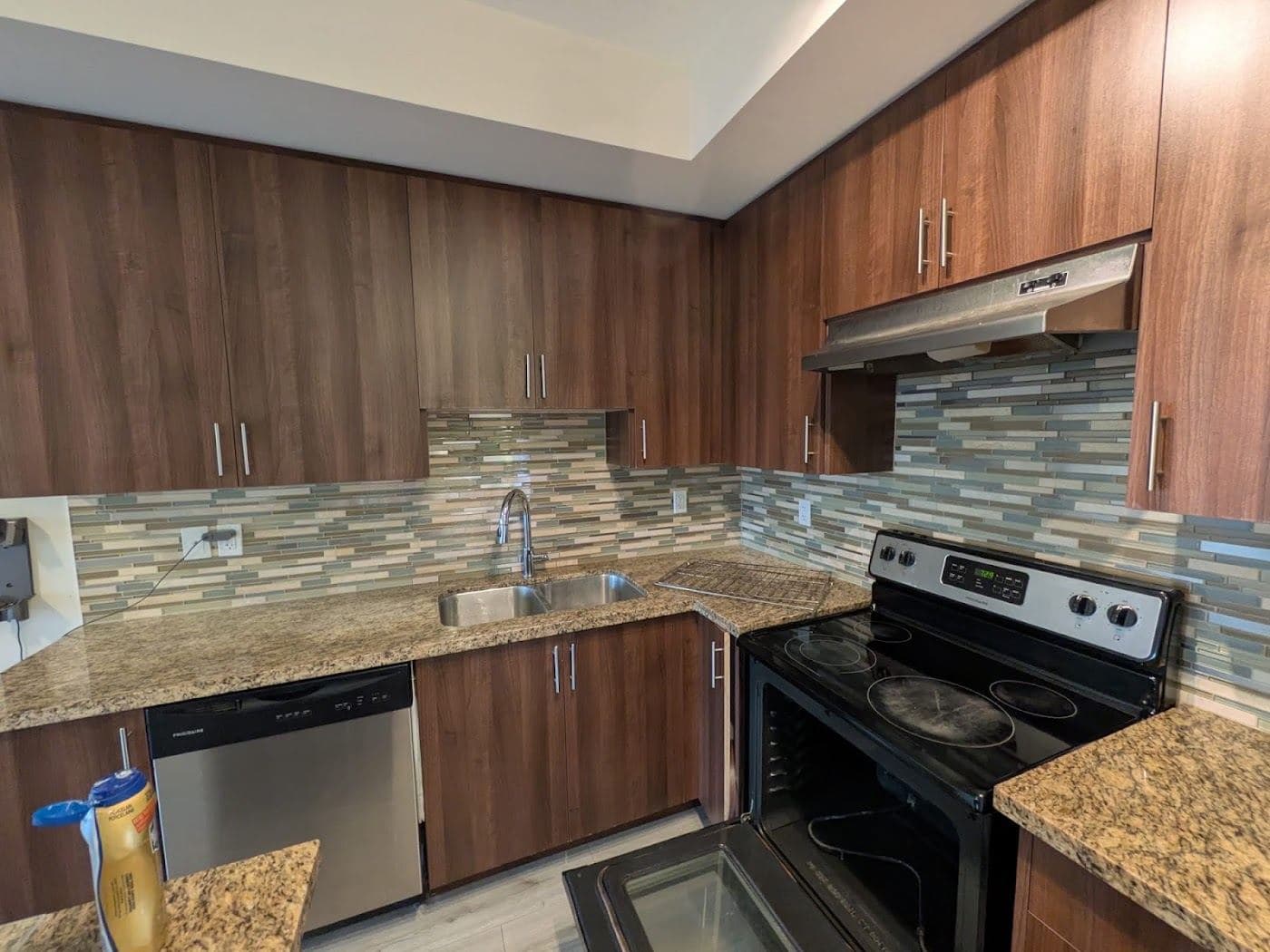
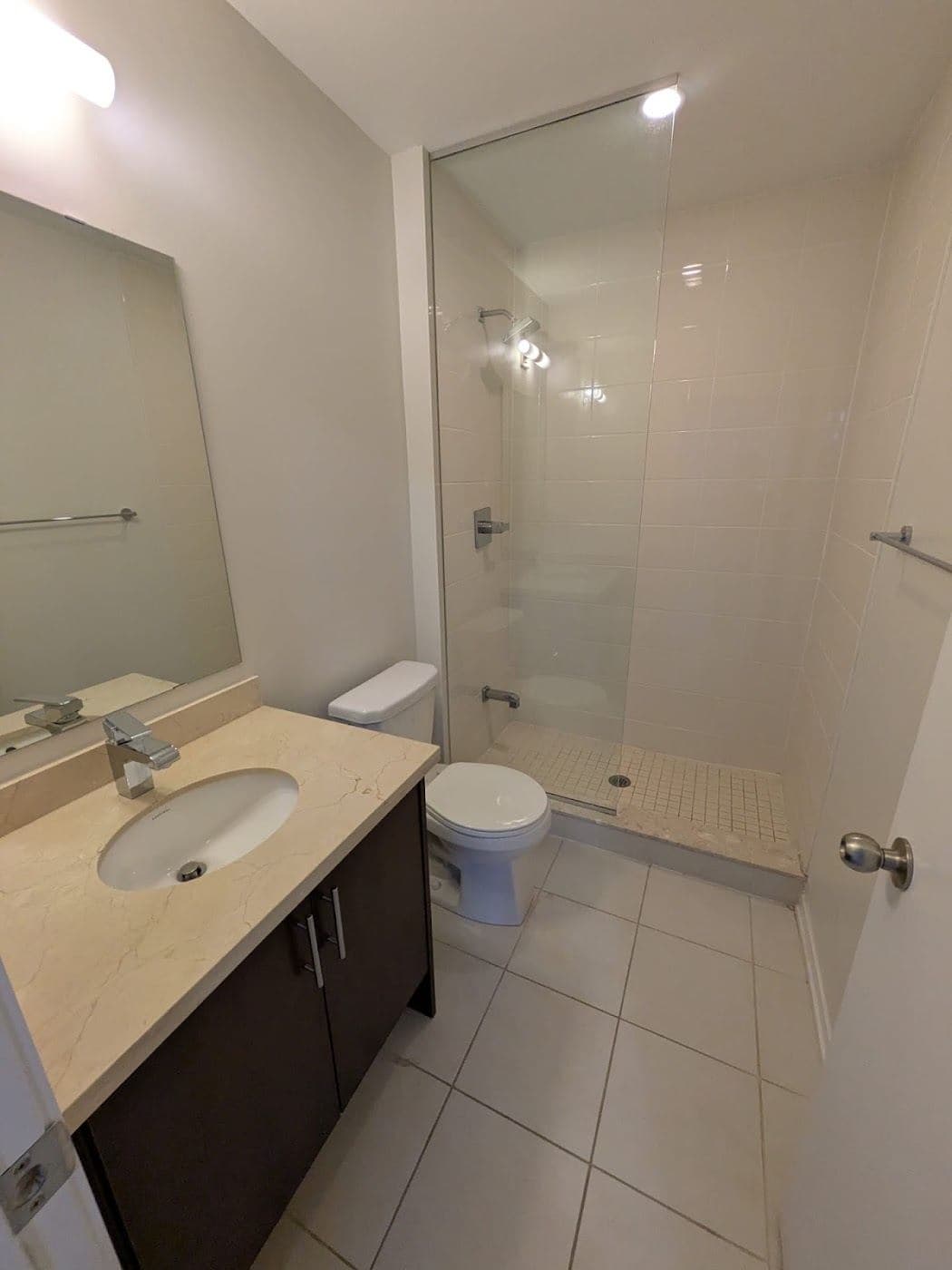
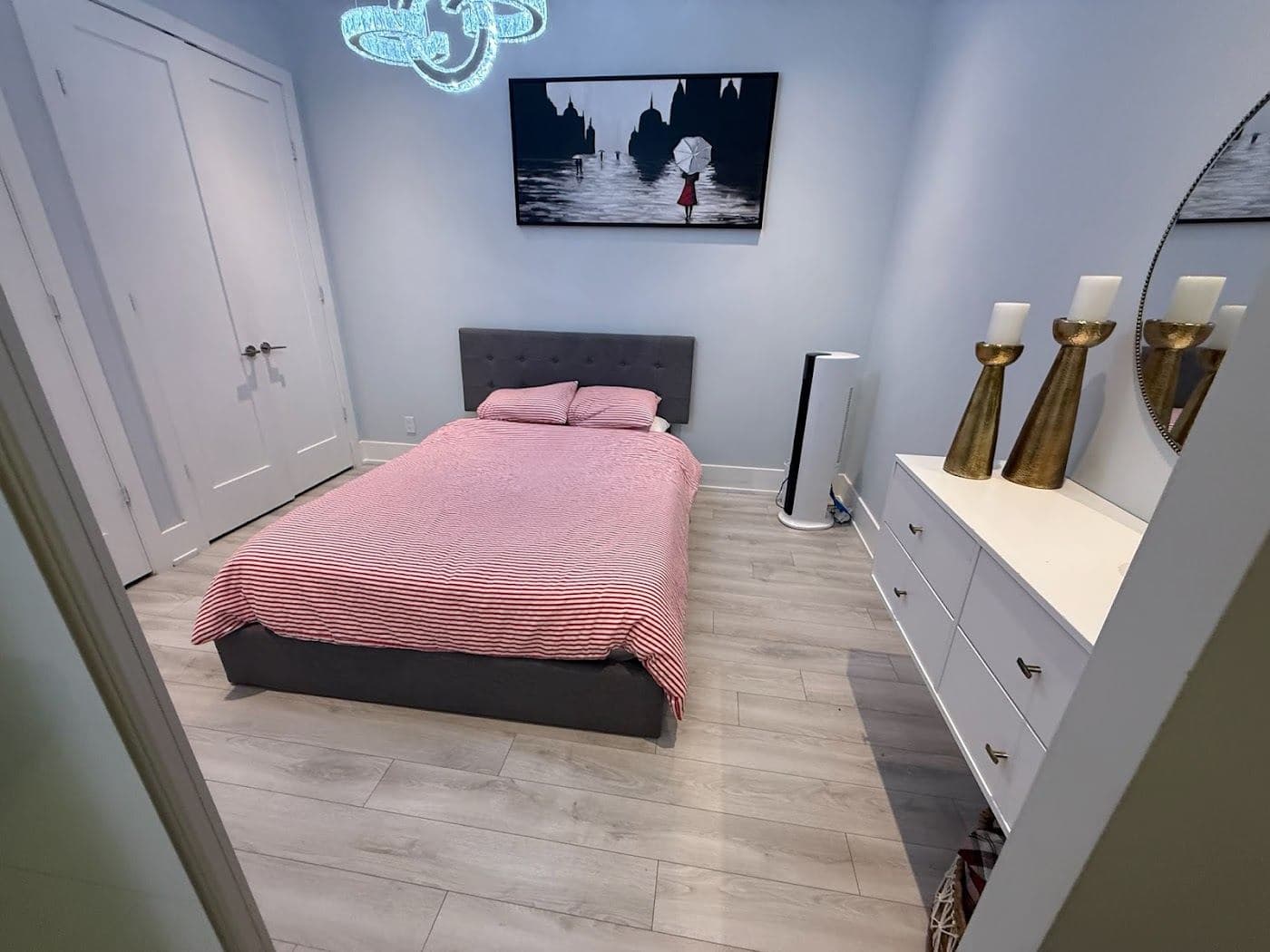
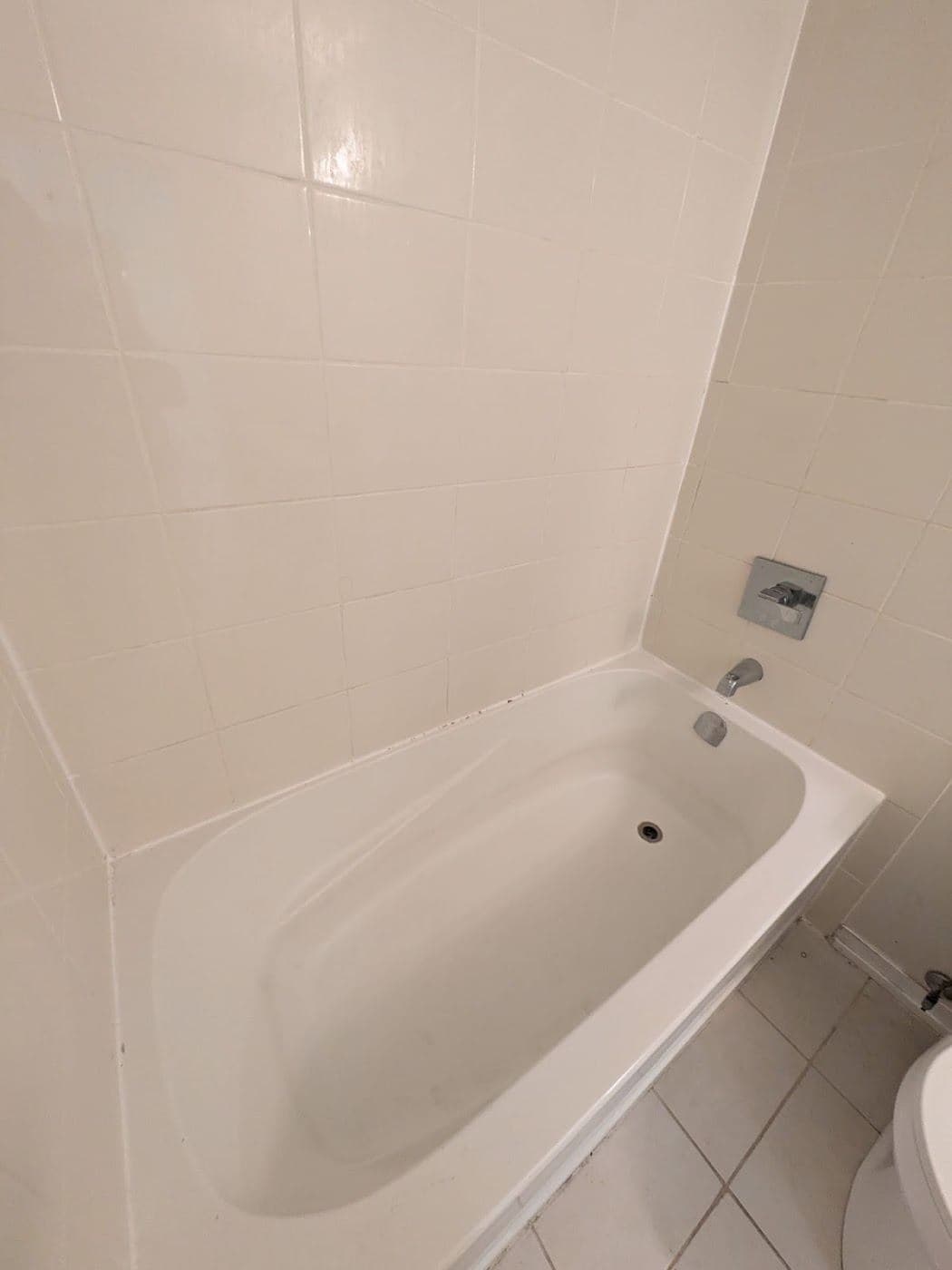
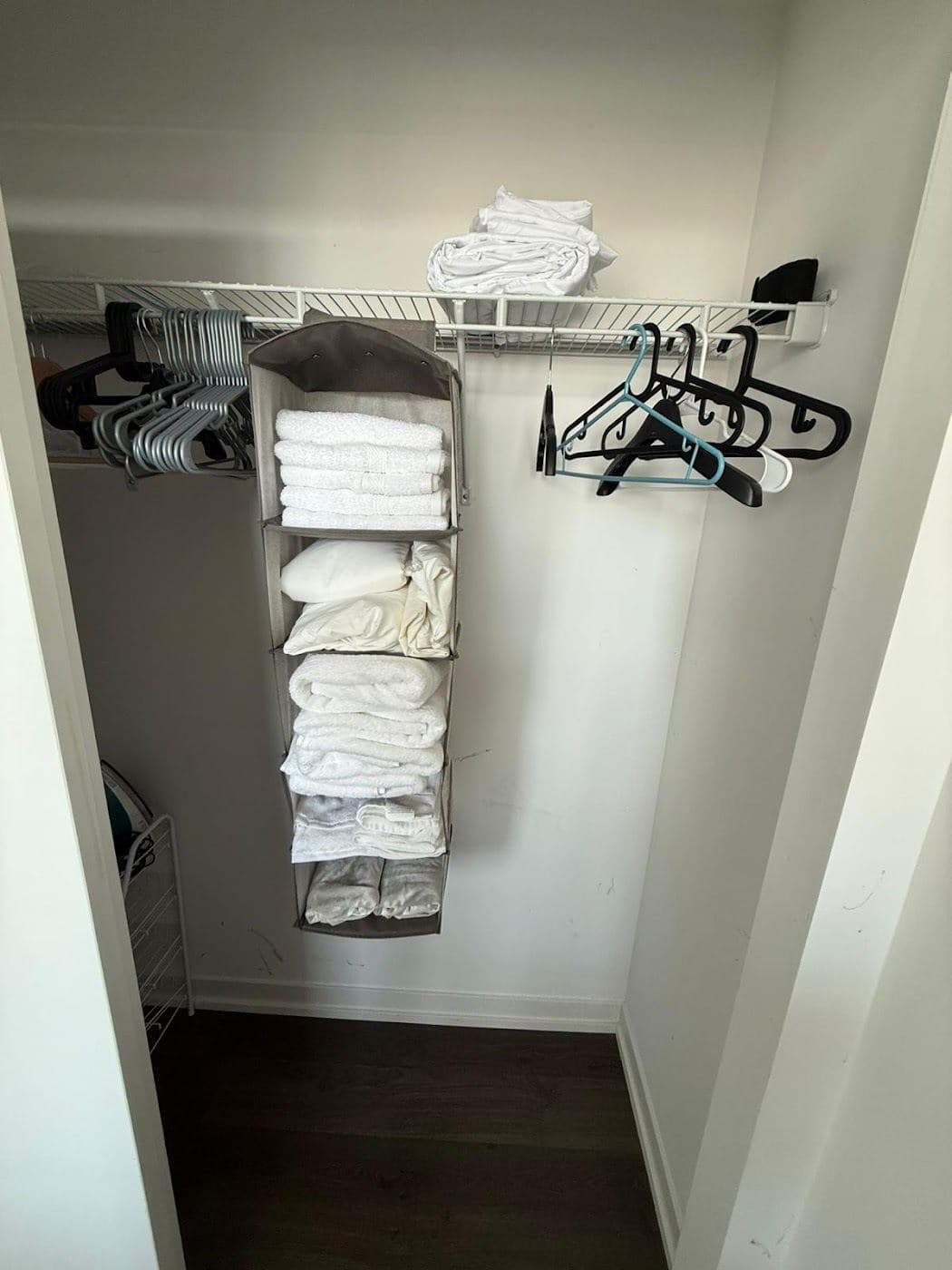
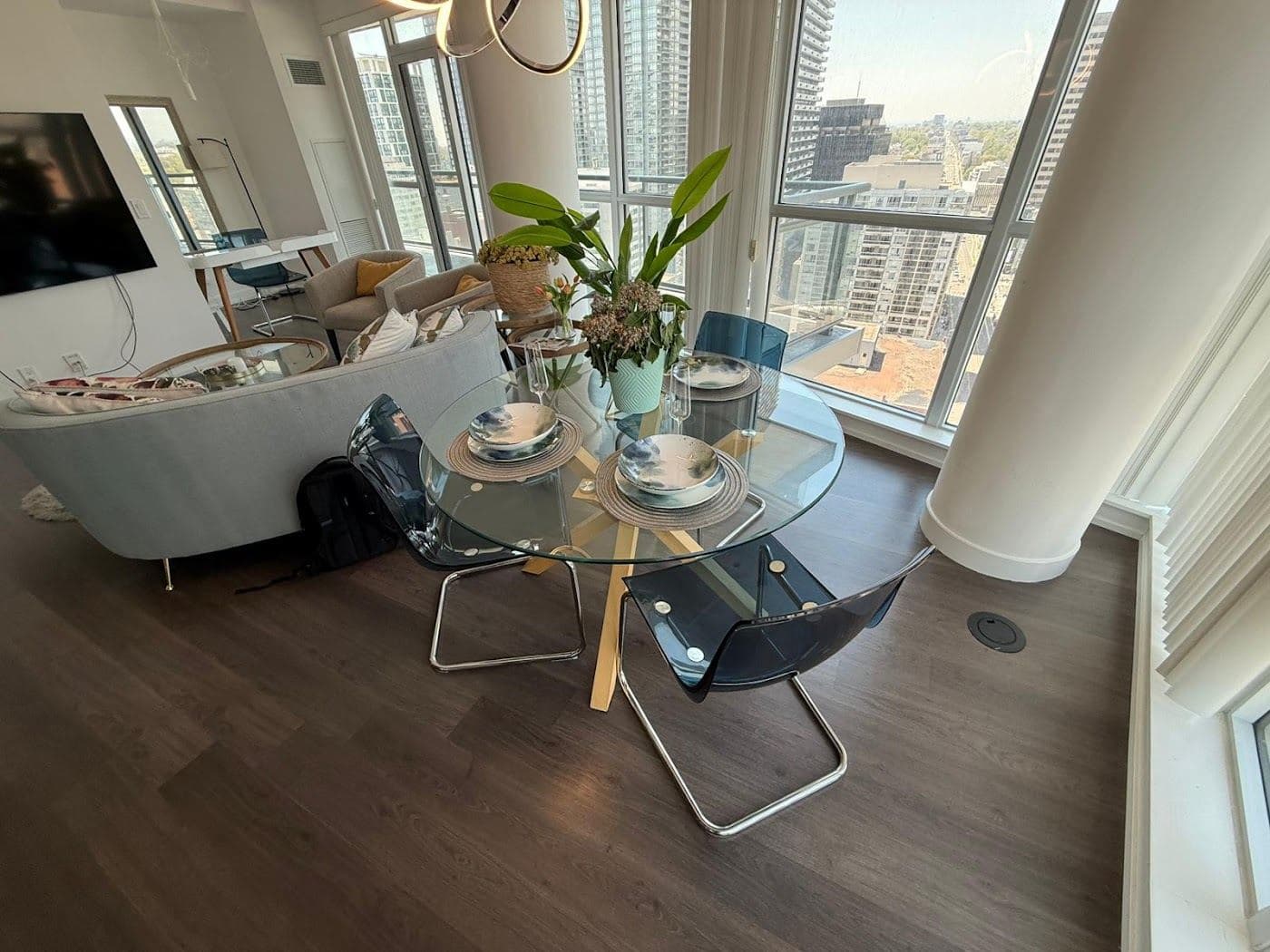
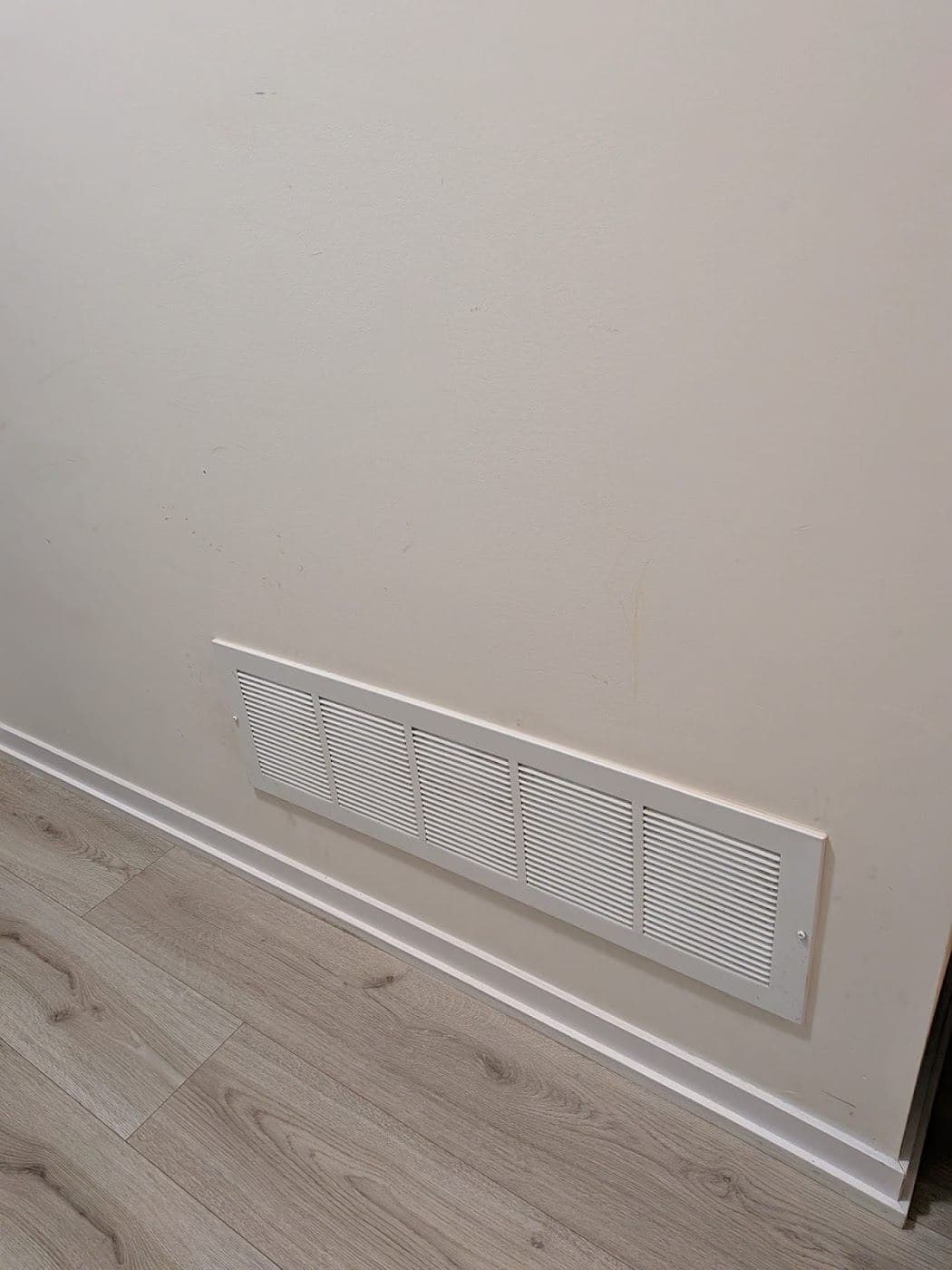
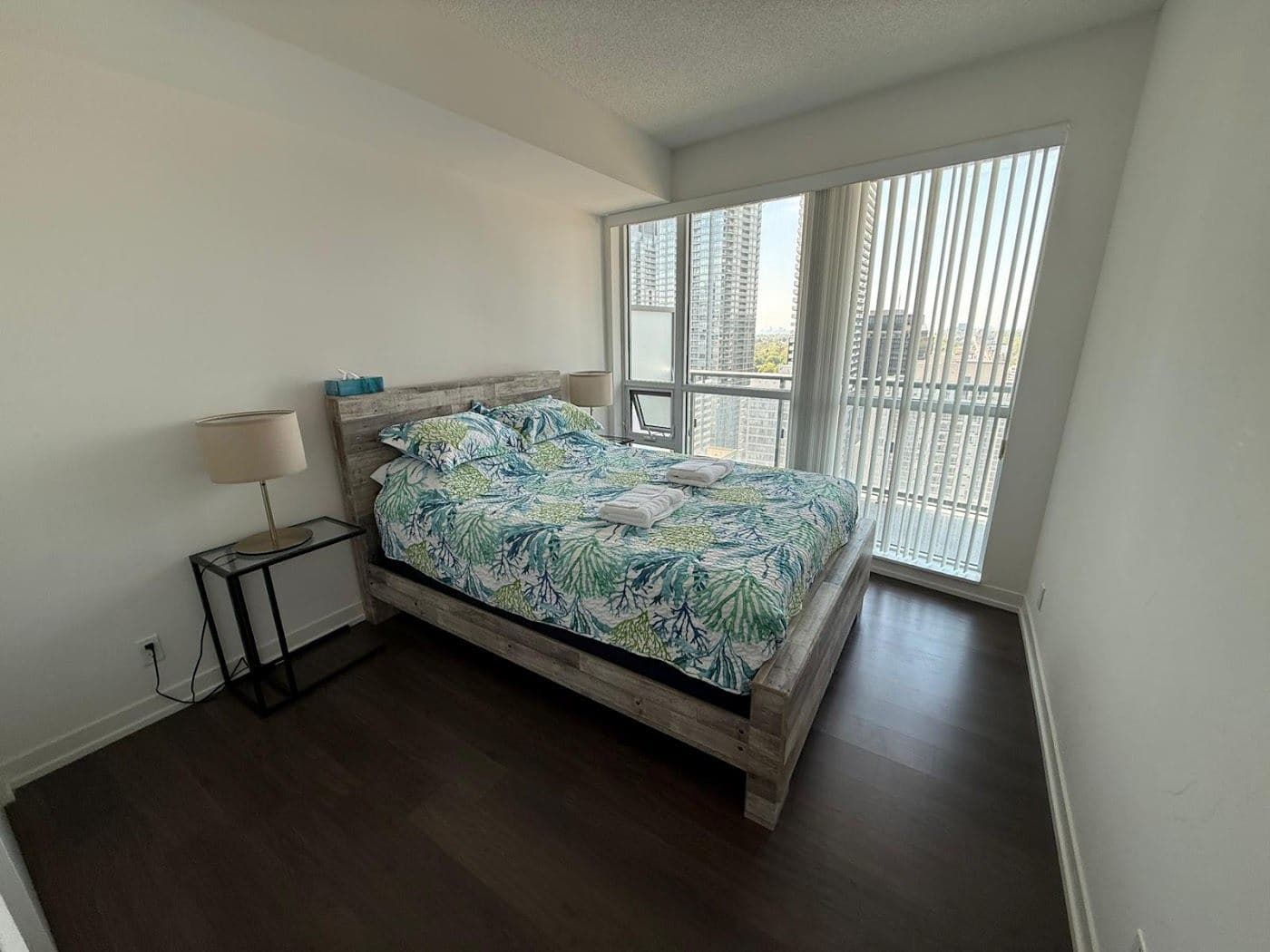
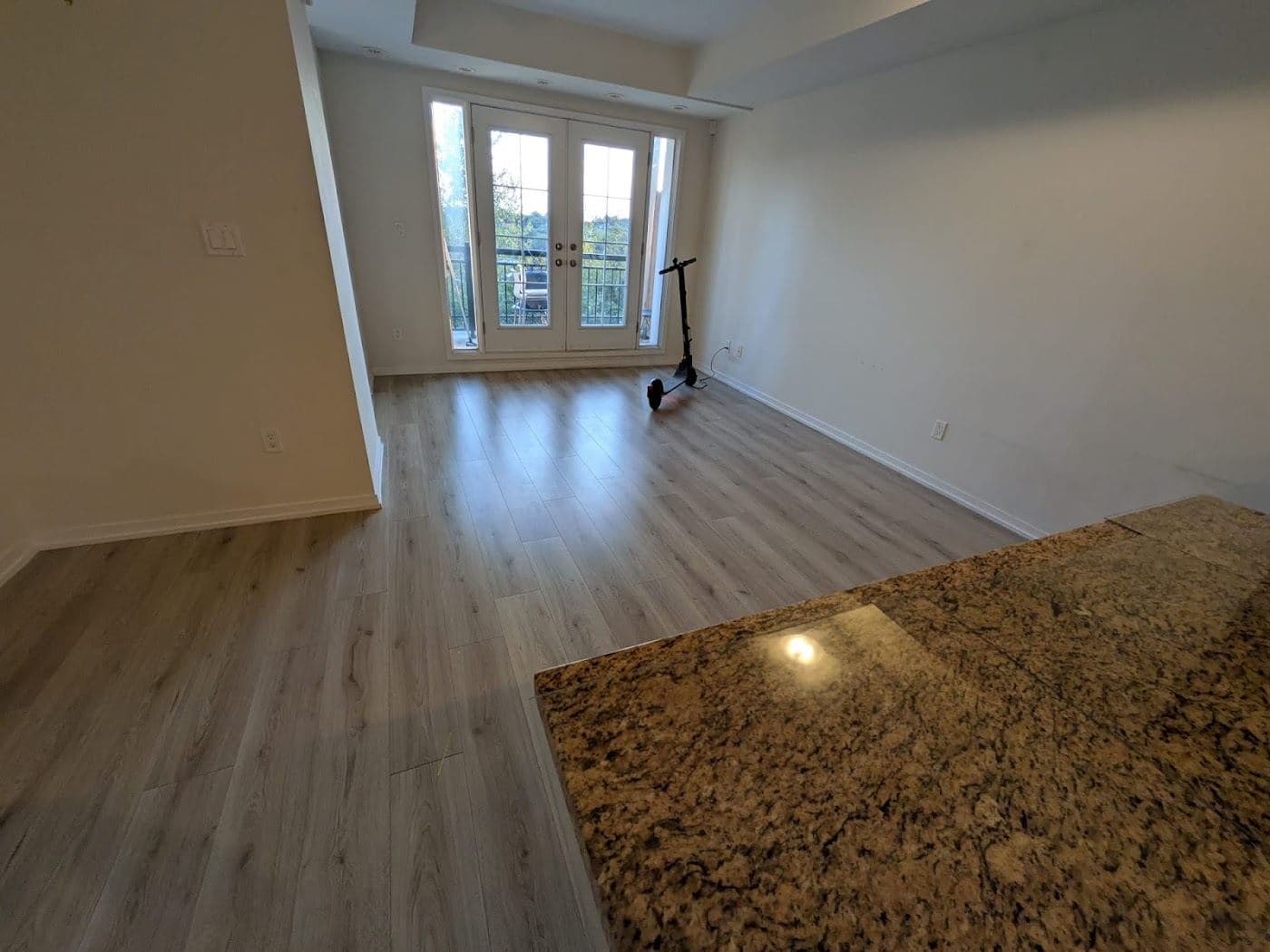
Photographs of work we have done
Choosing a cleaning company in Toronto.
Choosing a cleaning company in Toronto is about trust as much as price. SpotlessCo is based in Vaughan, keeps the scope written down, talks before the visit, and sets expectations you can hold it to.
- A quote that names what is included
- Extras named in the quote
- Scope and schedule settled first
- A plan fitted to your home
Who it is for.
Read this while you are comparing providers. Process, reliability, what happens next.
People deciding between two or three cleaning providers.
Homes that need a defined checklist and clear communication.
Anyone who cares about accountability as much as price.
What you get before the visit.
A quote that says what is included, and what costs extra.
The scheduling, the scope, the expectations. All settled before the visit.
A recommendation that fits the home, instead of a generic package.
How the visit is planned.
Scope first, then the date.
Share the details
Send the home type, the timing, and what you actually need done.
Confirm the scope
Confirm scope, access, quote, priority areas.
Plan the visit
Book the visit with a checklist in hand, and a way to follow up.
Compare the scope before comparing the final number.
Two quotes can describe the same home and cover different work. One is routine kitchens, bathrooms, dusting, floors. The other quietly includes a few detail tasks. Ask each company what is included, what is optional, and whether the number depends on photos or a walkthrough. A comparison built on package names is a comparison of marketing, not of work.
How a company talks to you before the visit is part of the service. Watch what happens when you ask about access, pets, a delicate counter, the real condition of the rooms. Vague answers now become vague work later. Ask who to contact when the scope changes. None of it replaces a written understanding of what will happen in your home. Pick the provider whose plan you can repeat back.
Included work
The room list, the depth of each task, exclusions and optional extras. Same priorities across every quote.
Quote assumptions
Ask what condition and what access the estimate assumes. Ask how much tidying it expects from you.
Communication path
Know where to send an update. Know who answers when the access or the scope changes.
Make sure the proposed visit solves the right problem.
A cleaning company should be able to tell routine care apart from a reset. If the reachable surfaces and busy rooms only need steady attention, house cleaning or recurring cleaning is the fit. If the request is about grease, residue, and baseboards postponed for a year, that is a deep cleaning conversation. Apartment cleaning brings its own planning. A room where the belongings are the obstacle needs organizing before anyone can clean underneath them.
Ask what happens when the wish list is longer than the booked time. A ranked room list protects the kitchen, the bathrooms, and the entry. Ask which tasks need separate agreement too. Interior appliances, difficult windows, and heavy furniture movement are quoted on purpose, and specialty floor or carpet treatment is not offered at all. A company drawing boundaries is giving you the chance to choose before the time is committed.
Routine upkeep
A stable checklist for the rooms and surfaces that show ordinary household use.
Detailed reset
The plan should name the buildup and the access. Deep cleaning is not an undefined upgrade.
Combined needs
Keep organizing, packing, specialty treatment and move work apart when they need different decisions.
Set expectations before anyone enters the home.
Give an accurate profile of the home. Layout, bathrooms, levels, pets. Which rooms matter, and when a comparable clean last happened. For a Toronto condo, add parking, the concierge desk, the buzzer, and how the elevator and keys are handled. Say if a move, an event, or a guest arrival has put a firm deadline on the date. Photographs help where words would take a paragraph.
Then secure the valuables, the medication, the private papers, and anything fragile, and make the agreed surfaces reachable. Do not clean in advance to present a better version of the home. Decide where the pets and the residents will be. Name the product and material restrictions. Write down the two or three outcomes that matter most. If the company arrives to something substantially different from the description, sort it out on the spot.
Accurate condition
Plain description, honest photos. That is how a provider tells maintenance apart from a backlog.
Reliable access
Entry, parking, building rules, pets. And the person who can answer a question during the arrival window.
Written priorities
A short ranked list of essential rooms. Plus anything needing particular care, or leaving out.
Cleaning company questions.
What should a house cleaning quote include?
A quote worth comparing names the rooms, the tasks inside each room, and what is excluded. A number and a duration is not a quote. It should say whether appliance interiors and inside cabinets are in or out, and whether the figure is a starting point or a fixed price, and what would change it.
Is it better to hire a cleaning company or an individual cleaner?
They fail differently. An individual is usually cheaper, but there is no cover when they are ill or stop taking your dates. A company costs more and may rotate staff, so ask whether one team stays with your property. Ask both about insurance and damage.
What should I ask a cleaning company before booking?
What is included. Whether they are insured. How the pricing works, how add-ons are handled, and what happens if the scope changes on the day. That last question decides whether a surprise costs you a conversation or an argument.
Where is SpotlessCo based, and which areas does it cover?
SpotlessCo is based in Vaughan and cleans homes across Toronto, as well as Woodbridge, Concord and the rest of Vaughan. When comparing companies, ask where the cleaners travel from and how arrival windows work. A condo elevator booking or a closing-day deadline leaves little room for a late start.
Is the cheapest cleaner the best value?
Not always. Compare scope, communication, reliability and insurance. And whether the quote reflects the actual home or a form.
Can SpotlessCo recommend the right service?
Yes. The first conversation sorts you into house cleaning, deep cleaning, recurring service, apartment cleaning, or organizing. It is worth ten minutes. The wrong service booked confidently costs more than the right service booked slowly.
Review the process as well as the finished rooms.
After a first visit, compare the result with the checklist you agreed. Did the priority rooms get handled? Were the exclusions respected? Was a limitation raised at the time, or did you find it yourself afterwards? Look at your own description too. Many first-visit mismatches come from a home described more optimistically than it deserved. Useful feedback names the room and the task.
For ongoing service, ask whether the communication and the plan can repeat. The checklist should preserve the essential work while absorbing a season, a guest, or a new pet. Ask how priorities get revised. Ask when a separate deep or organizing project should be scheduled. The best long-term fit is rarely the cheapest number. It is the one whose scope stays legible as your home changes.
Check against scope
Review what was actually agreed. Priorities, exclusions, and the work that was conditional.
Give specific feedback
Name the area and the outcome you expected. That turns a complaint into an adjustment.
Test repeatability
For recurring care, confirm the access, the checklist updates, and the communication can run as a routine.
Ask for a quote.
Property, rooms, date.
Then a real number, not a range.
Send the details and SpotlessCo replies with a quote built from your actual rooms.
Prefer to talk it through? Call (647) 773-6959, or reach us through the contact page.
Tell us what you need cleaned or organized.
Say which rooms matter most.
Scope and price confirmed first.