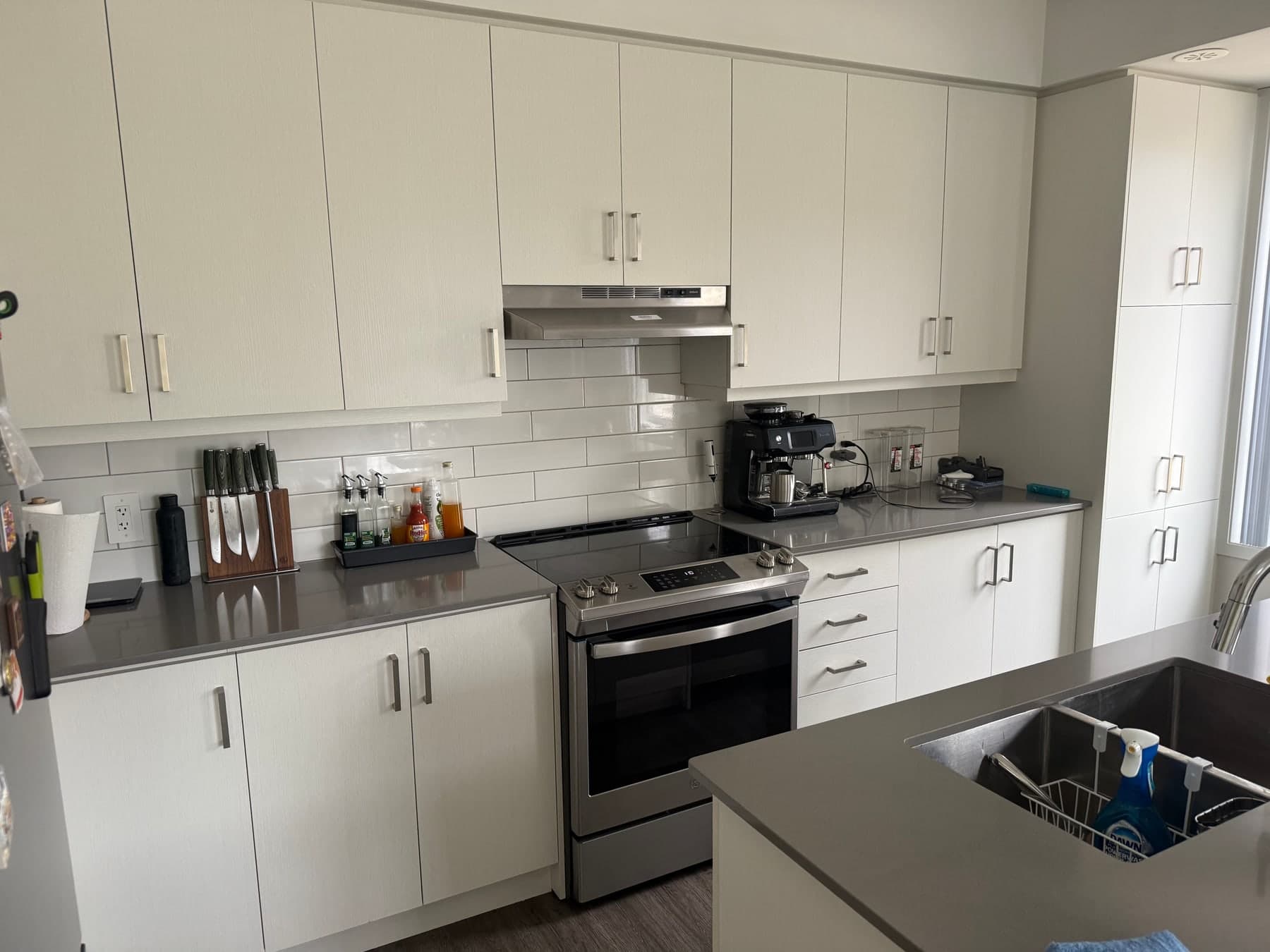
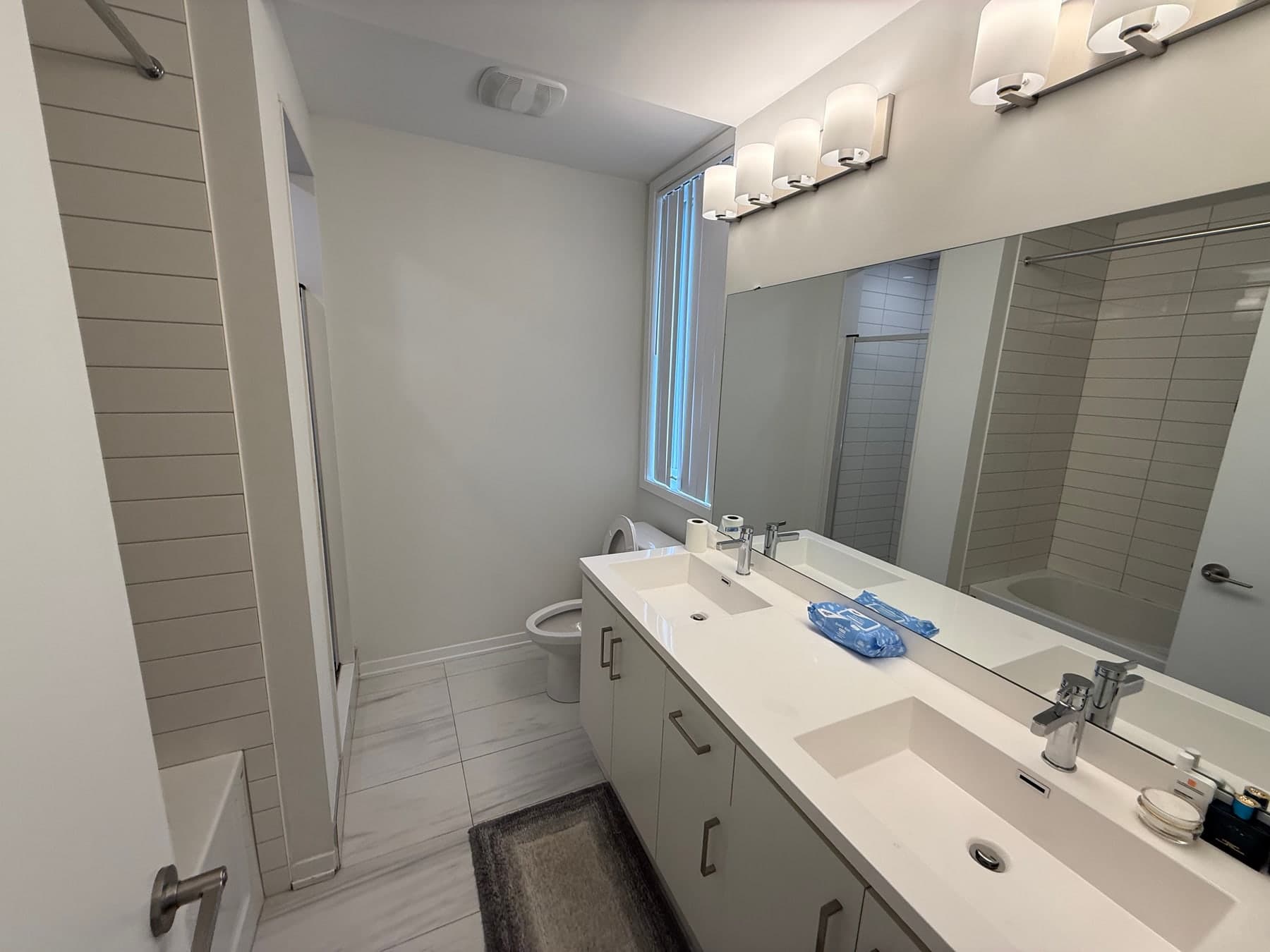
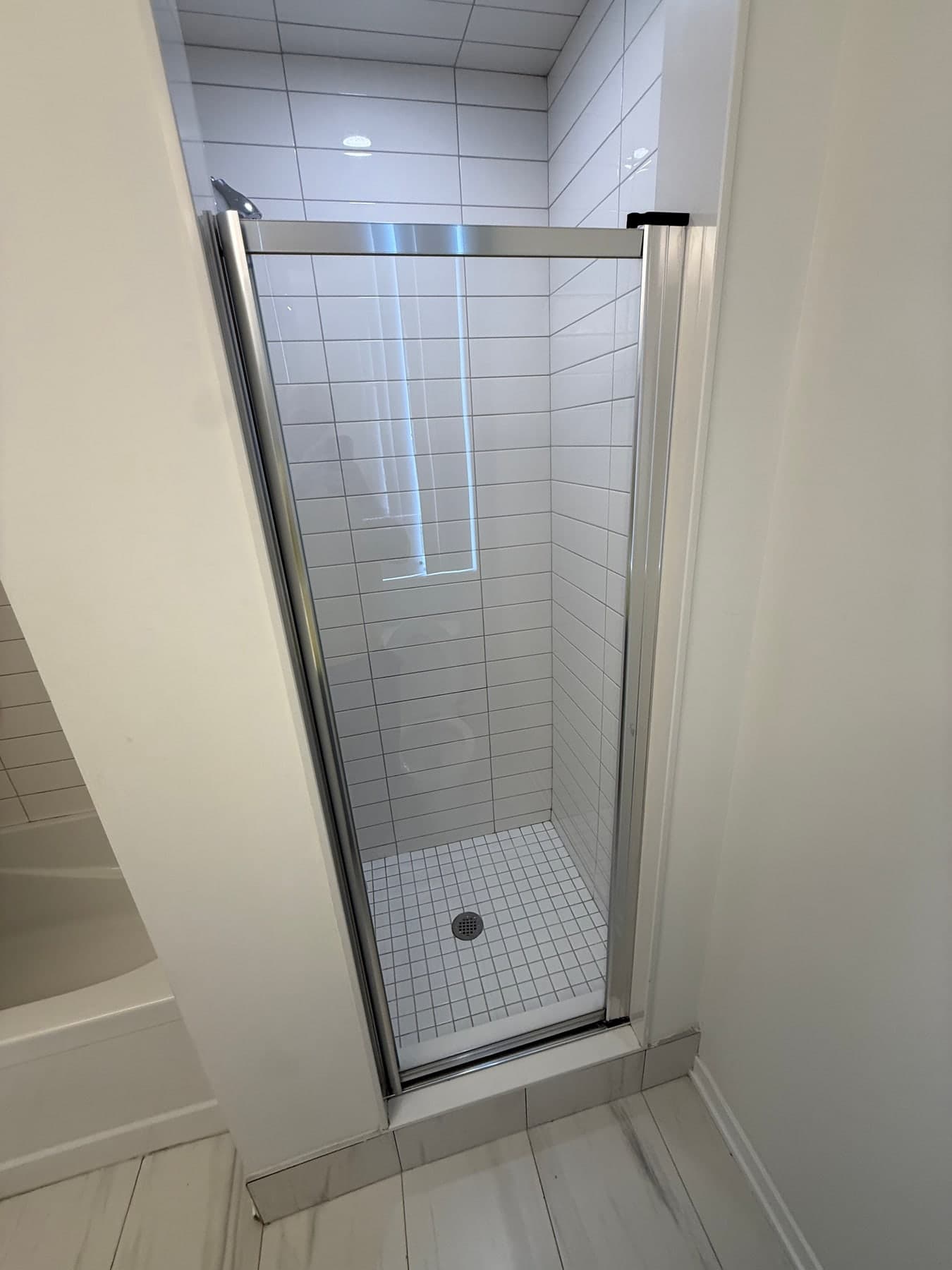
A short-term rental in Toronto starts with registration. The City requires every operator to register before renting, and only a principal residence qualifies. Rent the whole home and you get 180 nights a year. Rent rooms and the nights are unlimited.
This guide walks through what the City's pages say a host has to do. Registration, the residence rule, the night cap, the fee, the tax, and the rules once you are running. Then the part no by-law touches: what happens between guests. Every fact came from the City's short-term rental pages on the publication date. Fees change yearly. Check the current page first.
Who has to register
The City defines the stay. A short-term rental is all or part of a home rented out for less than 28 consecutive days, for payment. Anyone who does that has to register with the City before the first guest. Homeowners and tenants both can, as long as the home is where they live.
The platforms answer to the City too. Toronto licenses short-term rental companies such as Airbnb, and they have to check that a host's registration number is valid. The rules sit in Chapter 547 of the Toronto Municipal Code.
The principal-residence rule
Only your principal residence qualifies: the home where you ordinarily live. A second condo bought to host does not. A basement or laneway suite counts only if it is the place you live.
The City asks for proof when you register. An Ontario driver's licence or photo card, plus two documents such as a utility bill, a lease or a notice of assessment. Keep them current. The registration lasts a year.
Condos and leases
A City registration does not override your building. If the condominium's declaration or rules say no to short-term rentals, the answer is no. Read them before you pay the fee.
Tenants are in the same position with a lease. The City recommends written consent from the landlord. Get it before the first booking, not after a neighbour complains.
Entire home or rooms: the 180-night limit
You choose one of two types when you register. An entire-unit operator can rent the whole home for up to 180 nights per calendar year. A partial-unit operator rents rooms only: up to three, and one fewer than the bedrooms in the home, for an unlimited number of nights.
A partial-unit operator cannot rent the entire home at the same time. So the choice shapes the calendar. A whole-home host who travels for a few months fills the 180 nights. A host who lives there year-round and rents a spare room never runs into a cap.
What registration costs
The City's published fee is $390. It is non-refundable, even if the application is refused, and the City says it is subject to an annual increase. Registration lasts one year, so the renewal is the line that repeats.
Approval is not instant. The City notes it can take more than 30 days and may include an interview. Apply well before the first booking you want to take.
The Municipal Accommodation Tax
Toronto charges a Municipal Accommodation Tax on short-term rental stays. The rate is 6 per cent. A temporary rate of 8.5 per cent ended on August 1, 2026, so older guides may still quote the higher figure.
Airbnb can collect and remit the tax for you, and its help page says it charges the tax on the nightly price and the cleaning fee. If Airbnb collects it, the City says to leave that revenue out of your own report. The City's MAT page has the registration and reporting steps.
Your registration number
The number goes on every listing and every ad, and on invoices and receipts. It has to match the registration exactly. Airbnb asks for it and blocks a Toronto listing without a valid one.
Platforms carry part of the check. The City requires them to verify numbers and cancel bookings for hosts who are not registered. A lapsed registration can empty a calendar fast.
Inspections and the rules once you are running
The City inspects registered short-term rentals, and the operator has to be there for it. Post an exit diagram and the emergency information where guests can see them for the whole stay. You also declare that the home meets the Fire and Building Codes.
The Good Operator Guide the City emails with each registration number lists the rest. Read it once, then keep it with the house manual.
Garbage, recycling and the green bin
Guests need access to garbage, recycling and organics, and the operator answers for how guests put waste out. Put the sorting rules and the collection day in the house manual in plain words.
In a condo, add the chute and the garbage-room rules. Whoever cleans between stays should know them too, because bins and bags are the first job of every turnover.
Fines
Tickets cover operating without a registration, renting a home that is not your principal residence, and advertising without a number. On conviction in court, a fine can reach $100,000, or up to $10,000 for each day a violation continues.
This guide is not legal advice. The City can amend any of the above. Confirm the current by-law text and the current fee before you rely on either.
The deduction depends on the registration
One rule comes from Ottawa, not City Hall. Since the 2024 tax year, the Canada Revenue Agency does not allow expenses for a short-term rental that breaks its municipality's registration or licensing rules. That includes the cleaning bill.
So registration protects more than the listing. The CRA's page on rental expenses you cannot deduct has the detail. Ask an accountant how it applies to your return.
What a Toronto turnover needs
None of the above is about cleaning. All of it decides whether the listing stays live. The turnover decides what the next guest walks into. On a busy weekend the window between checkout and check-in can be a few hours.
Many Toronto listings are condo suites, and a condo turnover runs on the building's rules. Book the service elevator if the building requires it. Leave a fob or a code for the cleaner, not only for the guest. Name the visitor parking, or say there is none.
The order of the clean
Bins out first. Kitchen and bathrooms reset. Dusting and the touchpoints. Beds stripped, laundry started, beds remade with your linens. Floors last. Then the restock and a walkthrough with the guest's eyes. SpotlessCo scopes Airbnb cleaning in Toronto around that window, at the same starting prices as in Vaughan, with a photo checklist after every turnover.
Linens and restocking
Every bed needs at least two full sets, so one can wash while the other is on. Towels the same. Settle who supplies and launders them before the first booking, and who handles the linens walks through the options.
Restocking is the short list guests notice when it is missing. Toilet paper, paper towel, hand soap, dish soap, coffee, and spare bin liners. Keep a locked closet with a month of stock, including the cleaning products, and refill it on the same visit.
Winter stays
From November to March, guests carry salt and slush in. Put a boot tray and a second mat at the door. The entry and the floors take longer, so leave room for it in the window. The winter Airbnb checklist covers the rest of the season.
The short version
Register first. Principal residence only. 180 nights for the whole home, or rooms with no cap. $390 a year. Six per cent tax. The number on every listing. The exit diagram on the wall. The waste rules in the house manual.
Then the turnover. Clean, linens, restock, walkthrough, every time. Start with the City's operators page and the guide it sends. Then book the cleaner. Hosting elsewhere in the GTA? Read the short-term rental rules in Mississauga, the rules in Brampton or the rules in Vaughan.