A GTA winter changes an Airbnb turnover without changing the job. The beds, the bathrooms, the kitchen and the floors are the same. The entry, the laundry, the heat and the house manual are not.
This checklist covers what to set up before the first storm, and what to watch from November to March. It is written for hosts in Vaughan, Thornhill, Richmond Hill, Markham, Toronto, Brampton and Mississauga, where the snow, the salt and the slush arrive together.
The entry takes the first hit
Every guest carries winter in through the front door. Salt, grit and slush land on the first few metres of floor, then travel. Put a boot tray just inside the door and a second mat beyond it, so the mess stops where it starts.
Give wet coats a hook and a spot to drip. In a condo, the hallway is shared, so the mat belongs inside the unit. Expect the entry and the floors to take longer at every turnover, and leave room for it in the window.
Salt marks
White salt rings on floors and mats come back all season. Removing them is a matter of order more than strength, and the salt and grit section of our guide to eco-friendly cleaning walks through it.
Heavier bedding, longer laundry
Cold nights call for a warmer bed. Add a duvet or a heavier blanket, and keep a spare blanket where guests can find it without asking.
Heavier bedding is slower to wash and slower to dry. On a tight turnover that matters, so stock enough sets to remake every bed from the shelf while the used set is in the machine. At least two full sets per bed is the floor. Settle who handles the linens before the busy holiday weeks.
Heat between stays
An empty unit still needs heat. Leave the thermostat on a steady setting between bookings, so pipes stay warm and the next guest walks into a comfortable home. A cold arrival is the first thing a guest remembers.
Write the thermostat instructions into the house manual, with a photo of the control if it is not obvious. If guests can change it, say how to set it back when they leave.
Condensation and damp corners
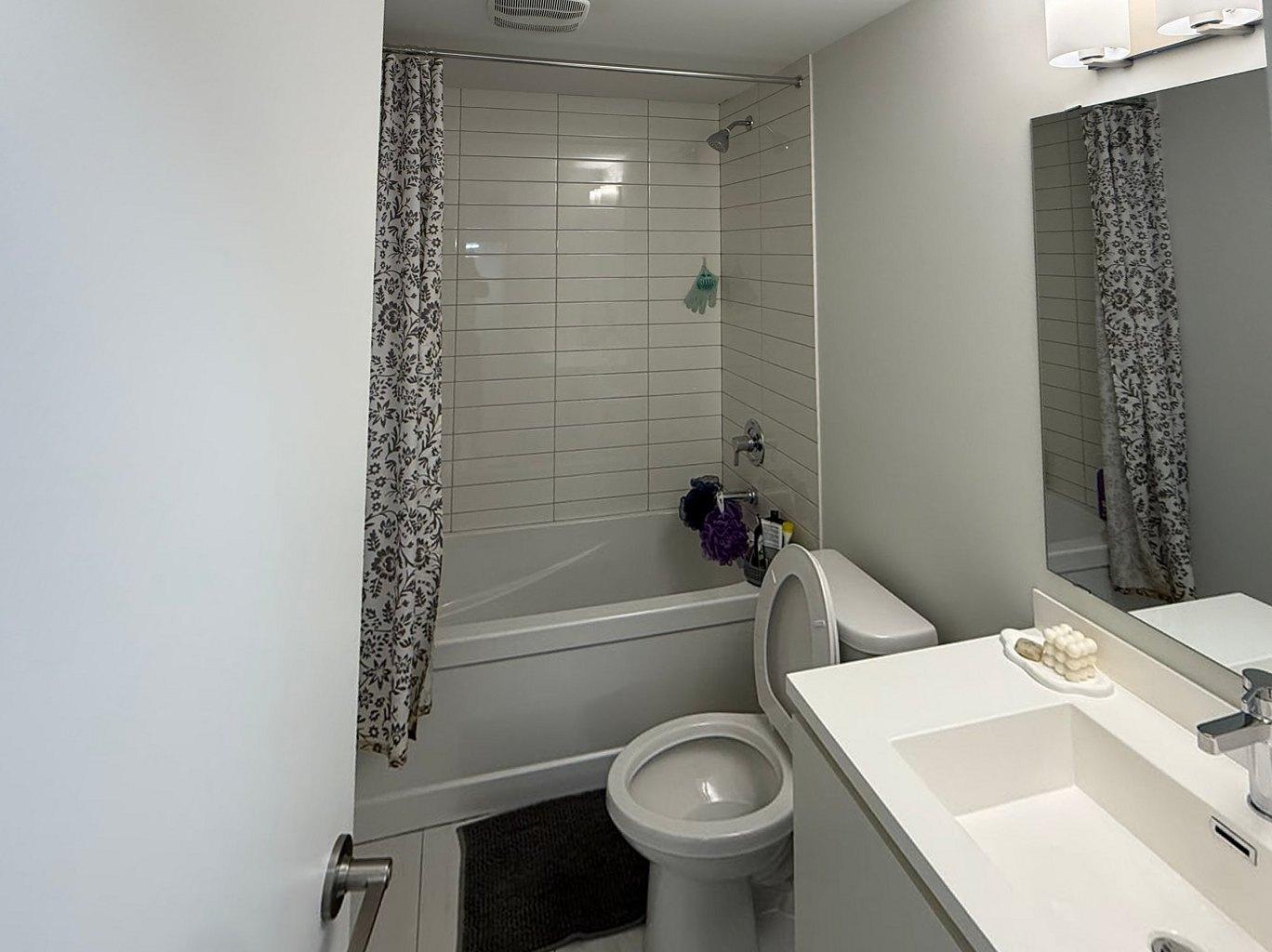
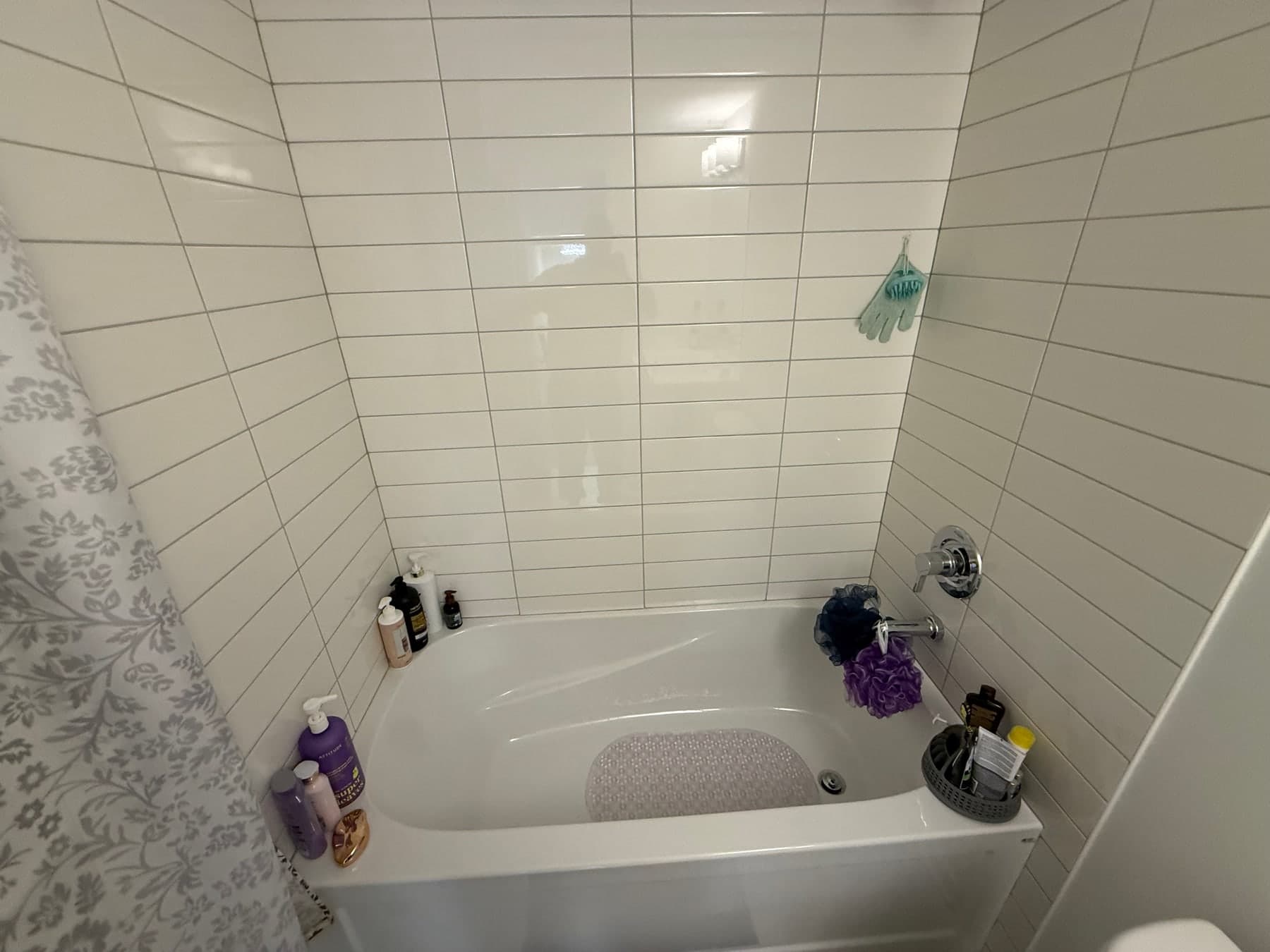
Winter air outside and warm air inside meet at the windows. Expect fogged glass, wet sills and damp corners in bathrooms that see a lot of hot showers. Wipe the sills, run the bathroom fan, and leave it running a while after each turnover.
Watch for dark spots on caulking, sills and ceilings. Anything that looks like damage, or a problem outside a normal turnover, should be photographed and reported, so it is dealt with before it spreads.
Snow and ice at the door
Snow clearing is not cleaning, and it is not part of a turnover. The walk, the steps and the driveway are the host's to arrange, whether that is a neighbour, a snow service or you. Decide it before the first storm, not during it.
Each city sets its own rules for sidewalks and winter parking. In Vaughan, for example, on-street parking needs a permit between 2 a.m. and 6 a.m. Check the rules where your listing sits, and start with our guides to short-term rentals in Toronto, Mississauga, Brampton and Vaughan.
The winter page in the house manual
Guests read the manual when something is unfamiliar, and winter makes more things unfamiliar. Give it one short page.
- Where boots, wet coats and umbrellas go.
- How the thermostat works, and the setting to leave it on.
- The parking rules that apply in winter.
- Who to contact if the walk or the steps are icy.
- How garbage and recycling go out when the bins are in snow.
What stays the same
The turnover itself does not change with the season. Garbage out first. Kitchen and bathrooms reset. Dusting and touchpoints. Beds stripped, laundry started, beds remade with your linens. Floors last. Then the restock and a walkthrough.
SpotlessCo runs that order for Airbnb cleaning in Mississauga, Toronto, Brampton, Vaughan, Thornhill, Richmond Hill and Markham all year. The laundry is done on site with your linens, and you get a photo checklist after every turnover, so winter wear at the entry is something you see, not something a guest reports. On a busy weekend, read how to plan back-to-back bookings.
The short version
Boot tray and a second mat at the door. Warmer bedding, and enough sets for slower laundry. Heat on between stays. Sills wiped and the fan running. Snow clearing arranged before the first storm. A winter page in the house manual.
Then the same turnover as in July, with a little more time for the floors.