Decide what deep cleaning means before starting
Deep cleaning is more detailed than routine upkeep. Where the line sits changes from home to home. So write the rooms and the tasks down first, before anything else: fixtures, baseboards, appliance interiors, grout, window sills, and any furniture that can be moved safely, because a list written before you start is what stops the scope from growing all afternoon.
Mark each task must-do, useful, or optional
Then mark each item. Must-do, useful, or optional. A short priority list finishes faster than a plan that opens every closet and appliance at once, which is the difference between a finished set of rooms and a house that has been half-started everywhere.
Use a room-by-room, top-to-bottom order
Begin with dry work above eye level, then move down through fixtures and surfaces, then trim, then floors, because the dust you disturb overhead has to land somewhere, and you would rather it landed on a floor you have not washed yet. That is the whole logic of top to bottom.
One wet zone at a time
Complete one wet zone at a time. In kitchens and bathrooms, apply a surface-appropriate product according to the label, give it the required contact time, and work on another safe task while it sits, since standing beside a wet counter is the slowest thing you can do in a kitchen.
Caddy, rubbish bag, and relocation bin
Keep supplies in a portable caddy. Carry a bag for rubbish. Carry a bin too. For anything that belongs in another room. Then return those items after the room is clean, in one trip, instead of breaking the workflow every time you find a stray mug or a pair of shoes.
Know when speed should not be the goal
Some tasks deserve caution. Heavy appliances. Ladders. Mould, damaged finishes, sharp renovation debris and unknown chemicals all belong on that list, and the rule for every one of them is the same: skip any task that cannot be completed safely with the tools and the information you actually have.
When professional help makes sense
Professional help may make sense in three situations. The deadline is fixed. The home is too large for the time available. Or specialty work sits outside a normal cleaning checklist.
Questions to ask before booking a deep clean
Ask which rooms and detail tasks are included. Ask how many people are expected. Ask which supplies are provided. And ask whether appliances, upholstery, windows, or heavy-item moving require separate work, since that answer decides if your checklist and the written scope describe the same visit.
Share the condition of the home
Share the condition. Stairs, parking, elevator rules. Pets, delicate finishes, and the deadline. A useful quote should answer the home you actually have, not an idealized checklist, which is why the awkward details are worth writing down before anyone quotes the job.
How SpotlessCo can help
SpotlessCo provides deep cleaning, house cleaning, recurring cleaning, and professional organizing in Vaughan, Toronto, and across the GTA, and scheduling is confirmed before booking, not assumed on the day.
What to send with a quote request
Send the home details, deadline and priority rooms with the quote request, and if clutter is what blocks the cleaning, say so, because that decides whether organizing also needs to be scoped.
Prepare the tools and staging area first
Gather only what the chosen rooms need. Read the product labels. Confirm each product suits the surface. Keep clean cloths separate from used ones. A small staging area saves repeated trips through the home, and it makes it obvious when a cloth needs rinsing or a bottle needs replacing, which is the kind of thing nobody notices while walking back and forth to the kitchen sink.
Three destinations for what interrupts you
Set up three destinations. For the things that interrupt cleaning. Rubbish or recycling. Laundry. Belongings that live in another room. Finish the active room, and do not stop to reorganize a destination while you are carrying something to it, then return the relocation bin in one pass, because that single habit is what keeps a deep clean from splitting into several unfinished organizing projects.
Use a practical order for kitchens and bathrooms
Kitchen sequence
Begin above the main work surfaces. Reachable fixtures, cabinet fronts, ledges. Then backsplash and counters, then sink and appliance exteriors. If an appliance interior is part of the plan, treat it as a separate task, and do not open several appliances at the same time, because the room stops being workable when three doors are hanging open at once. Finish with lower cabinet fronts, then baseboards and floors. Crumbs and dust from above get collected last.
Bathroom sequence
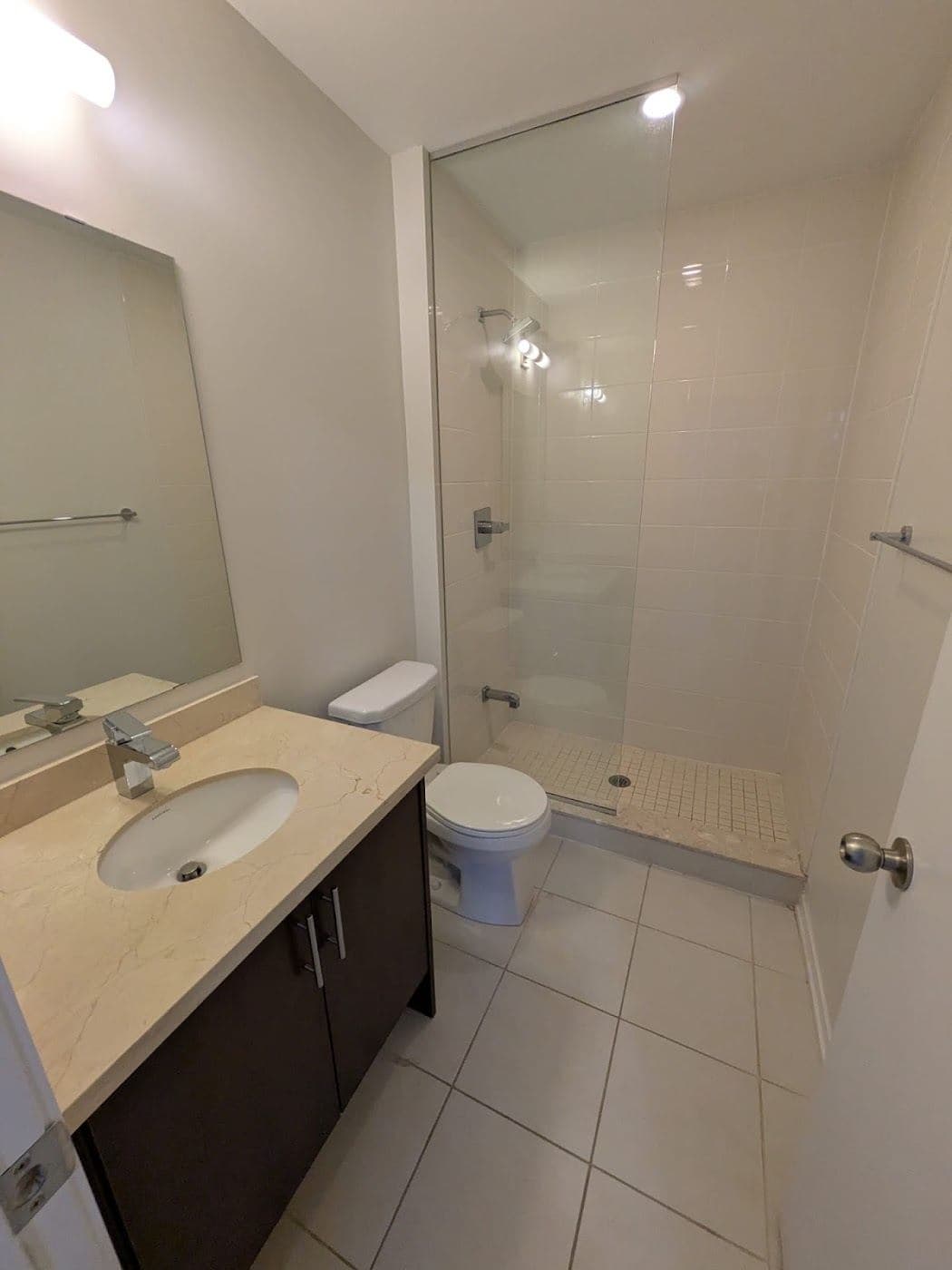
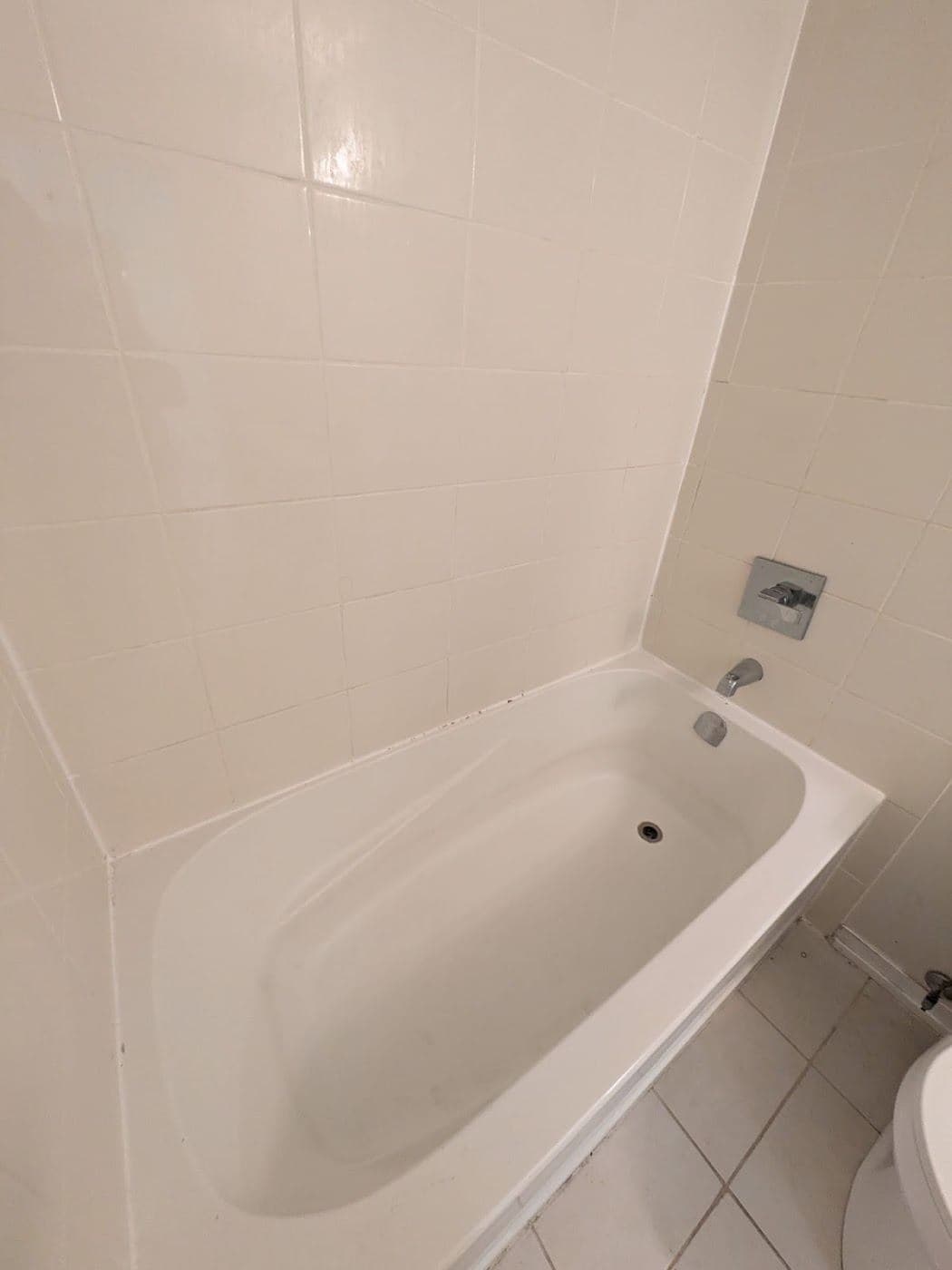
Remove the loose personal items. Dust the dry areas. Apply suitable products according to their instructions. While a product is taking its required contact time, work on the mirrors or another compatible task, instead of wiping it away the moment it lands, then move through fixtures, counters, tub or shower surfaces, toilet exterior, then trim and floor. Use separate cloths or tools where cross-contamination matters.
Give living areas and bedrooms a clear finish line
In living areas, dust reachable high points first. Then the furniture. Then vacuum upholstery, then edges, then floors. Move only furniture you can handle safely, put it back once the floor underneath is done, and limit decorative-item cleaning to the agreed priority, because lifting a large collection one object at a time will quietly eat the hour you meant to spend on the rest of the room.
Bedrooms need the scope decided up front
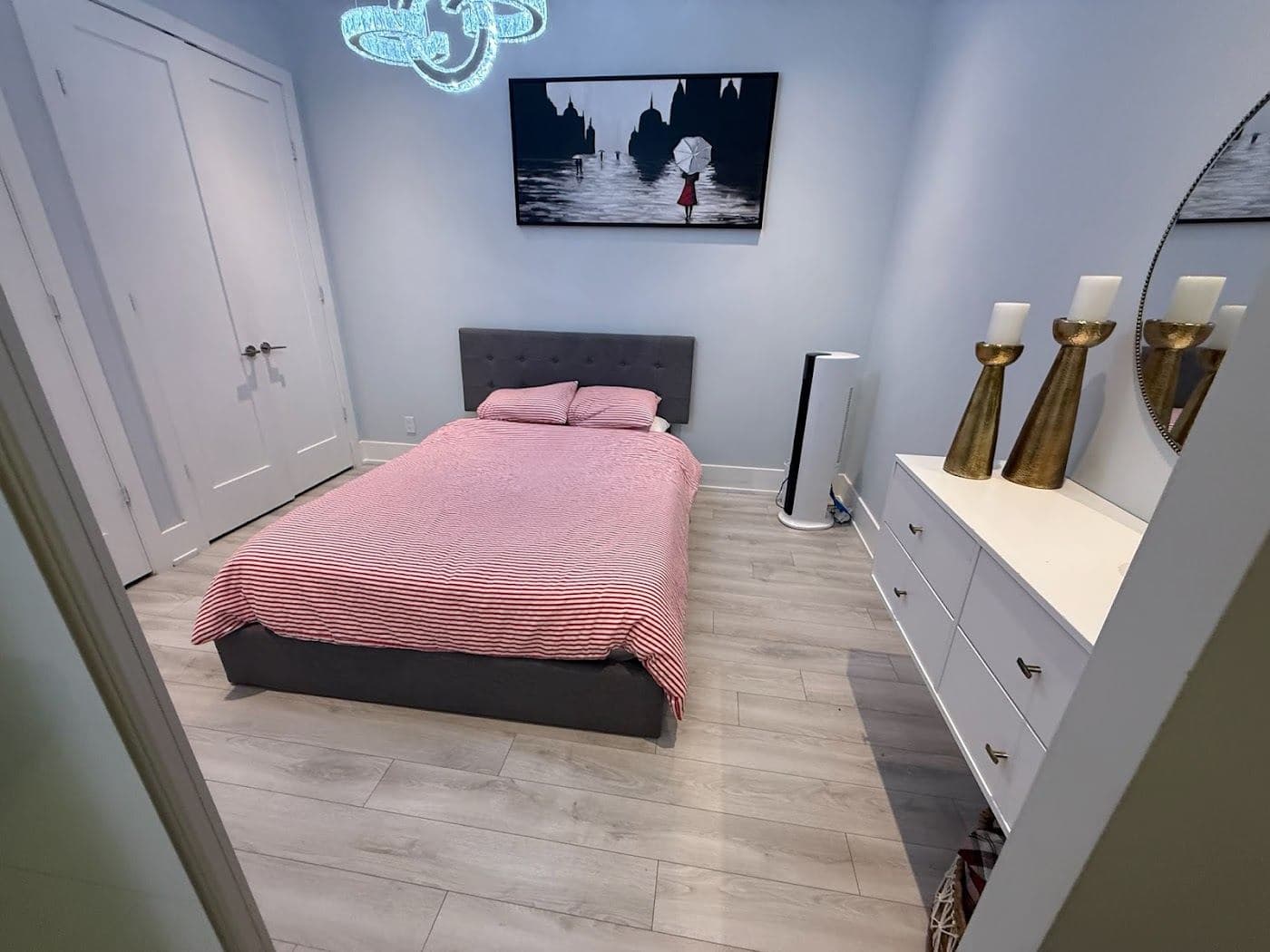
In bedrooms, decide up front. Are linen changes included? Under-bed access? Closet floors? Interior drawers? Clothes and personal items should land in a temporary destination, because carrying them from the bed to the chair and back to the bed is not cleaning, and it is where an hour goes missing in a bedroom. If sorting those belongings is the real obstacle, pause the cleaning scope and plan a separate organizing session.
Work in timed blocks without racing the surface
Assign a block of time to a room. Or to a group of tasks. Then stop and look at the progress. If the room is running long, cut optional work. Do not move faster with products or ladders. Or with sharp tools and heavy items. A checkpoint protects the priority list, and it is what makes it possible to finish the rooms that matter before your energy drops, which is a real constraint once the afternoon runs long.
Ventilation, hydration, and drying time
Build in ventilation, hydration, tool rinsing and floor-drying time. These pauses are part of the work. They are not evidence that the plan failed. For more technique-focused ideas, pair this sequence with the five deep cleaning tips and choose only the methods that suit the surfaces in your home.
Create a lighter maintenance plan afterward
Write down what slowed you most. And what created the buildup in the first place. Small recurring actions can extend the result: wiping spills, keeping counters accessible, managing entry grit, addressing bathroom moisture. The goal is not to repeat the entire deep clean every week, but to keep routine tasks from becoming detail projects again, and that is a far smaller commitment than a second full reset.
When ongoing help is the better answer
Some homes need ongoing help. If yours does, set the finished deep-clean checklist beside a recurring cleaning plan. Then choose the repeat frequency. Watch what returns between visits. A realistic maintenance scope should protect the baseline, and it should do that without turning every future appointment into another full reset of the whole home, which is the outcome nobody wants to book twice.
Know what to stop when the deadline arrives
Set a final review time. Before the actual deadline, not at it. Use it to put products away, empty the collection bins, rinse tools, remove rubbish, and check that wet floors and surfaces have time to dry safely before anyone walks across them. A room that is cleaned and reset beats one more detail task that leaves supplies and displaced belongings scattered across the home at the end of the day.
Move unfinished work to a follow-up list
Move unfinished optional work onto a written follow-up list. Do not rush it. Include the room. Include the exact task. Include any tool or product still needed. That turns leftover work into a future plan, and it makes it easier to decide whether to carry on alone or fold those details into a professional quote request.
A final walk from the entrance
Take a final walk from the entrance. Through the rooms you finished. Return moved items. Check that taps and appliances are off. Leave the pathways clear. That closing pass protects the work already done, and it is usually how you find the cloth left on a window sill or the bottle left under a sink.
To deep clean a house faster, reduce the active scope. Finish rooms in a consistent order. Protect time for the tasks that genuinely need detail. Speed should come from planning. Not from skipped safety or overpromised timing.